Stand next to Union Pacific’s “Big Boy” No. 4018 and the scale of the thing rearranges your sense of what a machine can be. It is roughly 1.2 million pounds of riveted steel, and in Frisco it sits in the open air beside another giant, close enough that you can walk the gap between two different eras of American railroading in about ten seconds.
The Museum American Railroad Frisco is a two-part experience: an indoor model-train exhibit called TrainTopia inside the Frisco Discovery Center, and a guided outdoor walking tour of one of the largest historic rolling-stock collections in the country. Adult tickets run around $12 for either, or roughly $18 for the combo (2026 — check current). It’s one of the more underrated stops among Frisco’s museums and cultural history, and if you like big iron and real stories, it’s worth planning around.
I’ve sent train-obsessed nephews, skeptical spouses, and a few out-of-town history buffs here, and the reaction is almost always the same: they show up expecting a small-town train display and leave a little stunned at what’s actually parked on those tracks. Let me walk you through what to see, what to book, and how to time a visit so you get the most out of it.
Museum American Railroad Frisco at a glance
Here’s the quick version before we get into the details. The museum runs two separate programs with two separate schedules, so the table below matters more than usual — you can visit TrainTopia any open day, but the outdoor rolling-stock tour only runs at set times.
| Detail | What to know (2026 — verify before you go) |
|---|---|
| Location | 8004 N. Dallas Pkwy, Suite 400, Frisco, TX 75034 (inside the Frisco Discovery Center) |
| TrainTopia hours | Tuesday–Saturday 10 a.m.–5 p.m.; Sunday 1 p.m.–5 p.m. |
| Walking tour times | Wednesday–Saturday at 11 a.m. and 1 p.m. (no Sunday tours) |
| Admission | TrainTopia or tour only: around $12 adults / $6 kids (3–12). Combo: around $18 adults / $10–12 kids. Under 3 free. |
| Tour length | Roughly 1 hour, up to a mile of walking, best for ages 8 and up |
| Best for | Rail fans, history buffs, grandparents-with-grandkids, rainy-day plans (TrainTopia) |
| Phone | (214) 428-0101 |
Two quick planning notes. First, the outdoor collection sits on an active construction site as the museum builds out its permanent Frisco home, so you cannot wander the railyard on your own — access is by guided tour only. Second, TrainTopia is fully indoor and air-conditioned, which makes it the safer bet on a 105-degree July afternoon. More on both below.
The rolling-stock collection: why the walking tour is the main event
If you only do one thing here, make it the outdoor walking tour. This is where the museum earns its reputation. More than 70 pieces of steam, diesel, passenger, and freight equipment sit on the grounds, and a museum historian walks you through a hand-picked selection with the kind of context you’d never get from a plaque.
Big Boy 4018 and Centennial 6913, side by side
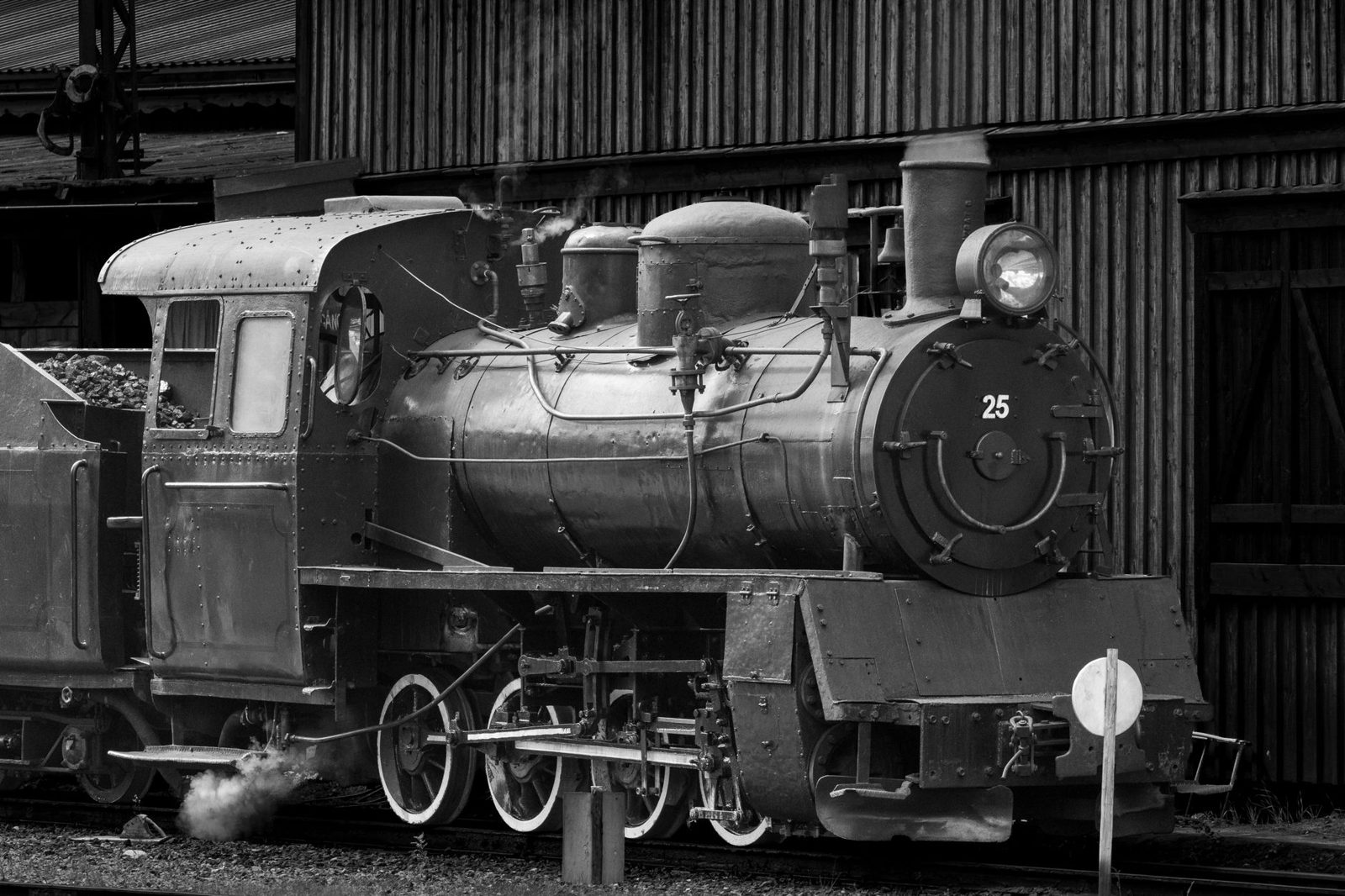
The headliner is Union Pacific “Big Boy” No. 4018, an articulated 4-8-8-4 steam locomotive built by ALCO in December 1941. These were among the largest steam locomotives ever built, hauling wartime freight over the mountains of the West. Parked right beside it is Union Pacific “Centennial” No. 6913, a 99-foot DDA40X diesel-electric from 1969 — the largest single-unit diesel locomotive ever produced.
Here’s the detail that rail people travel for: Frisco is the only place in the country where you can see a Big Boy and a Centennial displayed together. Standing between them, you’re looking at nearly fifty years of high-horsepower railroading along the nation’s original transcontinental route, and the size comparison alone is worth the ticket. Photos don’t do it justice. You have to be standing in the shadow of the thing.
The Frisco connection you’ll actually appreciate
The collection also includes St. Louis–San Francisco Railway No. 4501, a 4-8-4 built in 1942. That railroad — nicknamed the “Frisco” — is literally why this town is called Frisco. The rail line came through, a depot went up, and a community grew around it. Seeing a genuine “Frisco” locomotive in the city that took its name from the railroad is a small, satisfying full-circle moment, and it ties directly into the story you’ll find over in Frisco’s historic Rail District downtown.
Diesels, electrics, and passenger cars
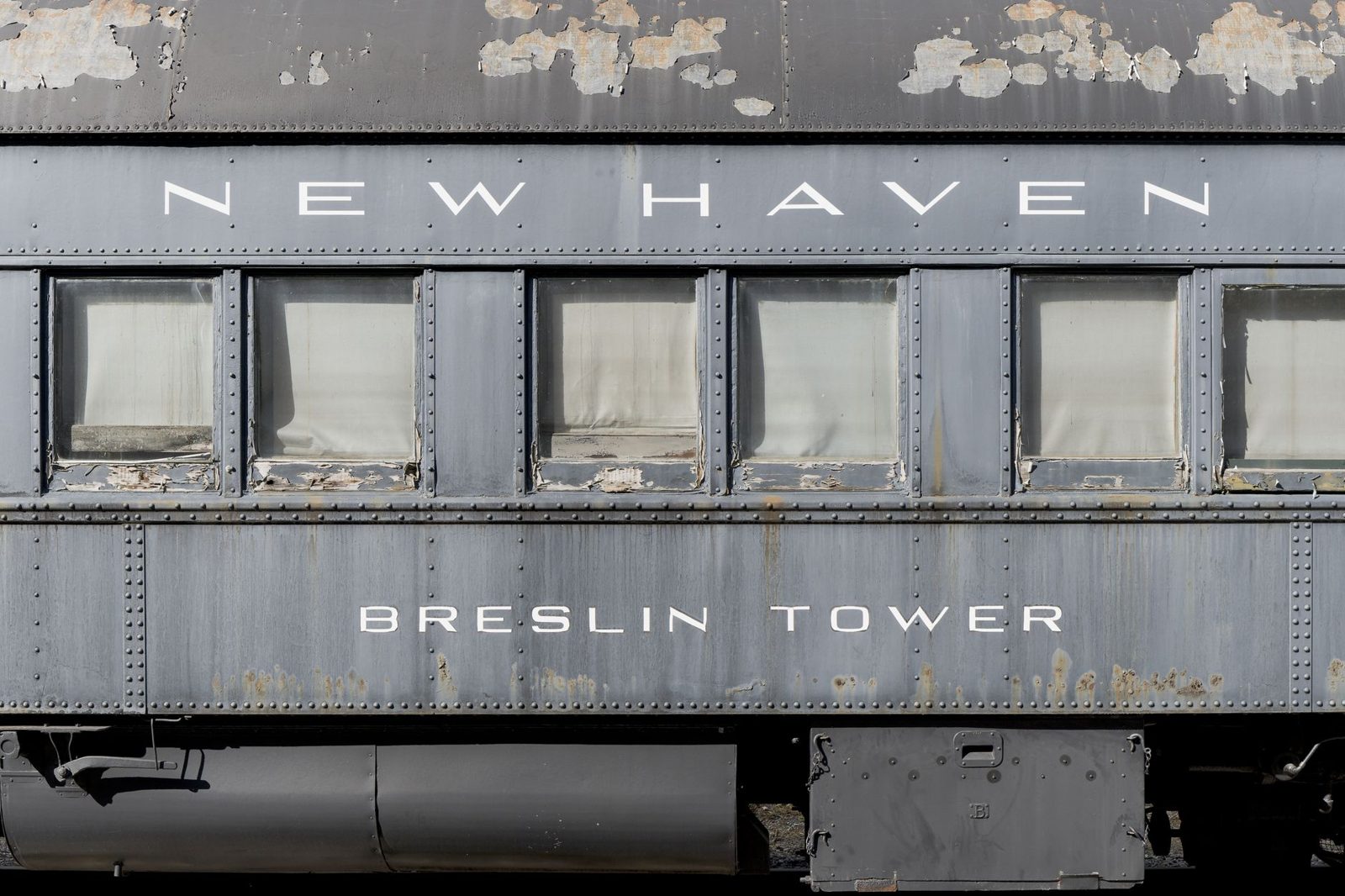
Beyond the two giants, the roster reads like a survey of 20th-century American rail. There’s a Pennsylvania Railroad GG1 electric, No. 4903, a sleek Art Deco workhorse from 1943 that once raced up and down the Northeast Corridor. There’s Santa Fe 97, an EMD FP45 from 1967 in that unmistakable warbonnet paint. Add passenger coaches, freight cars, cabooses, and pieces of Pullman heritage, and you get a walk through how people and goods moved across this country for a century.
The guides are the difference-maker. On a good tour, you’ll hear who built each machine, what it hauled, how it ended up in Frisco, and the occasional anecdote that makes a 300-ton locomotive feel like a character. If you’ve ever done one of the tours at the Frisco Heritage Museum, this has a similar spirit — real local history, told by people who care about it — just at a dramatically bigger scale.
TrainTopia: the indoor model exhibit
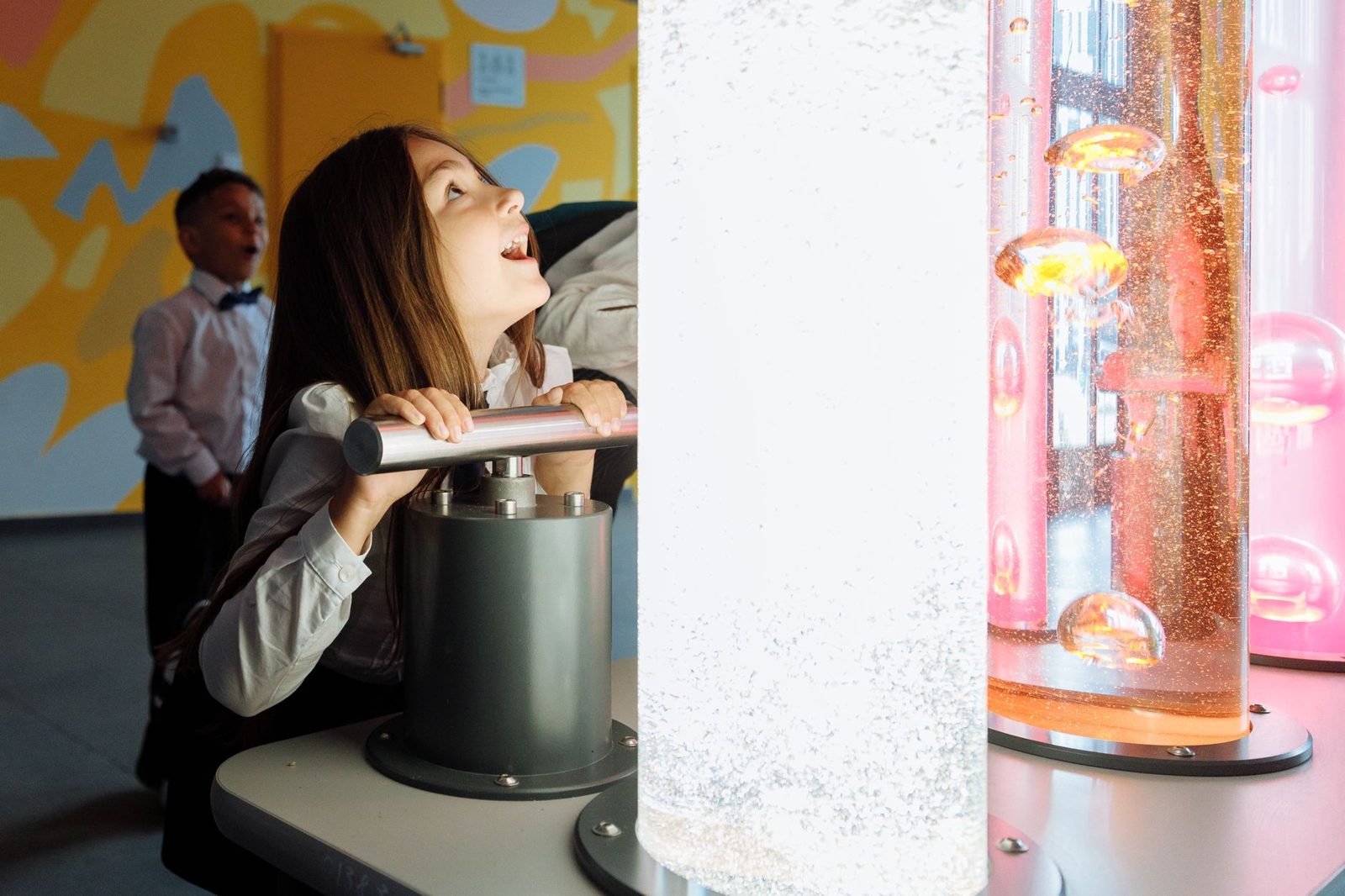
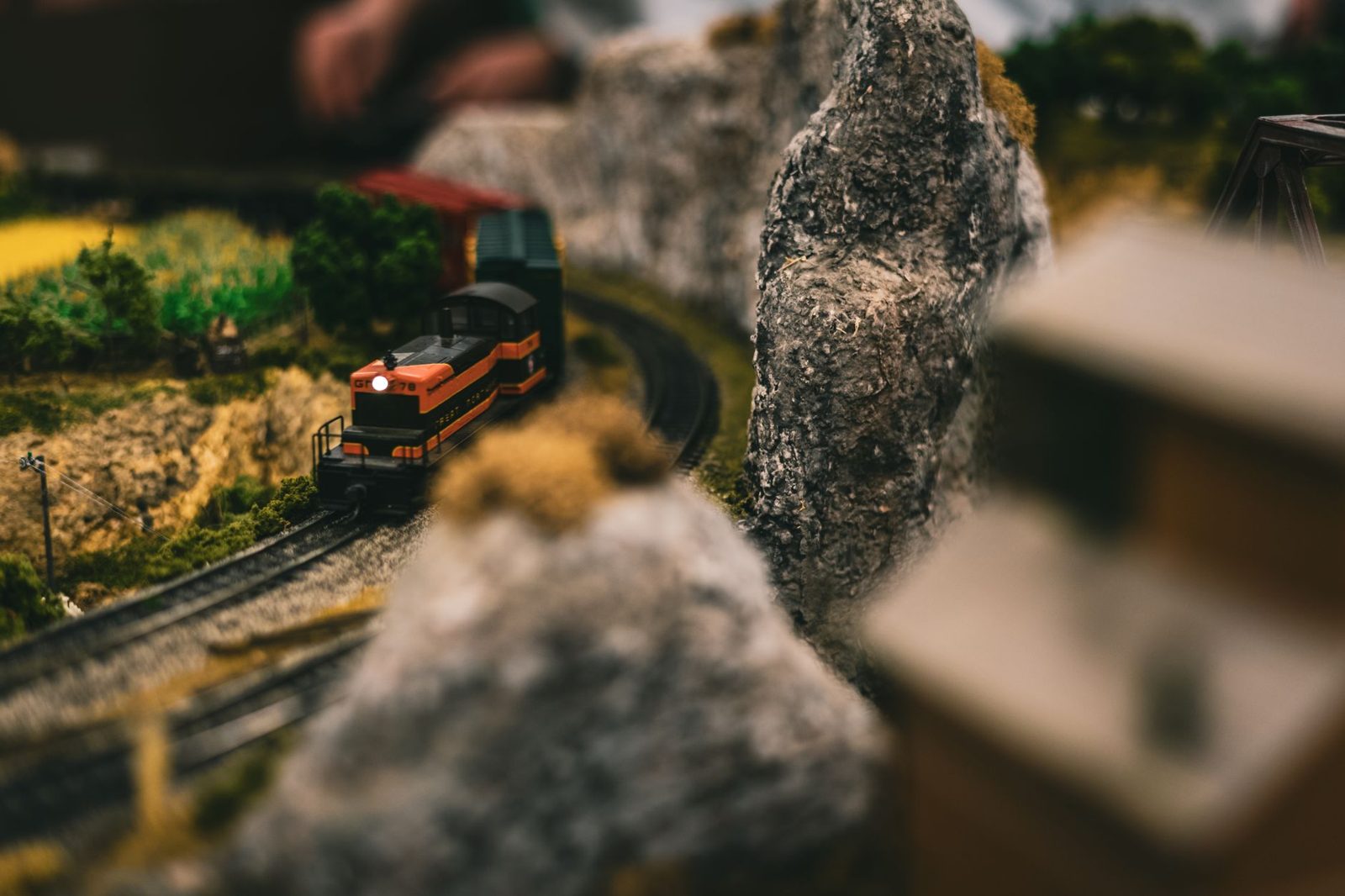
TrainTopia is the museum’s climate-controlled crowd-pleaser, and it’s the part of the visit that keeps younger kids engaged when the outdoor tour might be too long or too hot for them. It’s a large, detailed model-train layout inside the Frisco Discovery Center, and it’s genuinely a piece of craftsmanship — not the sad card-table setup you might be picturing.
What you’re actually looking at
The layout recreates the topography of the American Southwest in the 1960s, running from Arizona across to Texas, New Mexico, and Northeast Texas. Trains wind through mountains, deserts, and small towns. Look closely and you’ll find an animated downtown Dallas street scene and the famous Palo Duro drive-in theater — complete with a real movie playing on the tiny screen. Kids press their faces to the edge; adults quietly hunt for the little Easter eggs the builders hid in the scenery.
TrainTopia is air-conditioned and open more days than the outdoor tour, which makes it the reliable option for a hot afternoon or a rainy day. If you’re building a list of things to do in Frisco that hold up regardless of weather, this belongs on it. It’s also a gentle, low-stakes stop for grandparents and toddlers who aren’t up for a mile of walking on gravel.
Combo, or one or the other?
My honest take: if the person you’re bringing is old enough for the walking tour and even mildly interested in trains, spring for the combo. You’ll get the outdoor giants and the indoor layout, and the price difference over a single ticket is small. If you’re visiting with a preschooler, or it’s brutally hot and nobody wants to be outside, just do TrainTopia on its own and save the railyard for a cooler day. It’s the kind of place that rewards a repeat visit anyway.
A short history worth knowing before you go
The museum was founded back in 1962 and spent decades at Dallas’ Fair Park before making its most ambitious move yet: relocating the entire collection roughly 30 miles north to Frisco. That’s not a small undertaking when your artifacts weigh hundreds of tons each and have to be moved by rail and heavy transport. The Frisco site is still being developed into the permanent museum campus, which is exactly why the outdoor collection is tour-access-only right now.
Knowing that backstory changes how you see the place. You’re not looking at a finished, polished attraction — you’re catching a major museum mid-build, with the eventual vision being a full campus dedicated to the past, present, and future of American railroading. There’s something appealing about visiting now, while it still feels like a work in progress and the guides can point at empty ground and tell you what’s coming. It’s a genuinely different flavor from the more established stops among Frisco’s top attractions.
Planning your visit: parking, timing, and what to skip
This is the part most guides gloss over, so here’s the practical rundown from someone who’s done the drive more than once.
Getting there and parking
The museum’s daily operations and TrainTopia are at 8004 N. Dallas Pkwy, Suite 400, inside the Frisco Discovery Center just off the Dallas North Tollway. It’s an easy stretch of road and there’s free surface parking at the Discovery Center, which also houses a couple of other family attractions — handy if you want to stack activities. If you’re coming from out of town or figuring out the logistics of the whole trip, our guide on getting to Frisco covers airports, tollways, and the lay of the land.
When to go
Timing is everything here because of the tour schedule. Walking tours run Wednesday through Saturday at 11 a.m. and 1 p.m., with no tours on Sunday, so a Sunday visitor is limited to TrainTopia. If the railyard is your priority — and for most first-timers it should be — build your day around a Wednesday-to-Saturday 11 a.m. slot. Buy tour tickets ahead of time online, because capacity is limited and the guided format means they can’t squeeze in latecomers.
Season matters just as much. This is North Texas, and the railyard bakes. Between the granite ballast, the concrete, and all that steel, surface temperatures out there can top 120 degrees in summer. Do the outdoor tour in spring, fall, or on a cool morning if you possibly can. If you’re locked into a July or August visit, take the earliest tour, hydrate before you arrive, and treat it like a short hike.
What to wear and bring
Wear flat, closed-toe, thick-soled shoes — you’ll be walking on and over railroad tracks and across uneven ground, so leave the sandals in the car. Bring water, sunscreen, a hat, and sunglasses for warm-weather tours; bring a real coat in winter, because there’s no shelter out there. One rule to set expectations, especially with kids: you can walk through select pieces of equipment, but climbing on the outside of the locomotives isn’t allowed. The tour covers up to a mile round-trip and lasts about an hour, which is why the museum suggests it for ages 8 and up.
What to skip, and how to stack the day
Don’t try to “speed-run” the walking tour — it’s guided, so you move with the group and the value is in the storytelling, not in rushing ahead. And don’t skip pre-booking; showing up hoping to join a tour on the spot is how people end up stuck with TrainTopia-only when they wanted the railyard. Since the museum sits inside the Discovery Center, it pairs naturally with other stops on a Frisco family vacation, and the whole visit slots easily into a broader Frisco trip itinerary without eating your whole day.
Who this museum is really for
Let me be candid about fit, because that saves everyone disappointment.
Rail fans and history buffs
If you already love trains, this is a no-brainer — the Big Boy and Centennial pairing alone is a bucket-list photo, and the guides speak your language. Come on a weekday when tours are quieter and you can ask questions.
Families with kids
Younger children tend to love TrainTopia and tire of the outdoor tour, so read the room. Elementary-aged kids and up usually do great on the railyard walk if the weather cooperates. It’s an easy, affordable outing compared to the pricier attractions in town, and if you’re keeping costs down, it slots nicely alongside the other free and cheap things to do in Frisco.
Grandparents and multi-generational groups
This is a sneaky-great pick for three generations together. Grandpa gets his locomotives, the kids get the model layout, and nobody has to walk more than they want to if you split up between TrainTopia and the tour. It’s also a nice change of pace from the ballfields and shopping that dominate a lot of Frisco visits — a slower, story-driven stop worth carving out on your list of things to do around town.
Special events and Day Out With Thomas
Keep an eye on the calendar. The museum partners on seasonal programming, including the beloved Day Out With Thomas event that draws Thomas the Tank Engine fans each spring, plus holiday tours and special hours. If you’re timing a trip around family-friendly happenings, it’s worth cross-checking the museum’s schedule with the wider slate of Frisco events and festivals so you don’t miss something good.
The stories behind the machines
Part of what makes the tour land is that these aren’t anonymous hunks of metal. Each one carries a chapter of American history, and the guides connect the dots in a way that sticks with you long after you’ve left the railyard.
Why the Big Boy mattered
The Big Boys were built to muscle heavy freight over the steep grades between Wyoming and Utah without stopping to add helper engines. No. 4018 rolled out in 1941, right as the country was heading into World War II, and locomotives like it kept war materiel and freight moving across the West when it mattered most. Only a handful survive today, which is exactly why serious rail fans plan road trips around seeing one in person. Frisco’s example sits out in the open where you can finally grasp the sheer length of the thing, from the smokebox to the tender.
The Centennial and the GG1
Union Pacific’s Centennial No. 6913 was built in 1969 to mark a hundred years since the golden spike joined the transcontinental railroad, which is where the name comes from. It’s the largest single-unit diesel locomotive ever made, and parking it beside the Big Boy is a deliberate, genuinely brilliant bit of curation. A few steps away, the Pennsylvania Railroad GG1 electric wears bodywork refined by the legendary industrial designer Raymond Loewy. Even parked and silent, it looks like it’s doing 80. The Santa Fe unit, meanwhile, still carries the red-and-silver “warbonnet” scheme that’s arguably the most beautiful paint job in American railroading.
Making a half-day of it near the Discovery Center
Because the museum shares the Frisco Discovery Center campus, you can build a satisfying half-day without moving your car much. The same complex is home to other hands-on attractions — a science-and-discovery center and a videogame museum among them — which is a lifesaver when you’ve got mixed-age kids and competing interests to satisfy. Do the railyard tour, cool down in TrainTopia, then let the crew loose on whatever’s next door.
If you’d rather turn the visit into a broader theme, the museum slots neatly into a local-history day with the Frisco Heritage Museum and a stroll through the Rail District’s shops and restaurants. Prefer to be outside afterward? Several of Frisco’s parks are a short drive away for a picnic once the tour wraps. And if you’re using the city as a base to explore North Texas, the railroad museum makes a gentle, low-key morning before a bigger day trip out of Frisco.
Tips from a frequent visitor
- Book the 11 a.m. Wednesday–Saturday tour if the railyard is your priority. Morning light is better for photos and the steel hasn’t fully heated up yet.
- Bring more water than you think you need in summer. There’s no shade out on the tracks, and the tour covers a full mile round-trip.
- Ask the guide questions. These are historians and volunteers who love this stuff, and the tour gets better the more curious you are.
- Charge your phone. You’ll take more photos than you expect, and the scale shots standing between the two locomotives are the ones you’ll actually keep.
- Wear closed-toe shoes with real soles. You’re crossing railroad track and gravel ballast, not walking across a museum carpet.
- Save TrainTopia for last so you finish the day in the air conditioning instead of heading back out into the Texas heat.
Frequently asked questions
How much does the Museum of the American Railroad in Frisco cost?
As of 2026, expect around $12 for adults and $6 for kids ages 3–12 for either TrainTopia or the walking tour on its own, with children under 3 free. The combo ticket that covers both runs roughly $18 for adults. Prices can change, so confirm on the museum’s site before you go and buy tour tickets in advance.
Can you walk through the trains?
On the guided outdoor tour, yes — you walk through select pieces of the rolling-stock collection with a museum historian. Climbing on the exterior of the equipment is not permitted, both for safety and preservation. The self-guided, wander-the-railyard experience isn’t available right now because the site is under active construction, so all outdoor access is by scheduled tour.
How long should I plan to spend there?
Budget about an hour for the outdoor walking tour, which covers up to a mile on foot, plus another 30–45 minutes for TrainTopia. If you do the combo and linger over the model layout with kids, plan on roughly two to two-and-a-half hours total. It pairs well with other stops at the Discovery Center to fill out a half day.
Is the museum good for young kids?
TrainTopia is fantastic for little ones — it’s indoor, air-conditioned, and full of moving trains and hidden details. The outdoor walking tour is best for ages 8 and up because of the distance, the uneven terrain, and the summer heat. With a preschooler, lean on TrainTopia and save the railyard tour for when they’re older.
When is the best time of year to visit?
Spring and fall are ideal for the outdoor tour, when the railyard isn’t radiating heat. Summer tours are doable if you take the earliest slot and come prepared with water and sun protection, since surface temperatures out on the tracks can exceed 120 degrees. TrainTopia is comfortable year-round because it’s fully indoors.
Do I need to book tickets ahead?
For the walking tour, yes — tours are guided, run at set times (Wednesday–Saturday, 11 a.m. and 1 p.m.), and have limited capacity, so booking online ahead of time is the safe move. TrainTopia is more flexible and can usually be visited any open day, but buying online still saves you time at the door.
Is there a self-guided option to just see the trains?
Not at the moment. Because the Frisco site is still under construction, the outdoor collection is only accessible on a guided walking tour at the scheduled times. You can’t drive up and wander the railyard on your own, so plan around the Wednesday-to-Saturday tour slots at 11 a.m. and 1 p.m. if seeing the locomotives up close is the goal.
Is the outdoor tour wheelchair accessible?
The railyard involves uneven surfaces, gravel ballast, and walking on and over railroad tracks, so it isn’t well suited to wheelchairs or anyone with significant mobility limits. There are concrete platforms in the exhibition area, and the museum is happy to talk through specifics — call or email ahead about accessibility before you book. TrainTopia, by contrast, is an easy, flat, fully indoor visit.
Final thoughts
The Museum of the American Railroad is one of those Frisco stops that punches well above its profile. It doesn’t have a flashy marketing machine, and half the city doesn’t realize a locomotive the size of a small building is sitting a few minutes off the tollway. That’s part of the charm. Book a weekday walking tour, stand between the Big Boy and the Centennial, let a historian tell you the stories, and then cool off inside TrainTopia. For the price, it’s one of the most memorable hours you can spend in town — and a reminder that Frisco’s history rolled in on rails long before it filled up with stadiums and shopping.