The history of Frisco TX starts on a cattle trail, turns on a 1902 railroad line and spends seven decades as a cotton town of under 2,000 people. Then it explodes: 6,141 residents in 1990, more than 230,000 today. Here’s how that happened, and where you can still see each chapter.
This guide is for visitors who want the story behind the stadiums, and for anyone who has passed the red-lettered water tower downtown and wondered what Frisco was before the Tollway. One caveat matters: very little of the pre-1990 town still stands, so the story lives in a handful of places, and the free Heritage Center does most of the work. For the wider museum and culture scene, start with our guide to Frisco history, culture and museums. Checked September 25, 2026.
| At a glance | The short answer |
|---|---|
| Cost | Free for the Heritage Center, the Rail District and the trail marker (as of September 2026); the rail museum runs scheduled tours |
| Time needed | 2 to 4 hours for a history loop; most of a day if you add the rail museum |
| Best for | History readers, rail fans, families with train-mad kids, anyone new to Frisco who wants context |
| Book ahead | Only the Museum of the American Railroad tour |
| Open days | Heritage Center Tuesday to Saturday, 10 a.m. to 5 p.m.; closed Sunday and Monday |
The history of Frisco TX in one timeline
Most short histories stop at the naming story. The better parts come later: a long, quiet stretch, then twenty years when everything happened at once.
| When | What happened |
|---|---|
| 1840s | Settlers travel the Preston Trail, an old Native American footpath that later carried Shawnee Trail cattle drives |
| 1860 | Lebanon, a farm settlement on the trail, gets a U.S. post office |
| 1902 | A St. Louis-San Francisco Railway line is built through the area; the new town’s name becomes Frisco on July 1 |
| 1900s | Frisco incorporates within its first decade |
| 1913 | Reinbert Electric Company starts electric service |
| 1921 | Lone Star Gas organizes the Farmers Gas Company |
| 1955 | Texas Power and Light builds a 110,000-kilowatt generating plant |
| 1970 | Population 1,845 |
| 1980 | Population 3,499; the Frisco railroad merges into Burlington Northern |
| 1990 | Population 6,141 |
| 2000 | Population 33,714; Stonebriar Centre opens at Preston Road and SH 121 |
| 2003 | A minor league ballpark and an arena open beside the Dallas North Tollway |
| 2005 | Pizza Hut Park, now Toyota Stadium, opens as the home of FC Dallas |
| 2016 | The Star opens as the Dallas Cowboys’ headquarters |
| 2023 | The Omni PGA Frisco Resort opens next to the PGA of America’s new headquarters |
| 2026 | Universal Kids Resort opens on July 1; Visit Frisco counts more than 230,000 residents |
Read the population entries top to bottom and you have the whole story in miniature. It took the town 68 years to reach 1,845 people. It took the next 30 years to add more than 30,000.
Before the railroad: Preston Trail, the Shawnee Trail and Lebanon
The footpath that became Preston Road
Preston Road, State Highway 289, is the oldest thing in Frisco that still does its original job. According to Visit Frisco, it began as a Native American footpath running from the Red River toward Austin. Settlers were using it by the 1840s. In the years before the Chisholm Trail became the famous cattle route, Texas herds bound for northern markets moved up this same corridor as the Shawnee Trail.
It’s hard to picture now. Preston Road at the SH 121 interchange is shopping-center traffic and turn lanes, not longhorns. But the alignment is the same, and that’s the first lesson of Frisco history: the city’s bones are older than they look, even when every building sitting on them is new.
Lebanon, the town that came first
Before there was a Frisco, there was Lebanon. It grew up along the trail and received a U.S. post office in 1860, which on the North Texas prairie of that era was a real sign of permanence. Another small community, Erudia, sat nearby. Both lived on farming and on whatever traffic the trail brought through.
Then the railroad picked a route west of the old trail. When the tracks came through in 1902, residents of Lebanon and Erudia moved over to be near them. That was how a lot of Texas towns were made and unmade at the turn of the century: the rails decided, and people followed. The Handbook of Texas describes that influx as part of how the new town filled up. Lebanon’s name survives on Lebanon Road, and not much else does.
Where to see the trail era today
Two stops, both free:
- The Shawnee Trail marker. Visit Frisco notes a Texas historical marker about the Shawnee Trail at Collin College’s Frisco campus. It’s a two-minute read, so pair it with something else.
- The longhorn bronzes. Anita Pauwels’ herd of bronze longhorns, installed in 2003, is a public art tribute to the trail and the best photo you’ll get of this era. Our guide to Frisco’s galleries and public art explains where the herd stands and what else is close by.
Verdict: The trail era is the thinnest part of any Frisco history visit. Read about it at the Heritage Museum, photograph the longhorns, and don’t drive Preston Road hoping to feel 1840. You won’t.
Why is it called Frisco?
Because of a railroad, and a post office that said no.
In 1902 a line of the St. Louis-San Francisco Railway was being built through this stretch of Collin County. The townsite here was first called Emerson, after Francis Emerson, whose farm it was laid out on. The postal service rejected Emerson as a duplicate. Residents came back with Frisco City, in honor of the railroad, and postal authorities ordered the shorter Frisco in May 1902, effective July 1, 1902.
The Handbook of Texas names the company as the St. Louis, San Francisco and Texas Railway, the Texas arm of the larger system everyone just called the Frisco. And here is the part people enjoy: the Frisco never got anywhere near San Francisco. It carried a Pacific destination in its name that it never reached, stayed a railroad of the middle of the country, and merged into Burlington Northern in 1980. So Frisco, Texas, is named after the nickname of a railroad that no longer exists, which was named after a city it never served.
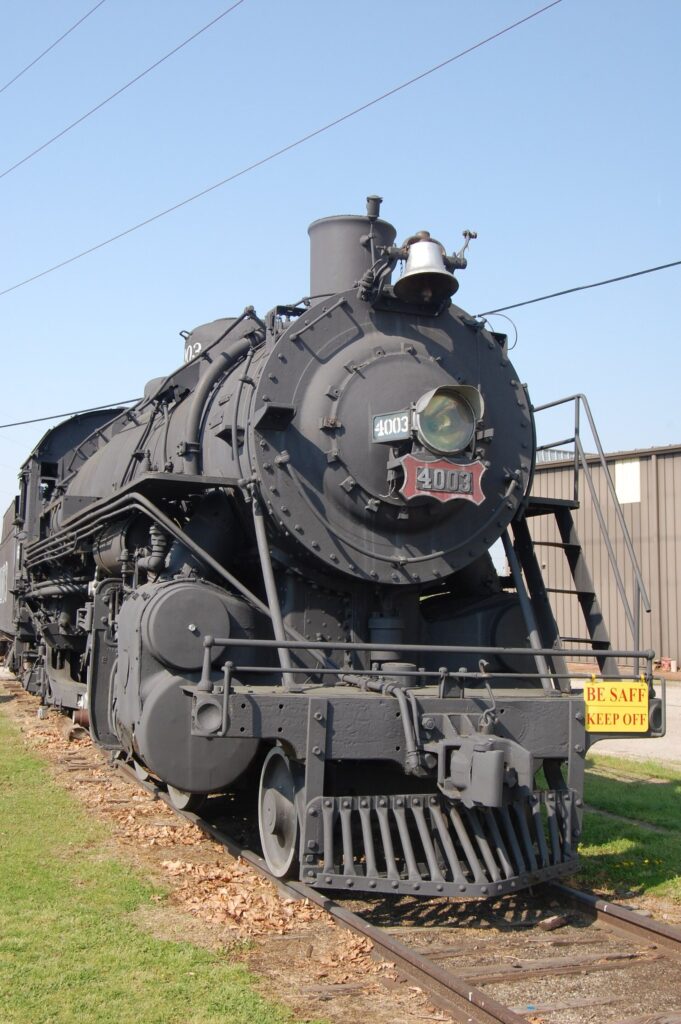
The tracks are still here, and freight still runs through the old downtown. If you want to see a locomotive that once wore Frisco colors, the Museum of the American Railroad holds a steam engine from the Frisco line itself, now resting in the town that took the railroad’s name.
Verdict: If someone tells you Frisco is named for San Francisco, they’re half right and missing the good part.
The cotton-and-rail decades, 1902 to the 1970s
A shipping point for farmers
For most of the 20th century, Frisco was a place farmers came to sell, ship and buy. The Handbook of Texas describes it as a retail and shipping point with a number of cotton gins and grain elevators, and Visit Frisco says the town ran five cotton gins at one time. That’s a lot of ginning capacity for a town of a few hundred people, and it tells you how much cotton the surrounding Blackland Prairie was producing.
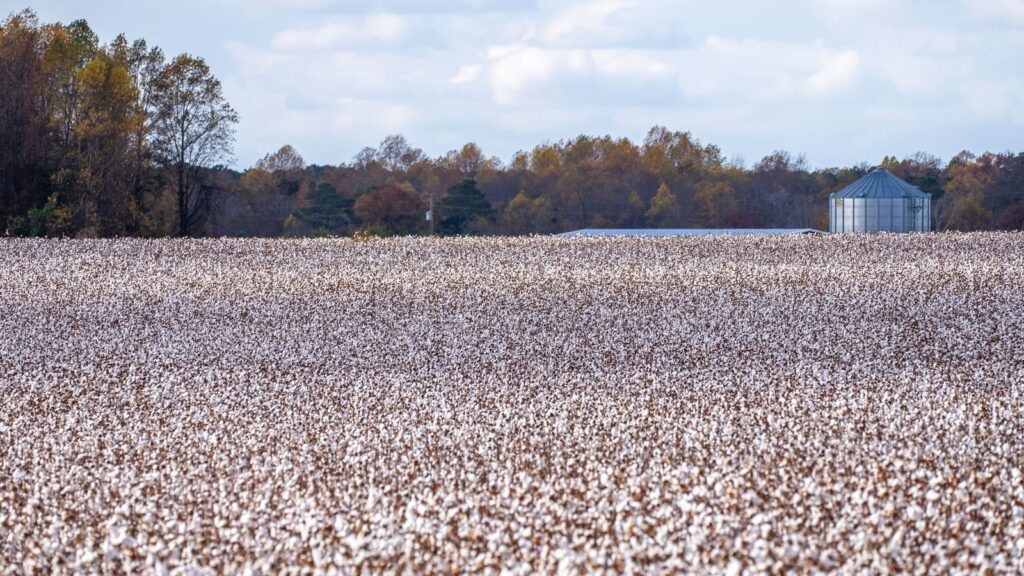
The logic was simple. Farmers hauled cotton and grain into town, the gins and elevators processed and stored it, and the railroad carried it out. The depot was the town’s connection to everything: goods, mail, news and travel. Main Street and the blocks around it grew up beside the tracks to serve people coming in from the fields. Frisco incorporated within its first decade, and the grid from that period is the core of what the city now calls the Rail District.
Power lines and a very slow middle century
Modern utilities arrived in steps. Reinbert Electric Company began serving the town in 1913. In 1921 Lone Star Gas organized the Farmers Gas Company. Texas Power and Light bought out Reinbert in 1924, and in 1955 the utility built a 110,000-kilowatt generating plant here, a large piece of infrastructure for a farm town.
What didn’t arrive was people. Frisco had 618 residents in 1930 and 1,184 in 1960. The entire 1960 town would fill one small corner of Toyota Stadium today. It sat about thirty miles north of Dallas, which in that era meant it was in the country, and not many people expected that to change.
That long plateau is the part of the story that gets skipped. Two world wars, the Depression, the arrival of cars and paved highways: through all of it, Frisco stayed a cotton-and-rail town of a thousand or so people, with a Main Street, a depot and a school.
Verdict: This is the era the Heritage Museum tells best, and the one most visitors skim. Give it time. The boom only makes sense once you’ve seen how small the starting point was.
How did Frisco grow so fast?
Numbers first, because they’re startling.
| Year | Residents | Note |
|---|---|---|
| 1930 | 618 | Handbook of Texas census figure |
| 1960 | 1,184 | Still a farm town |
| 1970 | 1,845 | Last count under 2,000 |
| 1980 | 3,499 | Growth begins |
| 1990 | 6,141 | Still a small town by any measure |
| 2000 | 33,714 | More than fivefold in ten years |
| 2011 | About 120,000 | Visit Frisco figure |
| 2021 | 210,719 | Handbook of Texas estimate |
| 2026 | More than 230,000 | Visit Frisco, September 2026 |
A few things lined up at once, and very little of it was luck.
Land, and the roads to reach it
Through the 1970s and 1980s, the northern suburbs of Dallas filled in one after another: Richardson, then Plano. Frisco sat just beyond them with flat, open farmland and improving road access. The Dallas North Tollway pushed north through the middle of what is now the city, SH 121 (today’s Sam Rayburn Tollway) ran along its southern edge, and US 380 crossed the north. When cheap land ran short in Plano, Frisco was the next big blank space up the Tollway.
My honest read: Frisco didn’t invent the suburban boom. Geography handed it the chance. What the city did with that chance is the more interesting story.
The venue bet
Most boomtowns just get houses. Frisco went after destinations. Starting around 2000, the city and its partners, often including Frisco ISD, landed one big venue after another, and each gave people from across North Texas a new reason to drive up.
| Opened | What it was then | What it is now |
|---|---|---|
| 2000 | Stonebriar Centre, a regional mall at Preston Road and SH 121 | Still the city’s main mall |
| 2003 | Dr Pepper/Seven Up Ballpark, for the Double-A RoughRiders, relocated from Shreveport | Riders Field since the 2021 season |
| 2003 | Dr Pepper Arena, with Dallas Stars practice ice | Comerica Center since 2019 |
| 2005 | Pizza Hut Park, the new home of FC Dallas | Toyota Stadium, also home to the National Soccer Hall of Fame |
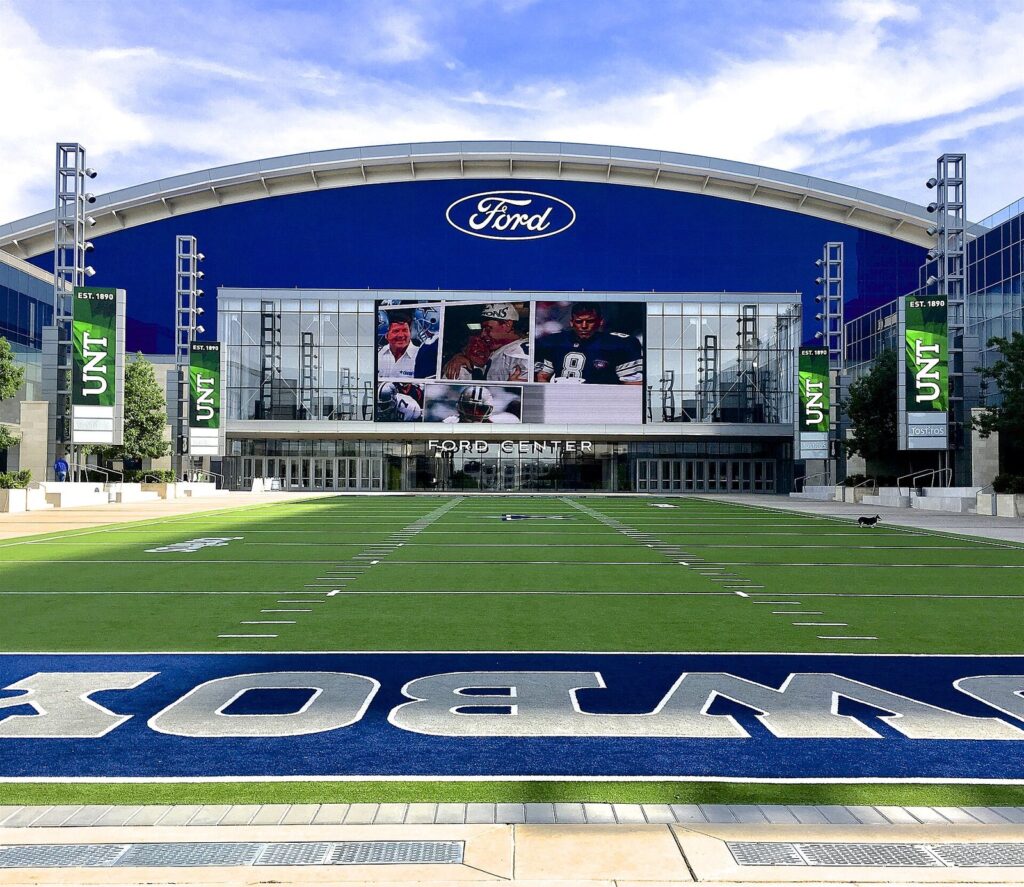
| 2016 | The Star, the Dallas Cowboys’ headquarters and Ford Center | Tours, shops, a hotel and Frisco ISD football |
| 2023 | Omni PGA Frisco Resort, next to the PGA of America’s headquarters | Two Fields Ranch championship courses |
| 2026 | Universal Kids Resort, opened July 1 | Universal’s first theme park built for families with young children |
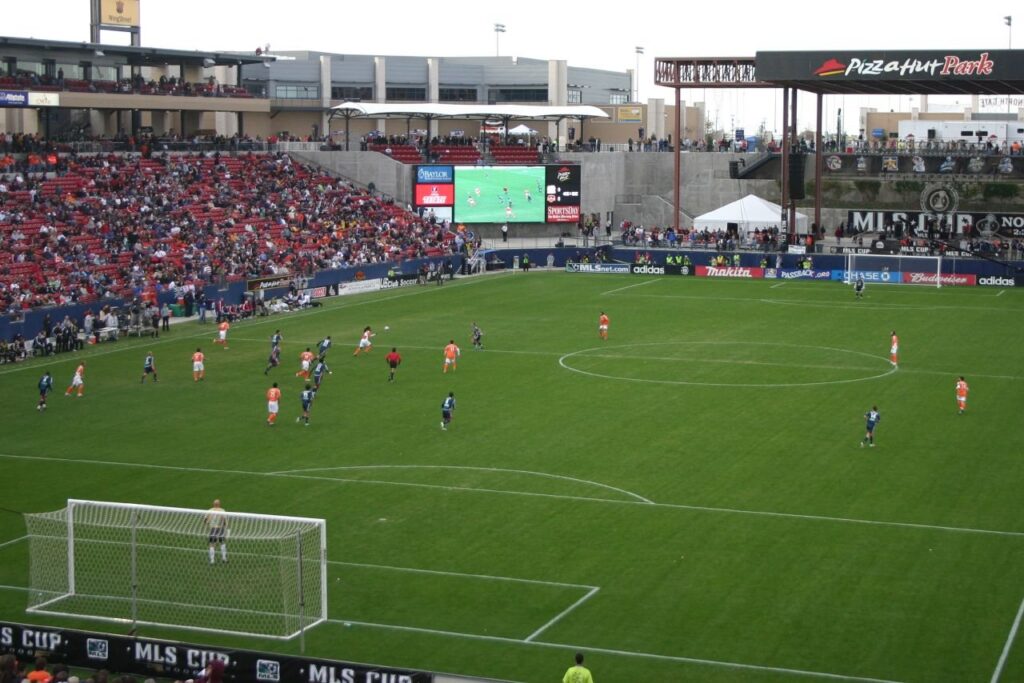
The pattern repeated. A team or organization wanted a new home, and Frisco had land to offer and partners willing to share both the cost and the use. The Star is the clearest example. The Ford Center there is the Cowboys’ indoor practice facility, and it also hosts Frisco ISD high school football, which is part of why the deal made sense for local taxpayers and not just for the team.
Notice, too, how the names churn. Locals still say Dr Pepper Ballpark years after the signs changed. That’s a quirk of a city this young: its landmarks are recent enough that everyone remembers their old names.
Verdict: You can argue about how much public money went into all this. You can’t argue that Frisco would look anything like it does without the venues. They are the boom’s real history, and they’re also the easiest part of it to visit.
Rooftops and classrooms
Houses followed the venues, and the venues followed the houses. Visit Frisco’s history page credits the city’s location, quality of life and leadership for its run as the fastest-growing city in the nation. On the ground that meant subdivisions replacing cotton fields one section at a time, new arterial roads laid across old farm lanes, and a school district spending two decades racing to open campuses fast enough to keep up.
If you drive north on the Tollway toward US 380 today, you can still watch the process happen: farmland giving way to graded lots, then framing, then rooftops. The south end of the city looks finished. The north end is still being built.
The 2020s: golf, a theme park and a return to downtown
The latest chapter is less about catching up and more about ambition. The PGA of America announced in 2018 that it would move its headquarters from Florida to Frisco, and the Omni PGA Frisco Resort opened in 2023 alongside it. Universal Kids Resort followed on July 1, 2026, with seven themed lands, the first Universal theme park designed around families with young children.
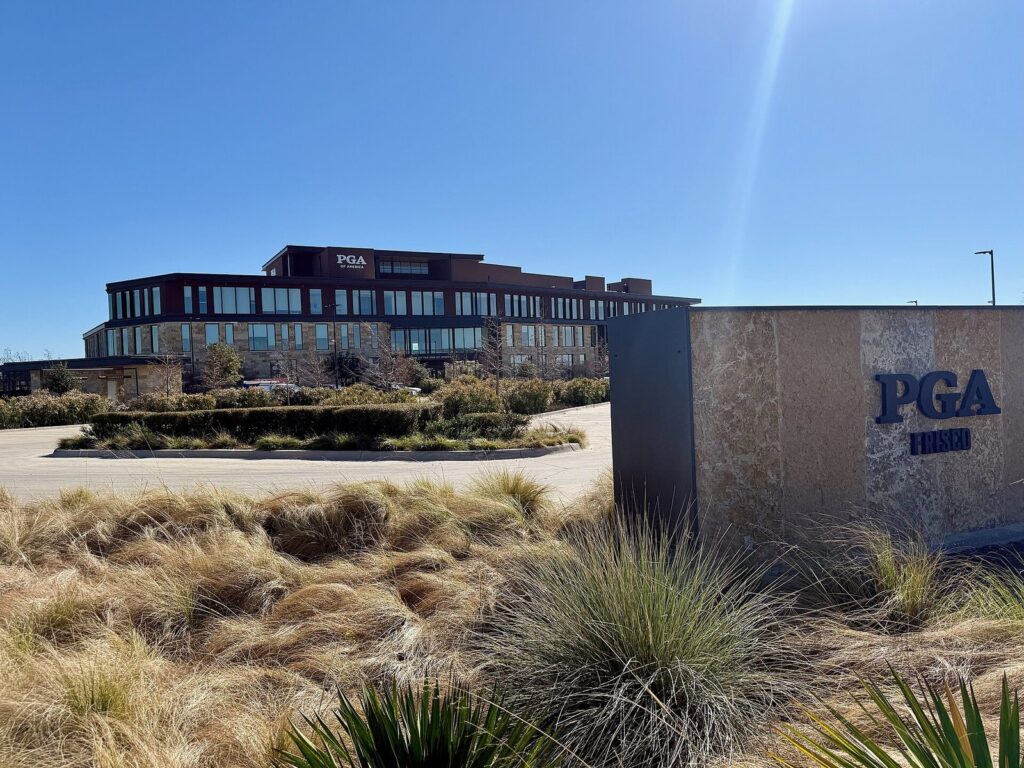
At the same time, the city has turned its attention back to where it started, with a streetscape redevelopment along Main Street in the Rail District. That’s a sign of a city old enough now to care about its own oldest blocks, which, in Frisco’s case, took about a century and a quarter.
Where can you see Frisco’s history today?
Here’s how the history stops compare. Prices and hours are as of September 2026.
| Stop | Era it covers | Cost | Time | Book ahead? |
|---|---|---|---|---|
| Frisco Heritage Center and Museum | Trail days through the boom | Free | 60 to 90 min | No |
| Museum of the American Railroad | American railroading, Frisco line included | Check the tour listing | Varies by tour | Yes |
| Rail District and Main Street | The 1902 townsite | Free to walk | 45 to 90 min | No |
| Shawnee Trail marker | 1840s to 1860s | Free | 10 min | No |
| Longhorn bronzes | Trail era, as public art | Free | 15 to 30 min | No |
| TrainTopia at the Discovery Center | Model railroading | Ticketed | 30 to 45 min | No |
Frisco Heritage Center and Heritage Museum
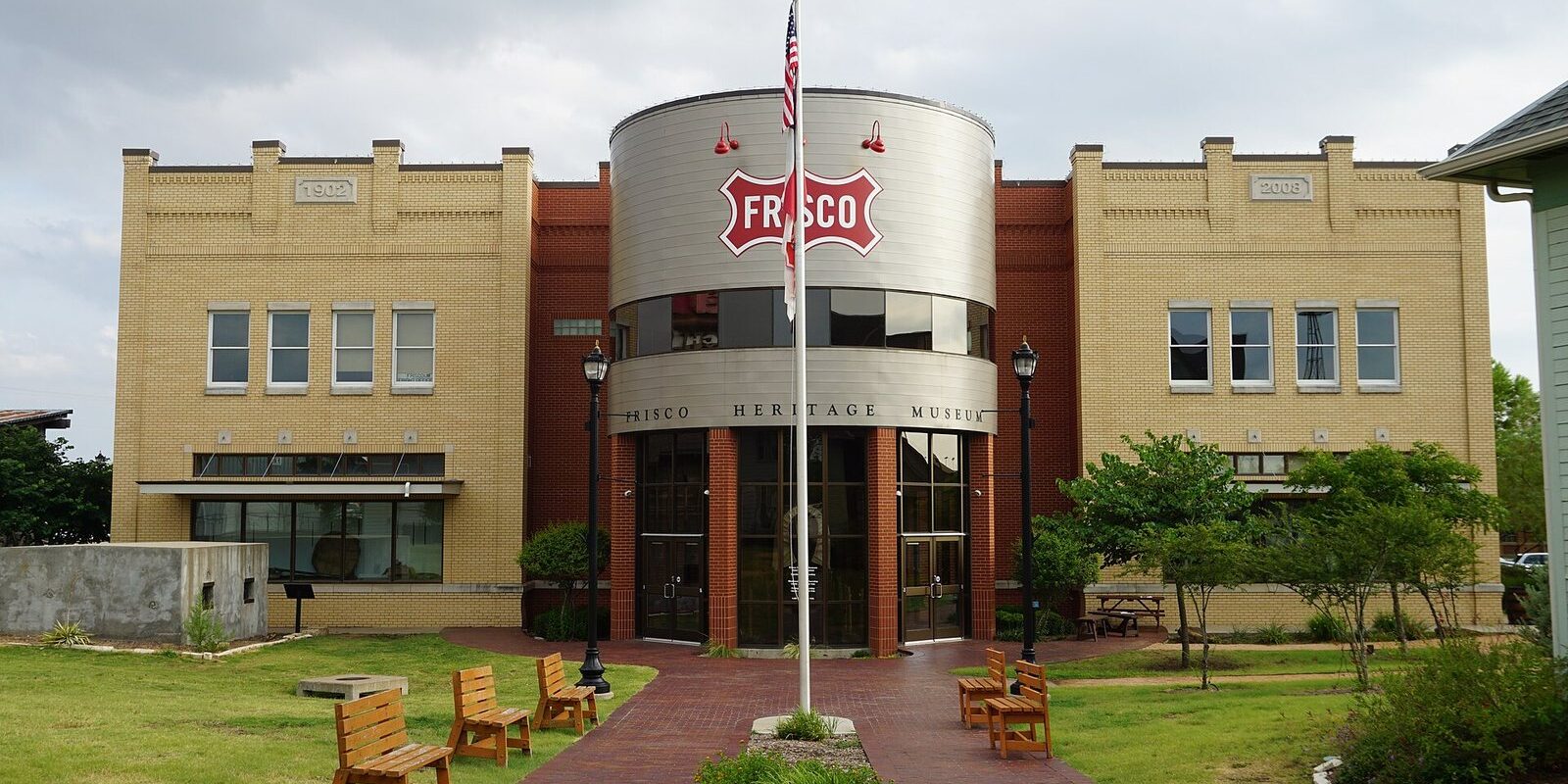
This is the one stop that holds the whole story. The Heritage Center at 6455 Page Street is a small city-run campus: the Frisco Heritage Museum plus the Crozier-Sickles House, the Smith-Muse House, the Depot, a wooden caboose and a steam locomotive. As of September 2026 it’s open Tuesday through Saturday, 10 a.m. to 5 p.m., closed Sunday and Monday, and admission is free.
The museum works through the trail years, the railroad founding and the farm decades before it reaches the boom, which is the right order. Outside, the old houses and the rail equipment are the part kids remember. The city runs a recurring Second Saturdays family program (its page doesn’t list times), and it has posted November and December maintenance closures for the museum before, so check the city’s alerts ahead of a winter visit.
Our complete Frisco Heritage Museum visitor guide goes exhibit by exhibit.
Verdict: Start here, arrive close to 10 a.m., and give it 60 to 90 minutes. For anyone curious about Frisco, it’s the best free hour in the city.
Museum of the American Railroad
The museum was founded in 1962 and spent decades at Fair Park in Dallas before moving its collection to Frisco, where its permanent campus is still being developed. For now, you see the outdoor collection on scheduled tours. It’s a national collection, but it includes Frisco-line equipment and explains the business that created this town better than any plaque.
Our Museum of the American Railroad guide covers tour formats and the headline engines.
Verdict: Essential for rail fans, optional for everyone else. Book a tour before you go rather than just turning up.
The Rail District and old Main Street
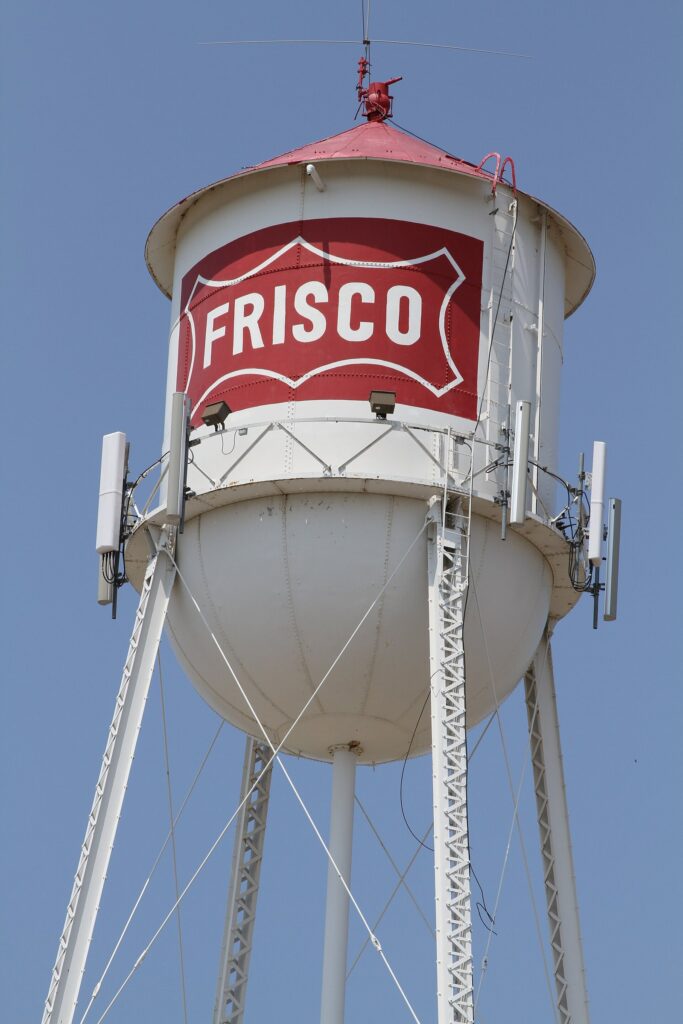
The Rail District is the 1902 town: Main Street and the blocks that grew up beside the tracks. It’s compact, a few blocks of low brick storefronts, older houses and newer infill, with the downtown water tower as the landmark you’ll spot from a distance. Shops and restaurants fill the old buildings now, and our Rail District shopping guide covers the boutiques and the antiques mercantile.
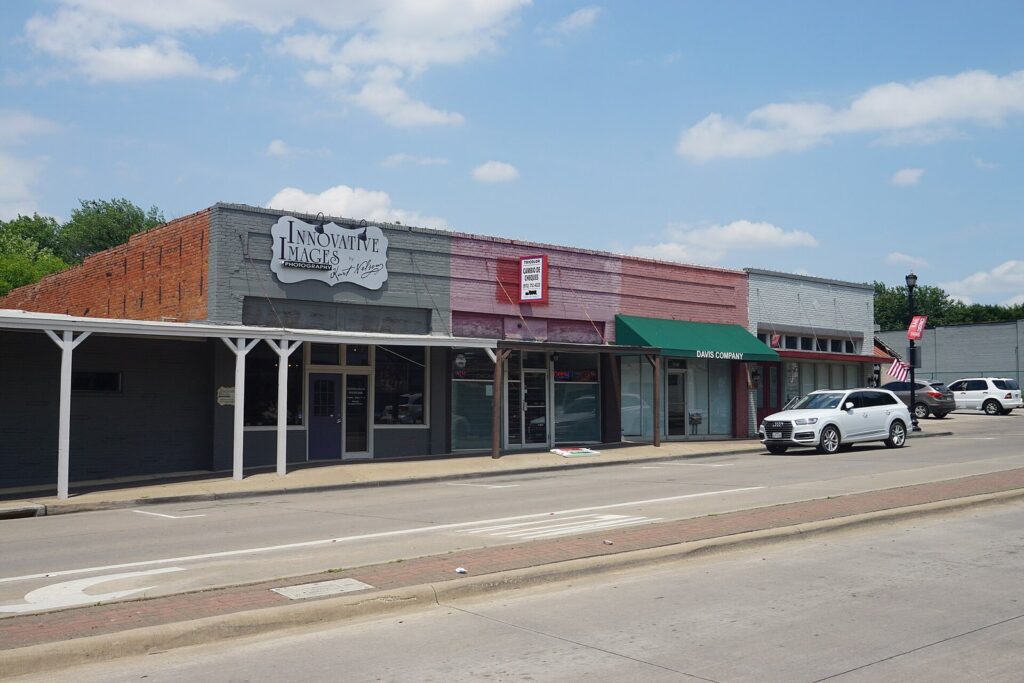
Set your expectations, though. This is not McKinney’s courthouse square or Grapevine’s Main Street. It’s a real small-town core that got surrounded by a big city, and some blocks have construction or new buildings between the old ones. That contrast is the point. Stand on Main Street and you can see the town the railroad built and the city the Tollway built in the same view.
Verdict: Worth an hour and a meal. Pair it with the Heritage Center, not with a mall day.
TrainTopia and the Frisco Discovery Center
The Museum of the American Railroad also created TrainTopia, a large model railroad inside the Frisco Discovery Center, which houses a science museum and art galleries too. We have a full TrainTopia guide on the way. It isn’t Frisco history in the strict sense, but it’s the easiest way to get young kids interested in why a railroad could create a town.
Verdict: Great for a hot afternoon with kids. Skip it if you’re short on time and the Heritage Center already scratched the train itch.
Public art that tells the story
Visit Frisco counts more than 80 pieces of public art around the city, and a few of them point back to its history, most obviously the longhorn bronzes honoring the Shawnee Trail. A separate walking guide to the Texas Sculpture Garden is coming too, though that’s contemporary work rather than local history.
Verdict: Grab the longhorns if you’re passing. Don’t build a history day around public art.
A half-day Frisco history loop
If you have one morning and an afternoon to spare, this order works:
- 10 a.m., Frisco Heritage Center. Arrive at opening, before the grounds heat up in summer. Spend 60 to 90 minutes between the museum and the outdoor buildings.
- Around 11:30 a.m., Main Street. It’s a short drive to the Rail District. Park once and walk the old blocks.
- Lunch in the Rail District, then browse the shops in the old storefronts.
- Afternoon, pick one: your booked Museum of the American Railroad tour; TrainTopia and the Discovery Center if you have young kids; or the Shawnee Trail marker and the longhorn bronzes if you’d rather stay outdoors.
- Evening: a RoughRiders game at Riders Field in season, or an FC Dallas match at Toyota Stadium. Then you’ve seen both Friscos in one day.
My call: run this loop Tuesday through Friday. Saturdays are livelier in the Rail District, but the Heritage Center fills with families, and on Sunday and Monday it’s closed, which breaks the whole plan.
Planning: getting there, parking, timing and what to book
Getting there
You’ll need a car. Frisco has no DART rail service, and the history stops are spread across the city. Honest drive times to the old downtown:
- From The Star: about 10 to 15 minutes.
- From Frisco Square: about 5 to 10 minutes along Main Street.
- From DFW Airport: about 35 to 50 minutes, mostly on SH 121, longer at rush hour.
Parking
Parking in the old downtown is free on the street and in small lots, and the Heritage Center has its own lot. The one time it gets ugly is a big night at Toyota Stadium, which sits on Main Street at the Tollway about two miles west of the Rail District. Traffic backs up along Main before kickoff, so plan your downtown time for earlier in the day.
Timing
- Heritage Center: Tuesday to Saturday, 10 a.m. to 5 p.m., as of September 2026.
- Summer: afternoons are brutal on the outdoor exhibits. From June through September, do the outdoor parts before noon.
- Best seasons: spring and fall, when walking Main Street is actually pleasant.
What to book and what to skip
- Book: the Museum of the American Railroad tour, if you want it. Nothing else on this list needs a reservation.
- Skip: hunting for the Lebanon townsite or the old gin sites. Most aren’t marked, and you’ll just be driving through subdivisions.
- Skip: any self-made “historic Frisco” drive up Preston Road. The history is real; the view isn’t.
For everything that isn’t history, our full list of things to do in Frisco picks up where this leaves off.
What’s left of old Frisco, and what isn’t
Be clear-eyed about this: Frisco did not preserve itself the way some older Texas towns did. It grew too fast. Cotton fields became subdivisions, the gins and most farm buildings disappeared, and the oldest blocks got surrounded. What survived is concentrated. The Heritage Center gathered historic houses and rail equipment onto one campus, and the Rail District kept the street grid and a set of storefronts.
There’s more for anyone who digs. The federal Advisory Council on Historic Preservation lists Frisco as a Preserve America community. For serious readers, the University of North Texas’s Portal to Texas History has a digitized copy of The History of Frisco 1902-1976, which is where to go for names, families and detail this page can’t hold. We’re also preparing separate guides to Frisco’s notable architecture and landmarks and to its cultural events and performances.
The honest trade-off: Frisco swapped a small town for a big, busy, well-run one. You can see the old one in an afternoon. You’ll spend the rest of your trip in the new one, and that isn’t a complaint. It’s the story.
Nearby towns that kept more of their old bones
If Frisco leaves you wanting more old buildings, these are the day trips:
- McKinney kept its courthouse square and brick downtown, about 20 to 30 minutes east. See our McKinney day trip guide.
- Grapevine has a historic Main Street and a vintage railroad, about 30 to 45 minutes southwest. Our Grapevine day trip covers it.
- The Fort Worth Stockyards carry the cattle-drive story Frisco only hints at, 50 to 75 minutes away. Start with our Stockyards day trip from Frisco.
More ideas are in our roundup of day trips from Frisco.
Verdict: If you only have time for one, McKinney is the closest and has the most intact old downtown.
Frequently asked questions about the history of Frisco TX
How did Frisco, Texas get its name?
Frisco is named for the St. Louis-San Francisco Railway, nicknamed the Frisco, which built a line through the area in 1902. The townsite was first called Emerson, but the postal service rejected that as a duplicate. Residents proposed Frisco City, and postal authorities shortened it to Frisco, effective July 1, 1902.
When was Frisco founded?
It depends on what you count. Settlers used the Preston Trail from the 1840s, and nearby Lebanon had a post office by 1860. The town called Frisco dates to 1902, when the railroad arrived and the name took effect on July 1. It incorporated within its first decade, according to the Handbook of Texas.
Is Frisco named after San Francisco?
Only indirectly. The name comes from the railroad’s nickname, and the St. Louis-San Francisco Railway took its own name from a Pacific destination it never reached. The line stayed a railroad of the middle of the country and merged into Burlington Northern in 1980, so the Frisco name disappeared from the rail map long before the city got famous.
What was Frisco like before the boom?
Small and agricultural. Frisco was a shipping point for farmers, with cotton gins and grain elevators beside the tracks, and Visit Frisco says it once ran five gins. The population was 618 in 1930 and still only 1,845 in 1970. Growth started in the 1980s and became a surge by 2000.
Why did Frisco grow so fast?
Open land, tollway access and a deliberate bet on big venues. As Plano filled in, Frisco was the next large block of buildable land up the Dallas North Tollway. The city and its partners then landed a ballpark, an arena, a soccer stadium, the Cowboys’ headquarters and the PGA of America, and each one pulled more growth behind it.
Where can I learn about Frisco history for free?
Start at the Frisco Heritage Center, 6455 Page Street, which was free and open Tuesday through Saturday, 10 a.m. to 5 p.m., as of September 2026. Then walk Main Street in the Rail District and find the Shawnee Trail historical marker at Collin College’s Frisco campus. All three cost nothing.
Is Frisco in Collin County or Denton County?
Both. Most of the city, including the original railroad town, sits in western Collin County, and a portion extends into eastern Denton County. It rarely matters to visitors, but it’s worth knowing if you’re digging through county records or old newspapers, since the early town’s story sits on the Collin side.
Final thoughts
Frisco’s history is short, fast and easier to see than you’d expect, as long as you know where to look. Spend a morning at the Heritage Center, walk Main Street, then catch a game at one of the venues that made the boom. For the museums, galleries and events that build on this story, our Frisco culture and museums hub is the natural next stop.
Related Frisco Guides
- Frisco Heritage Museum: Complete Visitor Guide (2026): exhibits and hours at the museum that tells this story
- Museum of the American Railroad Frisco: What to See & Do: the rail collection behind the town’s name
- Frisco Rail District: Boutique Shopping & Local Finds: shops and food inside the 1902 townsite
- Frisco Discovery Center: Science, Art & Exploration Guide: TrainTopia, science and galleries under one roof
- Day Trip to McKinney TX from Frisco: Historic Downtown Guide: a courthouse square that kept its old downtown
Sources and verification
Details in this guide were checked on September 25, 2026 against the official sources below. It is compiled from them rather than from other travel lists, and it doesn’t describe first-hand visits. Prices, hours and schedules change, so confirm with the venue before you go.
- Texas State Historical Association: Handbook of Texas, Frisco, TX
- Visit Frisco: History of Frisco
- City of Frisco: Frisco Heritage Center
- Universal Destinations & Experiences: Universal Kids Resort opening
Photo credits
- Tan brick Frisco Heritage Museum with a silo-style entrance, where the history of Frisco TX is told (top photo): photo by Michael Barera, Wikimedia Commons (CC BY-SA 4.0)
- Black St. Louis-San Francisco Railway steam locomotive No. 4003 on a display track: photo by Adam Bartlett from Little Rock, Arkansas, United States, Wikimedia Commons (CC BY 2.0)
- Open cotton field ready for harvest with a metal grain bin and trees behind it: photo by Mark Stebnicki, Pexels (Pexels License)
- Players and a packed stand during the 2006 MLS Cup final at Pizza Hut Park: photo by Jarrett Campbell from Cary, NC, USA, Wikimedia Commons (CC BY 2.0)
- Ford Center at The Star with a blue Ford sign above a Cowboys-painted turf field: photo by Danazar, Wikimedia Commons (CC BY-SA 4.0)
- PGA of America headquarters building behind a stone PGA Frisco sign and native grasses: photo by Jackilometresan, Wikimedia Commons (CC0)
- Low brick storefronts with metal awnings along Main Street in Frisco’s Rail District: photo by Michael Barera, Wikimedia Commons (CC BY-SA 4.0)
- White downtown water tower with a red FRISCO logo against a clear blue sky: photo by Rainchill, Wikimedia Commons (CC BY 3.0)