Here’s what surprises people: a city that didn’t crack 6,200 residents until 1990 now holds one of only eight surviving “Big Boy” steam locomotives, 100,000-plus video game artifacts, and the largest private collection of contemporary Texas sculpture anywhere. Frisco packs a cultural punch that embarrasses cities ten times its age.
Frisco TX museums range from the free-admission Frisco Heritage Museum to the high-tech National Soccer Hall of Fame, with a hands-on science center, a gaming museum, one of America’s largest rail collections, and a 40-piece outdoor sculpture garden in between. This guide covers every major museum and cultural landmark — hours, admission, what to see, and how to string them into one great day. Start with the Frisco Heritage Museum, because that’s where the city’s whole story begins.
Frisco Museums at a Glance
Seven institutions, one compact area. Here’s the quick comparison so you can build a day around what matters to you. All prices are 2026 — check current before you go.
| Museum | Best for | Admission (2026) | Time needed |
|---|---|---|---|
| Frisco Heritage Museum | Local history, railroad roots | Free | 60–90 min |
| Museum of the American Railroad | Train enthusiasts | Free (tours by schedule) | 60–90 min |
| Sci-Tech Discovery Center | Families, young kids | $15 adult / $13 child | 2+ hrs |
| National Videogame Museum | Gamers, teens, nostalgia | $12 adult / $10 child | 2+ hrs |
| TrainTopia | Model-train lovers, all ages | $10 adult / $8 child | 30–45 min |
| National Soccer Hall of Fame | Sports fans, interactive tech | $15 adult / $12 child | 60–90 min |
| Texas Sculpture Garden | Art lovers, photographers | Free | 60–90 min |
Whether you’re a history buff tracing the railroad roots that gave Frisco its name, a family after hands-on learning, or an art lover chasing golden hour among sculptures, the cultural attractions here deliver on a scale few Texas cities can match. And a good chunk of it costs nothing.
Frisco Heritage Museum: Where the City’s Story Begins
If you visit one museum, make it this one first — it frames everything else. The Frisco Heritage Museum sits within the Frisco Heritage Center on Main Street, and its 16,000 square feet trace how a small farming community called Lebanon became one of the fastest-growing cities in America.
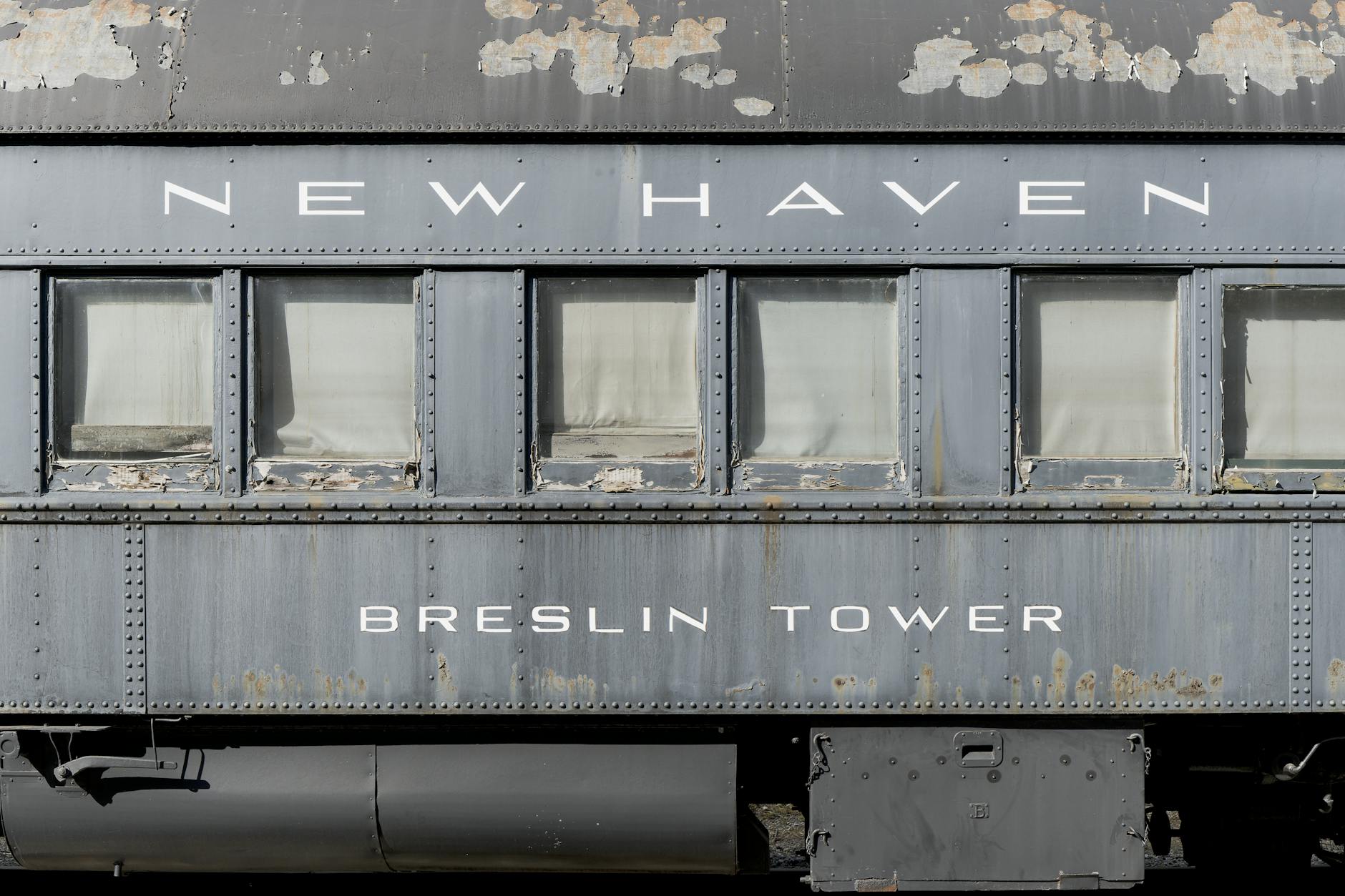
The museum tells that story in eras. You’ll learn how the St. Louis–San Francisco Railway (nicknamed “Frisco”) arrived in 1902, literally put the town on the map, and handed it the name we still use. The Rails to North Texas exhibit, built in partnership with the Museum of the American Railroad, digs into how railroads reshaped the whole region, with interactive displays and historical maps showing Frisco’s shift from isolated farm town to connected, thriving community. The personal stories from railroad workers and early settlers are what stick with you.
What to See
- Steam Locomotive No. 1351: a beautifully preserved steam engine and one of the museum’s most photographed pieces.
- Wooden caboose: step inside a restored caboose to feel what railroad life was like for the crews who worked these lines a century ago.
- Historic buildings: the Heritage Center grounds include several relocated and restored structures, including an original one-room schoolhouse and an 1800s log cabin.
- Rotating exhibits: new shows like DEEP GLOW (bioluminescent art) and Quinceañera Encantada highlight Frisco’s growing cultural diversity.
Admission: Free. Hours: Tuesday–Saturday, 10 AM–5 PM (closed Sunday and Monday). Location: 6455 Page Street, Frisco, TX 75034.
Plan 60–90 minutes for the museum and grounds. Don’t skip the outdoor campus — the landscaping, historical markers, and photo ops alongside the steam locomotive are half the charm, and photography is encouraged throughout. The passionate staff run guided experiences and seasonal programs, and school groups are welcome. For the full deep-dive on this one, see our dedicated Frisco Heritage Museum guide.
Museum of the American Railroad: One of America’s Largest Rail Collections
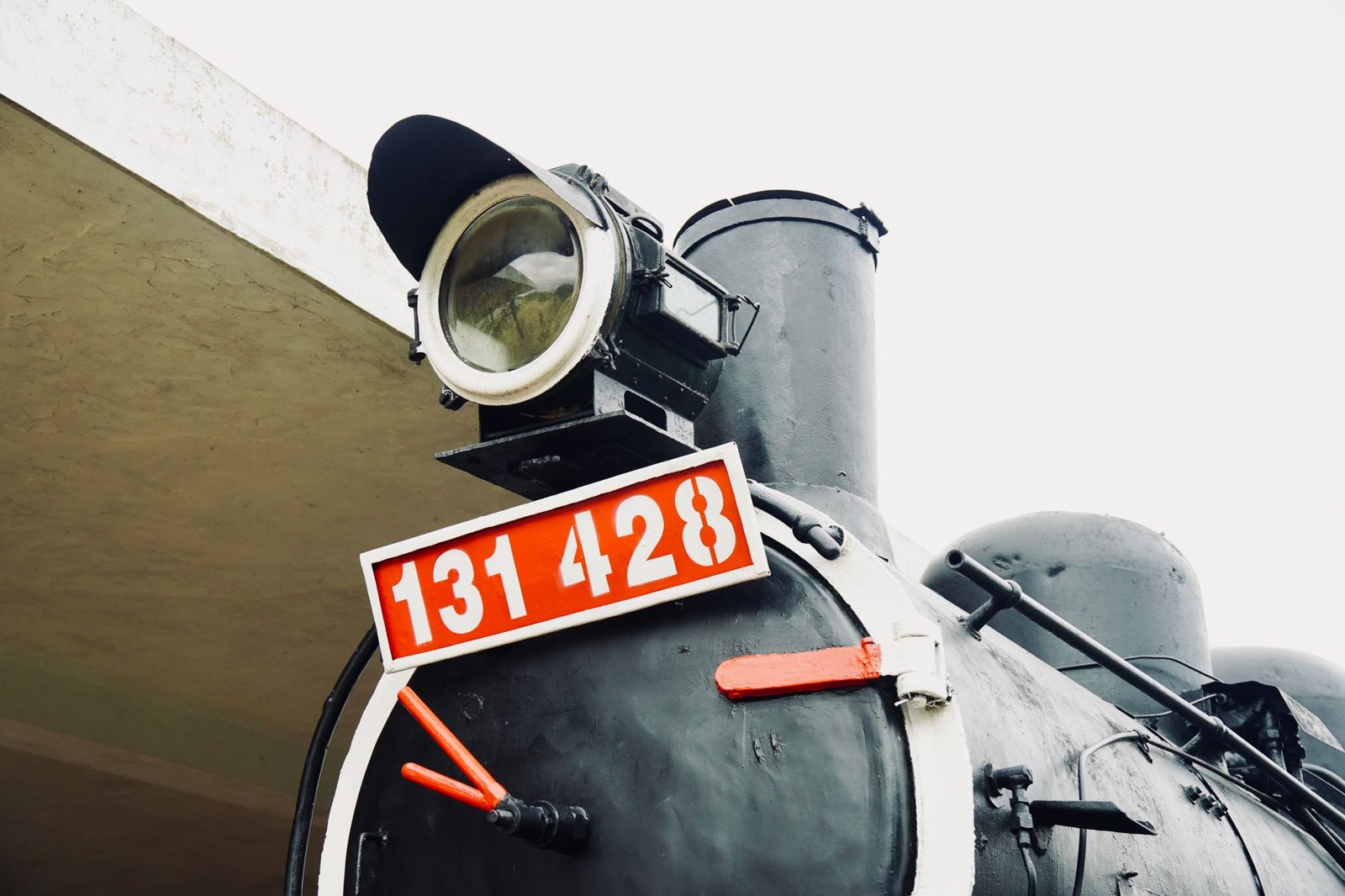
Train people, this is your paradise. The Museum of the American Railroad holds one of the largest collections of historic railroad equipment in the country — more than 70 pieces of steam, diesel, passenger, and freight equipment across 15 Frisco acres, telling the story of how rail transformed American life.
Star Exhibits
- Union Pacific “Big Boy” No. 4018: one of only eight surviving Big Boy steam locomotives — the largest steam engines ever built, tipping the scales at over 1.2 million pounds.
- “Centennial” diesel locomotive: the most powerful single-unit diesel ever built, marking the transition from steam to diesel.
- Historic passenger cars: beautifully preserved Pullman cars, dining cars, and other equipment from the golden age of rail travel.
- Freight equipment: a diverse collection of freight cars, maintenance gear, and operational machinery.
The museum’s permanent Frisco site is under development toward a world-class campus. For now, you access the collection through scheduled tours and special events, with interim exhibits over at the Frisco Heritage Museum.
Admission: Free (tours by schedule). Hours: Tuesday–Saturday, 10 AM–4 PM. Location: 6455 Page Street, Frisco, TX 75034.
Frisco Discovery Center: Science, Art & Imagination Under One Roof
This is the most efficient stop on any museum day, because it’s really four attractions in one building. The Frisco Discovery Center at 8004 Dallas Parkway brings together science, art, gaming history, and performing arts, so you can fill an entire afternoon without moving the car. The building is modern and welcoming, with a full-service café for the long-haul visitors and gift shops with genuinely unusual educational merchandise.
Sci-Tech Discovery Center
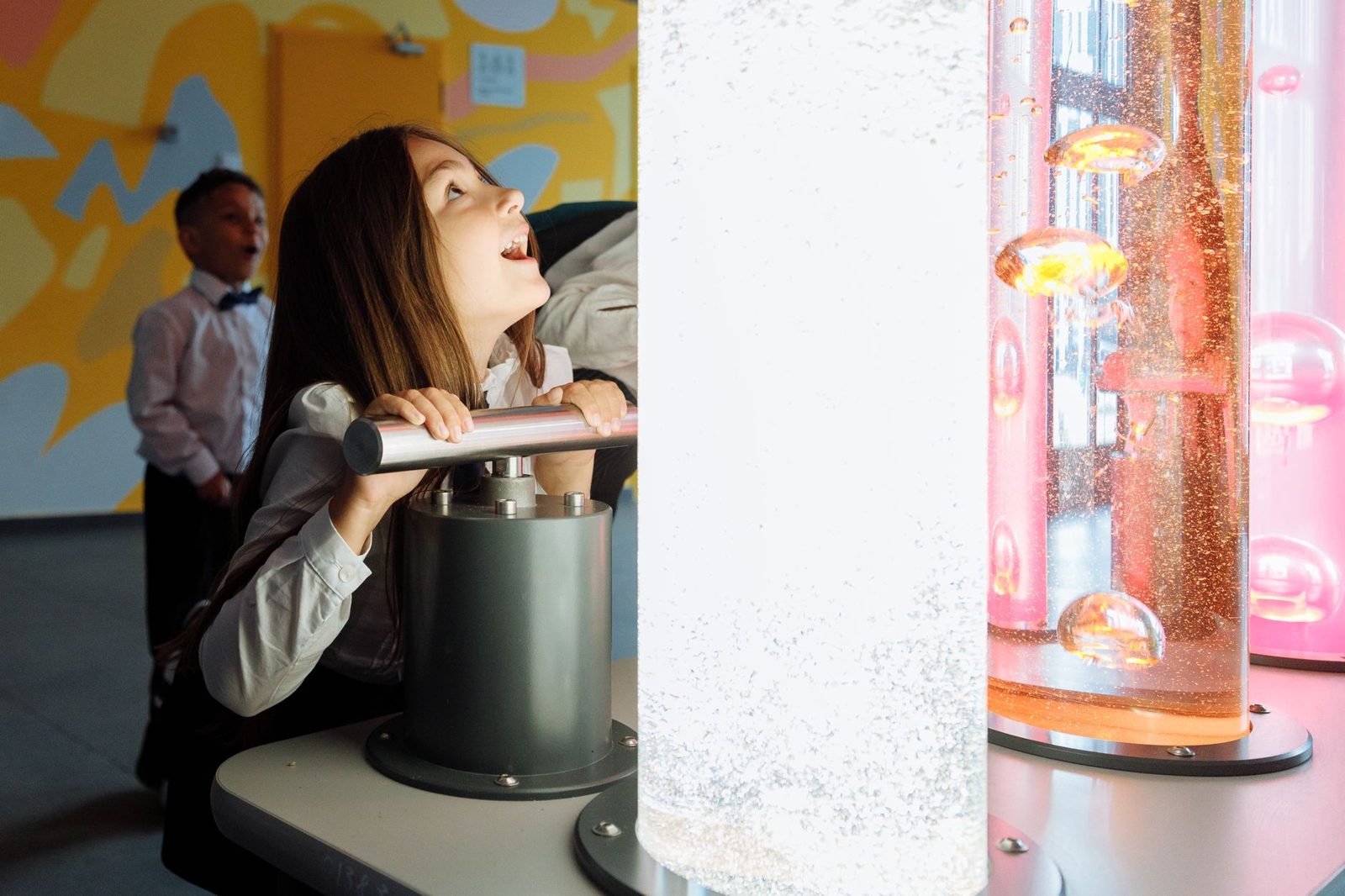
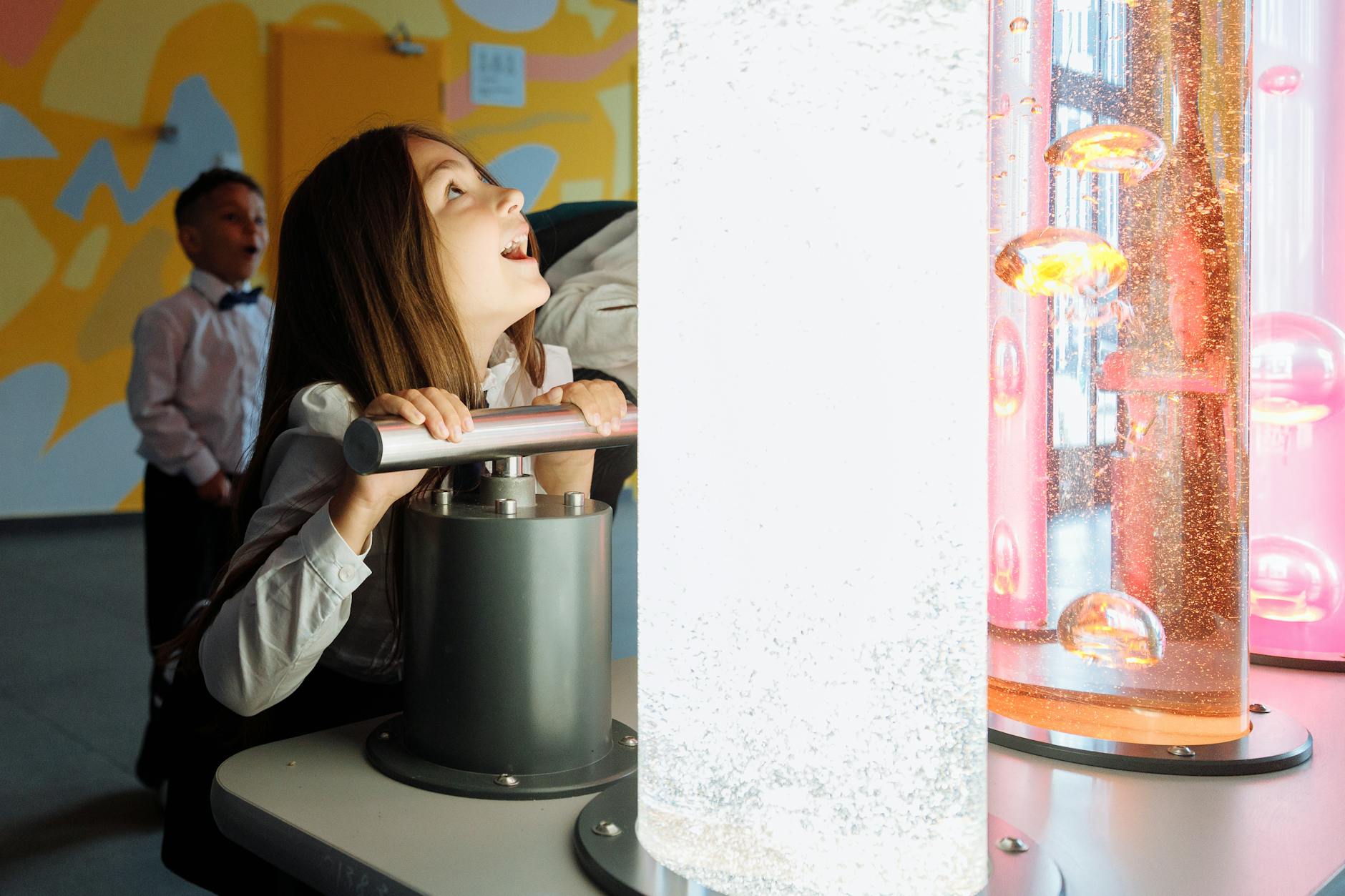
The Sci-Tech Discovery Center is a hands-on science museum built to spark discovery through science, math, and technology. Dozens of interactive exhibits reward touching, experimenting, and questioning, which makes it one of the best Frisco TX museums for families with kids of any age. Highlights include electricity and magnetism exhibits, an outdoor science garden, a maker space for building and creating, and rotating specials that keep repeat visits fresh. The mission is “mind-stretching fun,” and staff-led demonstrations throughout the day deliver on it.
Admission: $15 adults, $13 children (2–12) and seniors. Hours: Wednesday–Friday 10 AM–4 PM, Saturday 10 AM–5 PM, Sunday 12–5 PM.
TrainTopia: A Railroad Odyssey in Miniature
Also inside the Discovery Center, TrainTopia is a spectacular 2,500-square-foot G-scale model railroad that drops you into a miniature America of trains and scenery. Created by the Museum of the American Railroad, it’s packed with detail — tiny figures, working lights, realistic landscapes, trains running through mountain passes and across bridges. Kids and serious hobbyists both find something new every time they look.
Admission: $10 adults, $8 children and seniors.
Art Galleries & Black Box Theater
The Discovery Center also holds two art galleries showing local, regional, national, and international artists — admission to the galleries is always free. The intimate Black Box Theater hosts live plays, concerts, dance recitals, and community events throughout the year. It’s an easy, free way to add some culture to a science-and-gaming afternoon.
National Videogame Museum: Gaming History Comes Alive
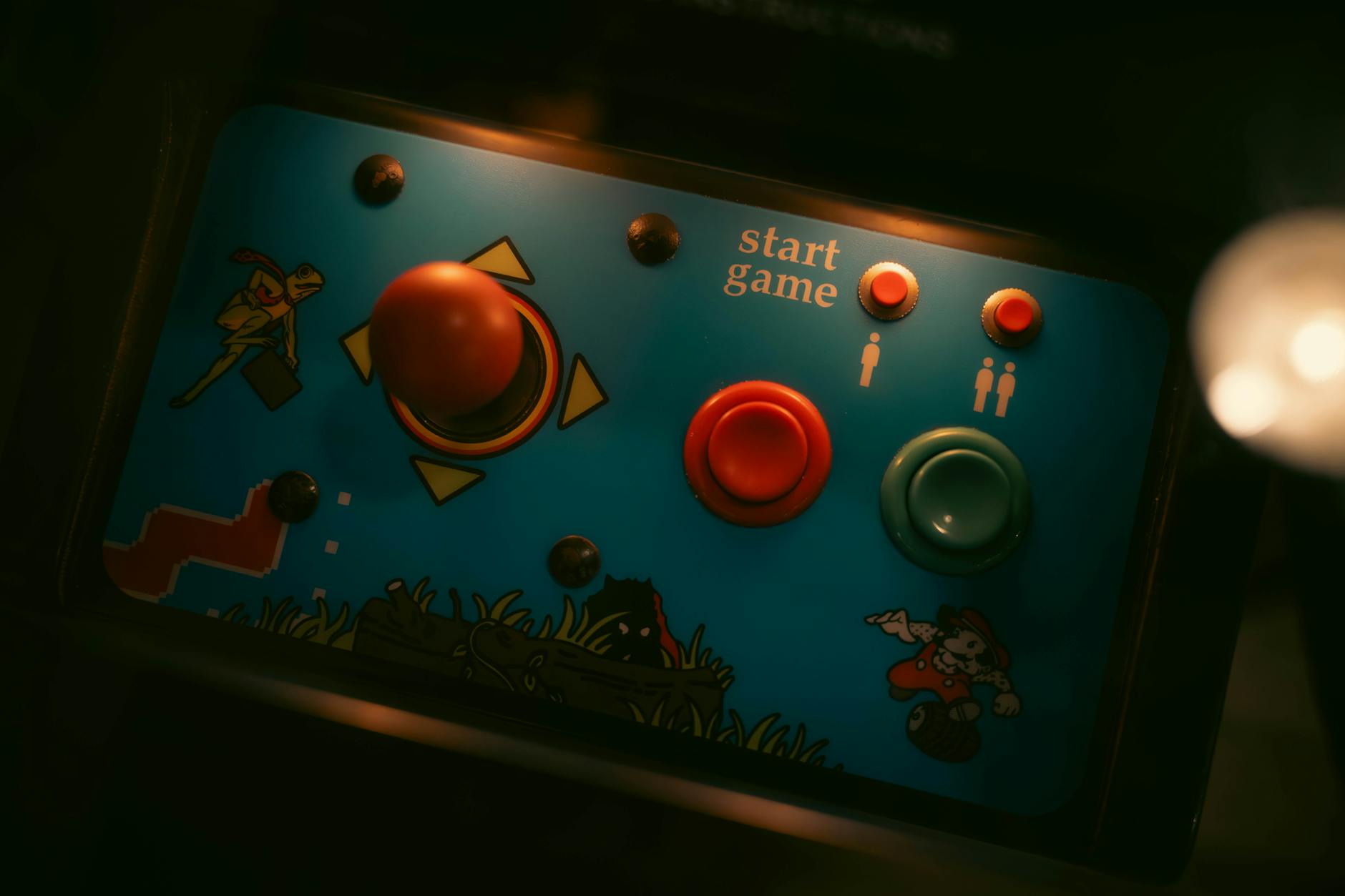
This one is a genuine original — there’s nothing else quite like it. Inside the Frisco Discovery Center, the National Videogame Museum houses more than 100,000 consoles, games, and artifacts spanning the entire history of the industry. It’s a nostalgia bomb for anyone who grew up with a controller in hand, and a revelation for kids seeing where it all started.
Interactive Exhibits
- 80s-themed arcade: a fully recreated 1980s arcade with classic cabinets, neon, and period décor. Tokens come with admission.
- 1980s bedroom recreation: a meticulous ’80s kid’s bedroom, complete with Star Wars bedsheets and a Nintendo Entertainment System.
- Head to Head Wall: play classic and modern versions of the same games side by side to feel gaming evolve in real time.
- Giant Pong: a massive, life-sized Pong you play with physical controllers on a giant screen.
- Evolution of controllers: trace the lineage from the simple Atari joystick to today’s wireless gamepads.
With 20 interactive exhibits total, it’s hours of entertainment, and it’s a favorite among Frisco TX museums for families with older kids and teens. The museum runs gaming tournaments, launch parties, and game-design workshops, and it’s a popular birthday and team-building venue with private party rooms. What sets it apart is the focus on culture, not just tech — the stories, communities, and creative leaps that made gaming one of the most influential mediums of our time.
Admission: $12 adults, $10 children (3–12) and seniors. Hours: Wednesday–Friday 10 AM–5 PM, Saturday 10 AM–6 PM, Sunday 12–5 PM.
National Soccer Hall of Fame: America’s Soccer Shrine
Even if you don’t follow soccer, the tech alone makes this worth an hour. The National Soccer Hall of Fame sits at Toyota Stadium, 19,350 square feet on the south end of FC Dallas’s home ground, blending traditional memorabilia with some of the most advanced interactive museum technology in the country. It even uses facial recognition to automatically tailor your visit as you move through the space.
What to Experience
- Hall of Fame Gallery: the stories and achievements of America’s greatest players through multimedia displays and historic artifacts.
- Interactive skills challenges: test your shooting accuracy, passing precision, and goalkeeping reflexes on high-tech exhibits.
- Virtual reality experience: step onto the pitch mid-match, roaring crowd and all.
- Historic memorabilia: jerseys, trophies, and equipment from World Cup campaigns and Olympic victories.
The whole thing is built to land for die-hards and casual visitors alike, and the interactive storytelling makes it one of the most entertaining museums in the city. The shop has genuinely good soccer souvenirs, too. Sports fans will want to pair this with our full guide to sports in Frisco, since the museum sits right in the heart of Sports City USA.
Admission: $15 adults, $12 children (5–12) and seniors, free under 5. Free on FC Dallas match days. Hours: Wednesday–Sunday, 10 AM–5 PM. Location: 9200 World Cup Way, Frisco, TX 75033.
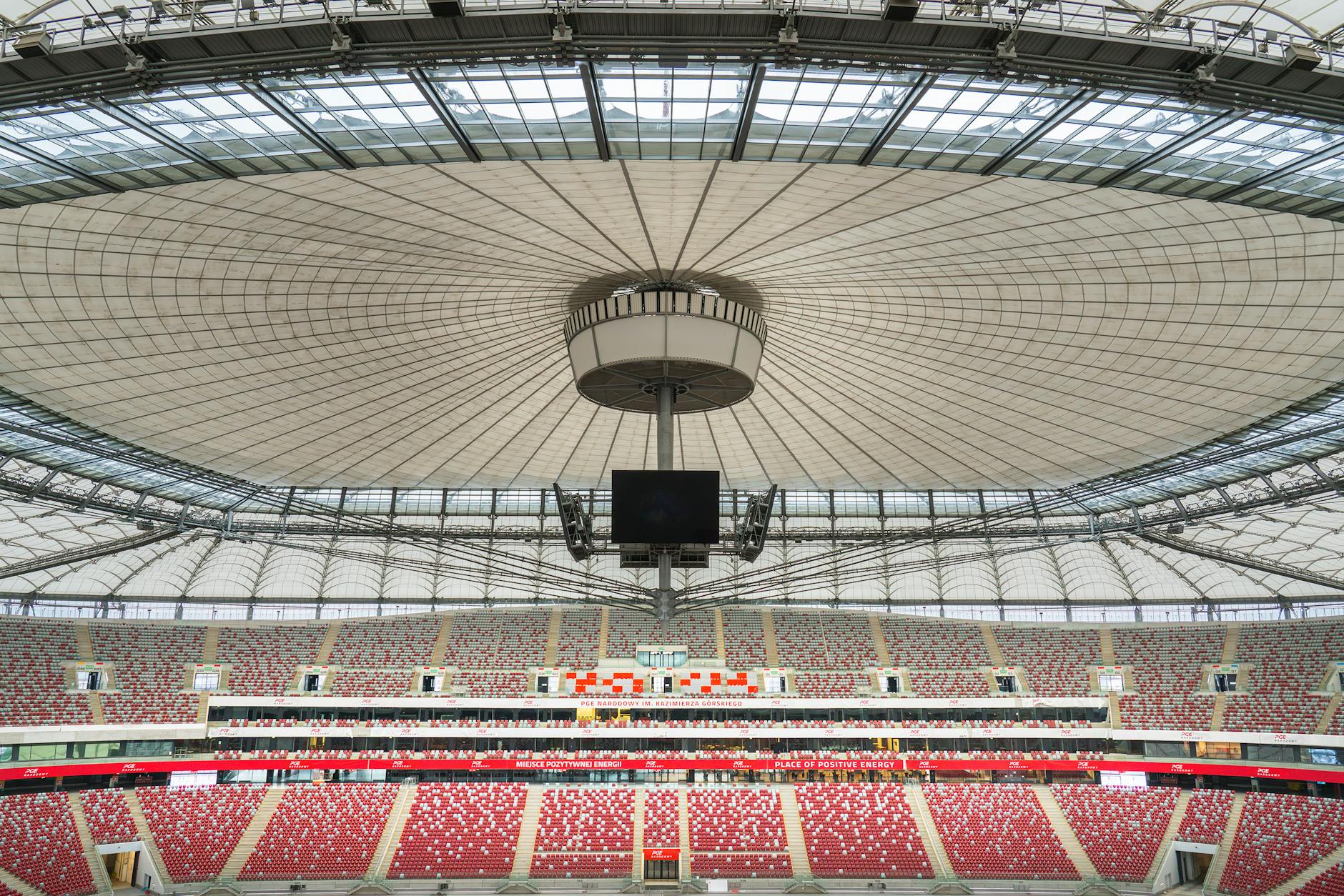
Texas Sculpture Garden at HALL Park: World-Class Outdoor Art
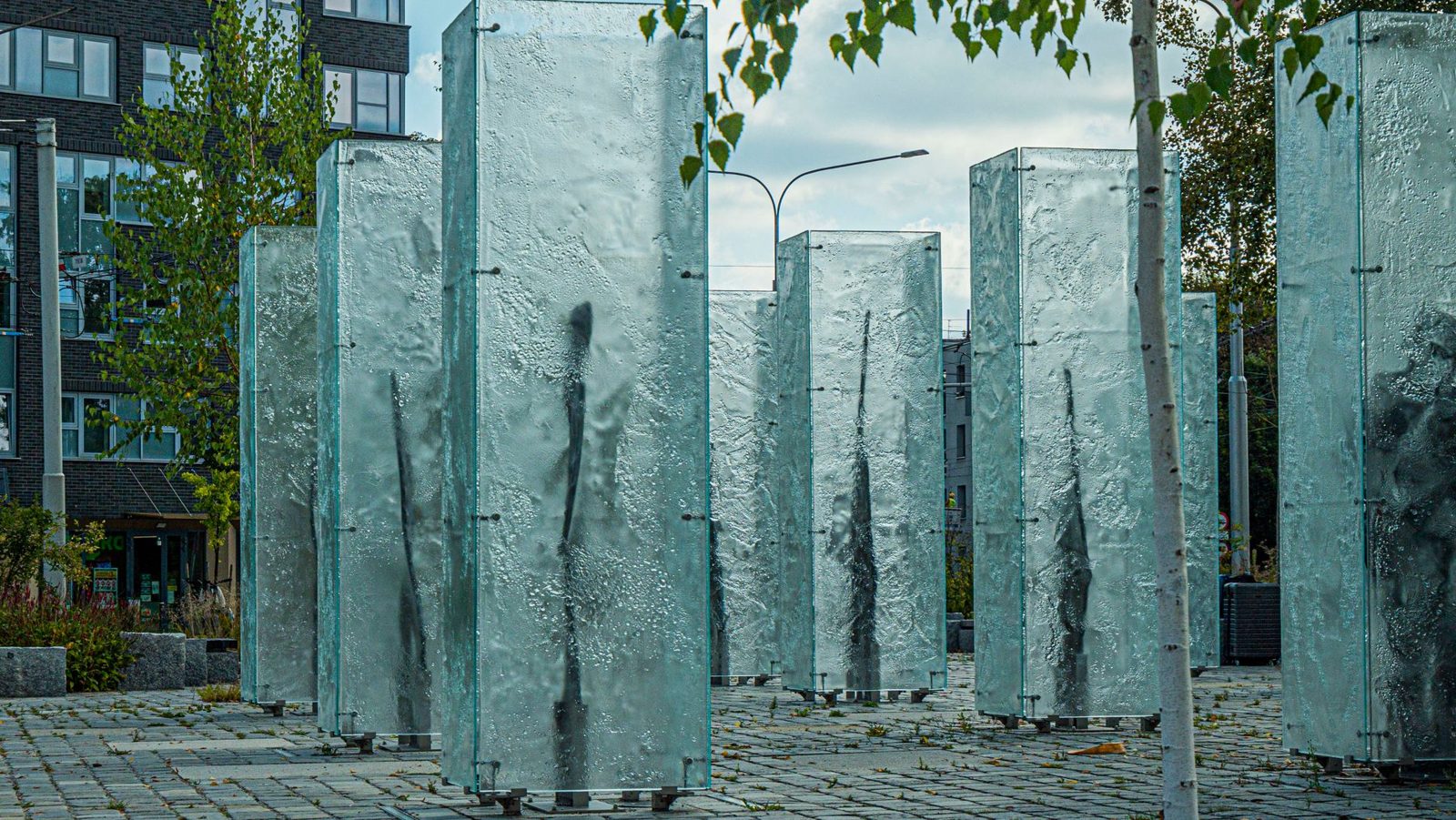
Go here early, coffee in hand, before the day heats up — it’s the most peaceful stop on the list. The Texas Sculpture Garden at HALL Park is recognized as the largest private collection of contemporary Texas sculpture ever assembled for the public, more than 40 works spread across the landscaped 162-acre HALL Park development, and it’s free.
What makes it special is how art and nature fold into each other. The sculptures sit among lakes, fountains, lush landscaping, and thoughtfully placed benches, ranging from monumental abstracts to figurative pieces by artists from big cities and small towns across Texas. The garden won the 2025 Texas Travel Award, which cemented its standing as one of the premier cultural destinations in the whole DFW metroplex. Photographers especially love it — the interplay of sculptural forms, natural landscapes, and shifting Texas light rewards early morning and golden hour visits.
Admission: Free (outdoor garden accessible 24/7; indoor collection weekdays 9 AM–5 PM). Location: 2323 HALL Park Blvd, Frisco, TX 75034.
Public Art & Art Galleries in Frisco
Beyond the formal museums, Frisco has quietly become a real public-art town. The headline piece is the Butterfly Rest Stop at Kaleidoscope Park — a massive 165-foot aerial sculpture by world-renowned artist Janet Echelman, suspended above the Arts Plaza and shifting with the wind. It’s one of the most dramatic works of public art anywhere in Texas, and it’s mesmerizing after dark when it’s illuminated. Visitors regularly lie on their backs beneath it to watch it dance overhead — an experience you won’t find elsewhere in the state.
Downtown Frisco‘s streets carry an evolving collection of murals and street art, and several independent galleries have opened in recent years as the city’s growing diversity enriches its creative scene. The city actively funds public art and partners with artists to keep it accessible. The Discovery Center galleries are a great free entry point, and commercial galleries in The Star District and Frisco Square host regular opening receptions. The Butterfly Rest Stop is also a highlight of our roundup of free things to do in Frisco.
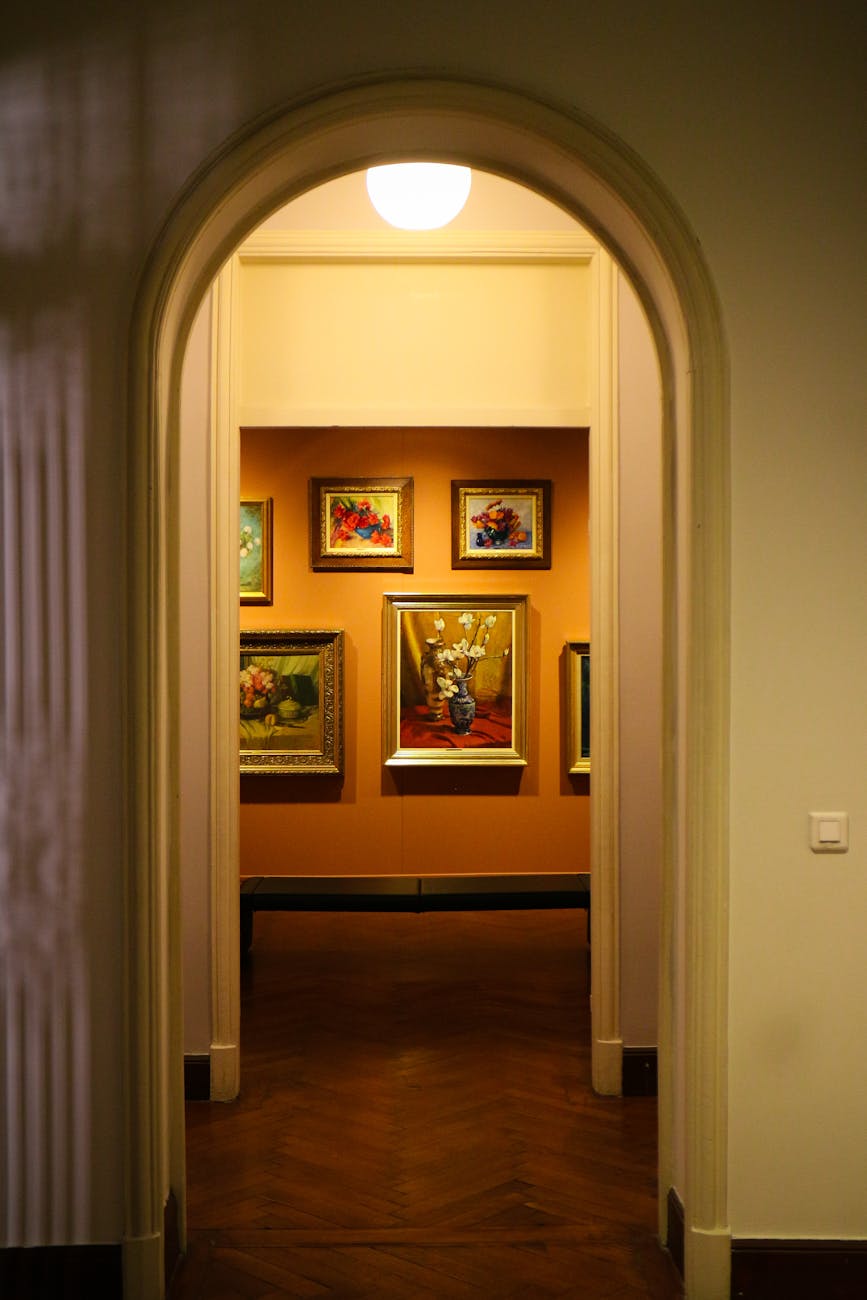
A Brief History of Frisco, Texas: From Railroad Town to Boomtown
Knowing the backstory makes every museum hit harder. The area was first settled in the 1840s as Lebanon, a small farming community. Everything changed in 1902 when the St. Louis–San Francisco Railway ran its line through, rerouting the town toward the tracks and renaming it in the railroad’s honor.
For most of the 20th century Frisco stayed quiet — the 1990 census counted just 6,138 residents. Then the growth went vertical: 33,714 by 2000, 116,989 by 2010, and over 230,000 today, driven by affordable land, excellent schools, strategic development, and major sports venues. Toyota Stadium (2005), The Star — Dallas Cowboys headquarters (2016), and PGA Frisco (2022) sealed the city’s reputation as a destination. The Frisco Independent School District, consistently ranked among the best in Texas, kept pulling families in, shaping a young, educated population.
Today’s Frisco is a genuine blend of old and new — you can walk from a restored 1800s log cabin at the Heritage Center to the gleaming architecture of The Star in minutes, covering 150 years of Texas history along the way. That the city has embraced explosive growth while keeping real respect for the people who came before is exactly what makes its cultural landscape so compelling. A 2018 voter-approved bond package put serious funding behind cultural facilities, and the museum scene you see today reflects that deliberate investment.
Notable Architecture & Landmarks
Frisco’s skyline shows off its ambition, running from carefully preserved 19th-century structures to sleek modern designs. A few landmarks are worth building into a cultural tour:
- The Star District: the 91-acre Dallas Cowboys world headquarters, with the 12,000-seat Ford Center, a sports therapy complex, and dining and entertainment venues.
- PGA Frisco: headquarters of the PGA of America, with two championship golf courses, the Omni PGA Frisco Resort, and a state-of-the-art performance center.
- Frisco Square: the walkable town center, a deliberate mix of residential, commercial, and civic buildings.
- Toyota Stadium: home to FC Dallas and the National Soccer Hall of Fame, a 20,500-seat soccer-specific stadium and a Frisco landmark since 2005.
Cultural Events & Performances
The cultural calendar runs year-round, and much of it is free:
- Music in the Square: a free outdoor concert series in Frisco Square during the warmer months.
- Frisco Festival of Arts: an annual celebration with live demonstrations, interactive activities, and original works for sale.
- Gallery openings: regular free receptions at the Discovery Center galleries and independent spaces.
- Heritage Center events: seasonal celebrations, holiday programs, and historical reenactments.
- Black Box Theater productions: live performances from community theater to professional touring shows.
For the full schedule, keep our calendar of events and festivals in Frisco handy and time your visit around whatever’s on.
Train lovers should carve out time for the Museum of the American Railroad in Frisco — our guide covers the giant locomotives, TrainTopia, and tour times.
Planning Your Frisco TX Museums Tour
The best part of doing this in Frisco is how close everything sits. Here’s a one-day route that flows well.
Suggested One-Day Itinerary
- Morning (9–11:30 AM): start at the Texas Sculpture Garden at HALL Park for a cool, quiet outdoor art walk before the heat.
- Late morning (11:30 AM–12:30 PM): drive to the Frisco Heritage Center for the Heritage Museum and railroad exhibits, then grab lunch nearby.
- Afternoon (1:30–4 PM): head to the Frisco Discovery Center for Sci-Tech, the National Videogame Museum, and TrainTopia — this is your big block.
- Late afternoon (4:30–5:30 PM): finish at the National Soccer Hall of Fame at Toyota Stadium.
Tips for Visiting
- Most Frisco TX museums are closed Mondays — plan for Tuesday through Sunday.
- The Heritage Museum and Texas Sculpture Garden are free, so they’re the budget backbone of any tour.
- Allow 60–90 minutes per major museum; the Discovery Center complex alone can fill 2–3 hours.
- Check each museum’s website for current hours, which can shift by season.
- The National Soccer Hall of Fame is free on FC Dallas match days — time it right and save the admission.
For families, the Sci-Tech Discovery Center and National Videogame Museum are the top-tier picks, and our Frisco family vacation guide maps the rest of a kid-friendly trip. Most museums cluster in a compact area, so a car is the practical way to hit several in a day, though Uber and Lyft are readily available. Many offer free parking, and the short distances keep transit time low. For the broader logistics, see our Frisco vacation planning guide.
On accessibility: the Heritage Museum, Discovery Center, and National Soccer Hall of Fame all meet ADA requirements with accessible entrances, restrooms, and exhibit spaces. The Texas Sculpture Garden has paved paths throughout, though some areas are uneven due to natural terrain. Call ahead with specific needs — staff are happy to arrange accommodations. As for timing, spring and fall are ideal for the outdoor attractions, summer works fine since most museums are air-conditioned, and winter brings smaller crowds plus special holiday programming. All told, these cultural stops slot neatly into the wider list of things to do in Frisco.
Interested in the local art scene? Our guide to art galleries and public art in Frisco TX covers the city’s galleries and its growing public art trail.
Frequently Asked Questions About Frisco TX Museums
What are the best museums in Frisco TX?
The top Frisco TX museums include the Frisco Heritage Museum (free, local history), the National Videogame Museum (100,000-plus gaming artifacts), the Sci-Tech Discovery Center (hands-on science), the Museum of the American Railroad (70-plus historic trains), the National Soccer Hall of Fame (interactive sports museum), and the Texas Sculpture Garden (40-plus outdoor sculptures, free).
Are there any free museums in Frisco Texas?
Yes. Several Frisco TX museums offer free admission: the Frisco Heritage Museum, the Museum of the American Railroad, the Texas Sculpture Garden at HALL Park, and the art galleries at the Frisco Discovery Center. The National Soccer Hall of Fame is also free on FC Dallas match days.
What museums in Frisco are best for kids?
The Sci-Tech Discovery Center is best for younger children, with hands-on interactive exhibits. The National Videogame Museum is a hit with older kids and teens. TrainTopia delights all ages with its massive model-train layout, and the National Soccer Hall of Fame has interactive skills challenges kids love.
What days are Frisco museums open?
Most Frisco TX museums are closed Mondays. The Heritage Museum is open Tuesday–Saturday 10 AM–5 PM, the Discovery Center complex is open Tuesday–Sunday with varying hours, and the National Soccer Hall of Fame is open Wednesday–Sunday.
How much time should I plan for visiting Frisco museums?
For a comprehensive tour, plan a full day. Allow 60–90 minutes each for the Heritage Museum, Soccer Hall of Fame, and Sculpture Garden, and 2–3 hours for the Discovery Center complex. A focused half-day covering two or three museums is also rewarding.
Explore More of Frisco, Texas
The museums are just one facet of what makes Frisco worth the trip. From an 1800s log cabin to a 165-foot flying sculpture, the city compresses 150 years of Texas history into a few square miles — and it’s genuinely one of the most compelling museum destinations in North Texas. Pair a culture day with the full list of things to do in Frisco TX, build a family vacation around the kid-friendly stops, and check the latest events and festivals happening during your visit. Start at the Heritage Museum, end wherever your curiosity takes you, and you’ll leave understanding how a quiet railroad stop became a world-class cultural destination.
Which Frisco Museum Fits Your Trip?
With seven strong options in a small radius, the smart move is to match the museums to who you’re traveling with rather than trying to see everything. Here’s how I’d steer different visitors.
History and railroad buffs should anchor the day on the Frisco Heritage Museum and the Museum of the American Railroad, both free and a short hop apart on Page Street. Between the two you’ll trace the exact chain of events that turned Lebanon into Frisco, then stand next to a 1.2-million-pound Big Boy locomotive that makes the abstract history feel enormous and real. Add TrainTopia at the Discovery Center and you’ve built a full railroad-themed day for very little money.
Families with young kids should make the Sci-Tech Discovery Center the centerpiece — it’s the one museum where the whole point is that children touch, break, rebuild, and ask why. The maker space and outdoor science garden buy you real time, and because it shares a building with the National Videogame Museum and TrainTopia, you can pivot between three very different experiences without a single kid meltdown in a hot parking lot.
Teens and nostalgic adults will get the most out of the National Videogame Museum, full stop. Giant Pong and the Head to Head Wall land equally well with a 14-year-old and the parent who remembers the original consoles, which makes it one of the rare stops that genuinely bridges generations.
Art lovers and photographers should give the morning to the Texas Sculpture Garden and swing by the Butterfly Rest Stop at Kaleidoscope Park in the evening when it lights up. Both are free, both are outdoors, and both photograph beautifully in the low, golden Texas light at either end of the day.
Sports fans have an easy call in the National Soccer Hall of Fame, especially if you can line the visit up with an FC Dallas match and walk in free. The interactive skills challenges alone justify the stop even if soccer isn’t your sport.
Getting Great Value from Frisco’s Museums
One of the underrated things about the museum scene here is how far a modest budget stretches. A family of four could spend an entire morning across the Heritage Museum, the Museum of the American Railroad grounds, and the Texas Sculpture Garden without paying a cent in admission — three substantial, genuinely worthwhile stops for the price of parking. That’s rare, and it’s a big part of why Frisco punches above its weight for cultural tourism.
Even the paid museums are reasonably priced next to comparable institutions in Dallas and Fort Worth. If you’re building a full day, the value play is to bookend free outdoor stops (sculpture garden in the morning, Butterfly Rest Stop at dusk) around a paid indoor block at the Discovery Center in the heat of the afternoon. You get shade and air conditioning exactly when you need them, and you concentrate your spending into the single stretch of the day where it buys the most — hours of hands-on exhibits across three museums under one roof. Time a soccer match right and the Hall of Fame goes free too, which can knock another chunk off a family’s total.
Making It a Full Culture Weekend
If you have more than a single day, Frisco’s museums slot naturally into a broader weekend of history and culture. Spread the seven institutions across two mornings instead of cramming them into one, and use the afternoons for the city’s other landmarks — a self-guided architecture loop through The Star District and Frisco Square, an evening under the glowing Butterfly Rest Stop, or a stroll through the restored 1800s structures on the Heritage Center grounds. The pacing is gentler, the kids hold up better, and you actually absorb the stories rather than speed-walking past them.
A two-day cultural weekend also leaves room to fold in the rest of the city. The museums sit within easy reach of Frisco’s top sights, so it’s simple to build a half-day of culture around lunch, shopping, or a ballgame — the Heritage Museum and Museum of the American Railroad are a short drive from most of the marquee stops on our list of the top attractions in Frisco TX. However you sequence it, the throughline holds: this is a city that turned a single railroad line in 1902 into a genuine cultural destination, and its museums are the best place to watch that whole improbable story unfold.