The first time I sent an out-of-town friend to “go see some art in Frisco,” she called me confused an hour later. She’d expected one building. Instead she found a converted warehouse with two free galleries, a 12-foot bronze pitcher outside a minor-league ballpark, a horse made of stone at a neighborhood park, and a butterfly the size of a school bus hanging over a plaza. That’s Frisco’s art scene in a nutshell: spread out, mostly free, and easy to miss if nobody tells you where to look.
Art galleries in Frisco TX center on two free public galleries inside the Frisco Discovery Center, a member-run exhibition space called thegallery8680, and a genuinely large public art collection — more than 80 city-owned pieces plus the privately owned Texas Sculpture Garden at HALL Park — scattered through parks, plazas and municipal buildings citywide. Most of it costs nothing and pairs well with a half-day of Frisco’s history, culture and museums.
None of it is concentrated in one “arts district” the way you’d find in a bigger city, so this guide is really a map: where the galleries are, which public art pieces are worth the drive, and how to string a few stops into an afternoon.
Art in Frisco at a glance
| Where | What it is | Cost / hours (2026 — check current) |
|---|---|---|
| Frisco Discovery Center galleries | Grand Gallery + Community Gallery, rotating exhibitions | Free. Tue–Fri 10–5, Sat 10–6, Sun 12–5, closed Monday |
| thegallery8680 | Member-run exhibition space, local/regional artists | Free; open by appointment and for scheduled shows |
| Texas Sculpture Garden, HALL Park | 40+ contemporary sculptures by Texas artists on 4 private acres | Free. Exterior daily dawn–dusk; interior works weekdays 9–5 |
| Kaleidoscope Park | 5.7-acre park anchored by the “Butterfly Rest Stop” installation | Free. Open daily, roughly 6 a.m.–11 p.m. |
| City Public Art Trail | 80+ commissioned sculptures across parks & civic buildings | Free, always accessible outdoors |
| Best for | A free half-day, photographers, families, anyone doing a Frisco culture crawl | |
| Time needed | 1–1.5 hrs for the galleries; 2–3 hrs if you add the sculpture trail | |
The Frisco Discovery Center: the city’s real gallery hub
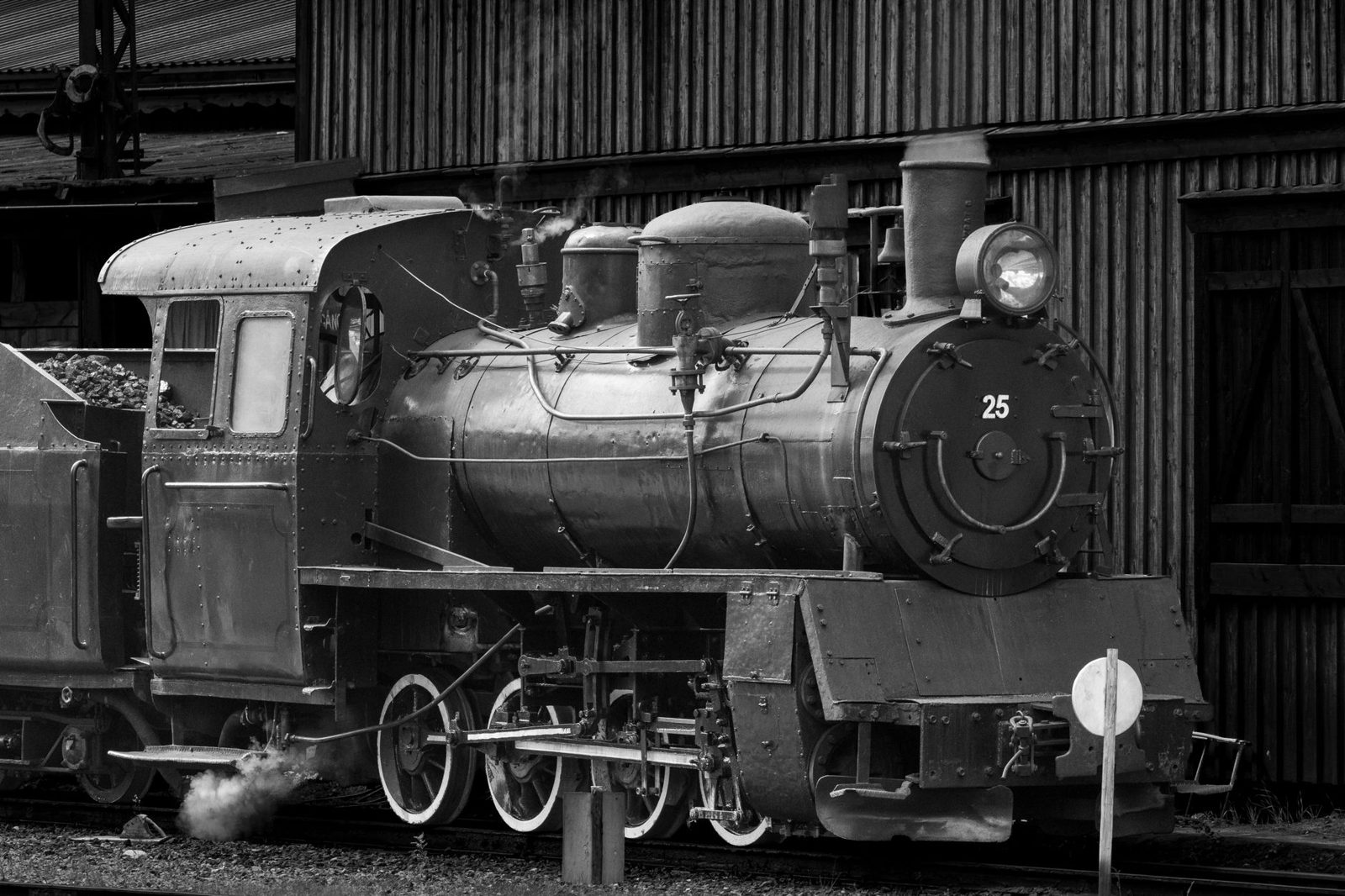
If you only have time for one stop, make it the Frisco Discovery Center at 8004 N. Dallas Parkway. It’s the same converted-warehouse building that also houses the Museum of the American Railroad’s TrainTopia exhibit, but the two art galleries inside are run separately by the city’s Play Frisco Cultural Affairs division, and admission to them is always free — no ticket required, no combined pass to buy.
Grand Gallery
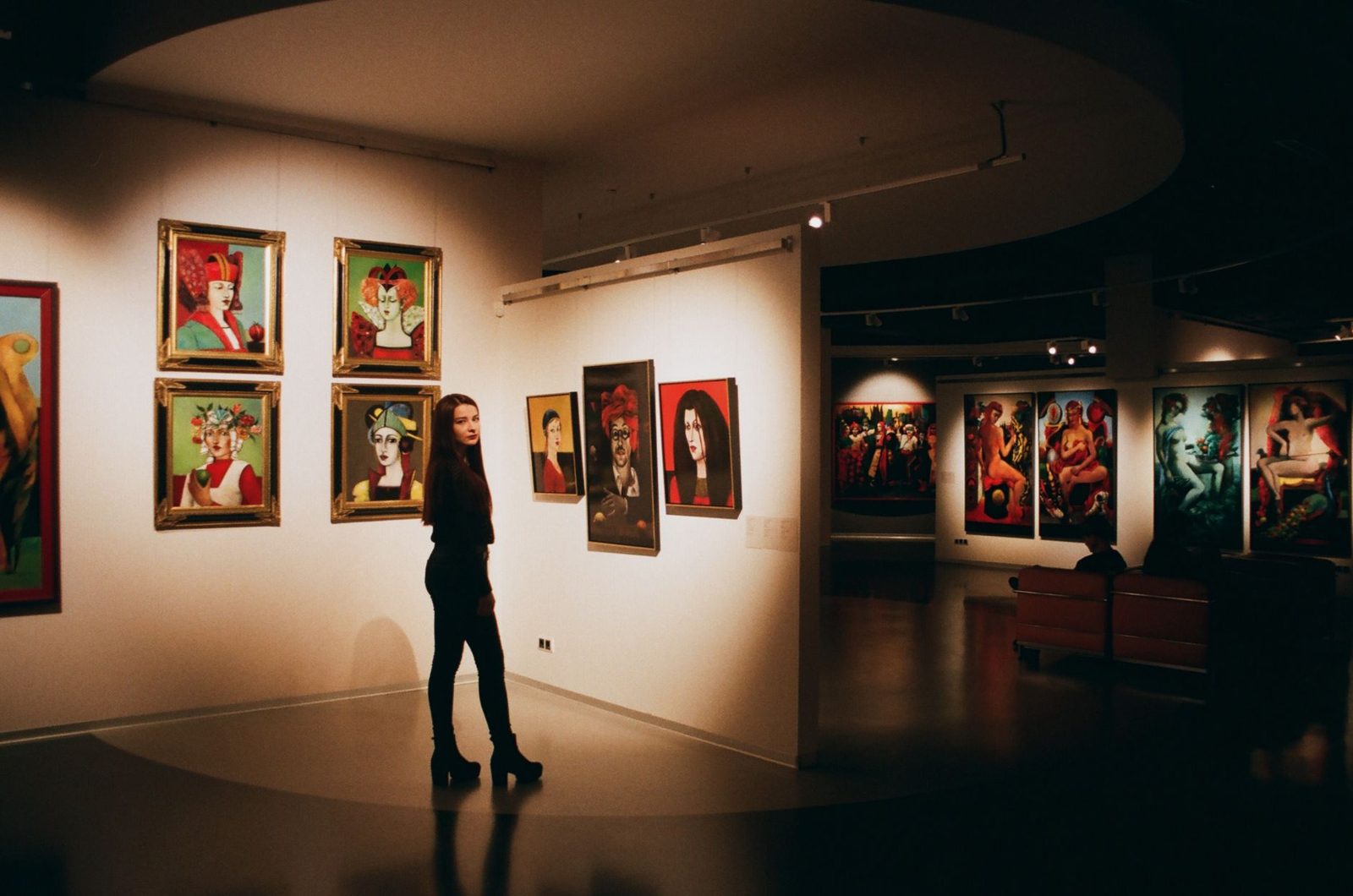
Built in 2023, the Grand Gallery is the larger of the two spaces and runs on an Arakawa rail-and-cable hanging system that lets curators reconfigure the room for anything from a solo photography show to sculpture installations. It’s invitation-only for exhibiting artists — Play Frisco staff curate the calendar — so what’s on the wall changes several times a year. Past and rotating shows have included the Frisco ISD Faculty Art Showcase and the “Art in the Atrium” exhibition normally hosted at the George A. Purefoy Municipal Center.
Community Gallery
The smaller Community Gallery is where local and regional artists get monthly solo or group shows. As of 2026, renting the space runs around $325 a month, with a separate hourly rate near $35 for an opening reception — and the city takes no commission on anything sold, connecting buyers directly with the artist. That’s part of why the room turns over constantly; check the city’s art exhibitions page before you go if you want to see a specific show rather than whatever’s currently hanging.
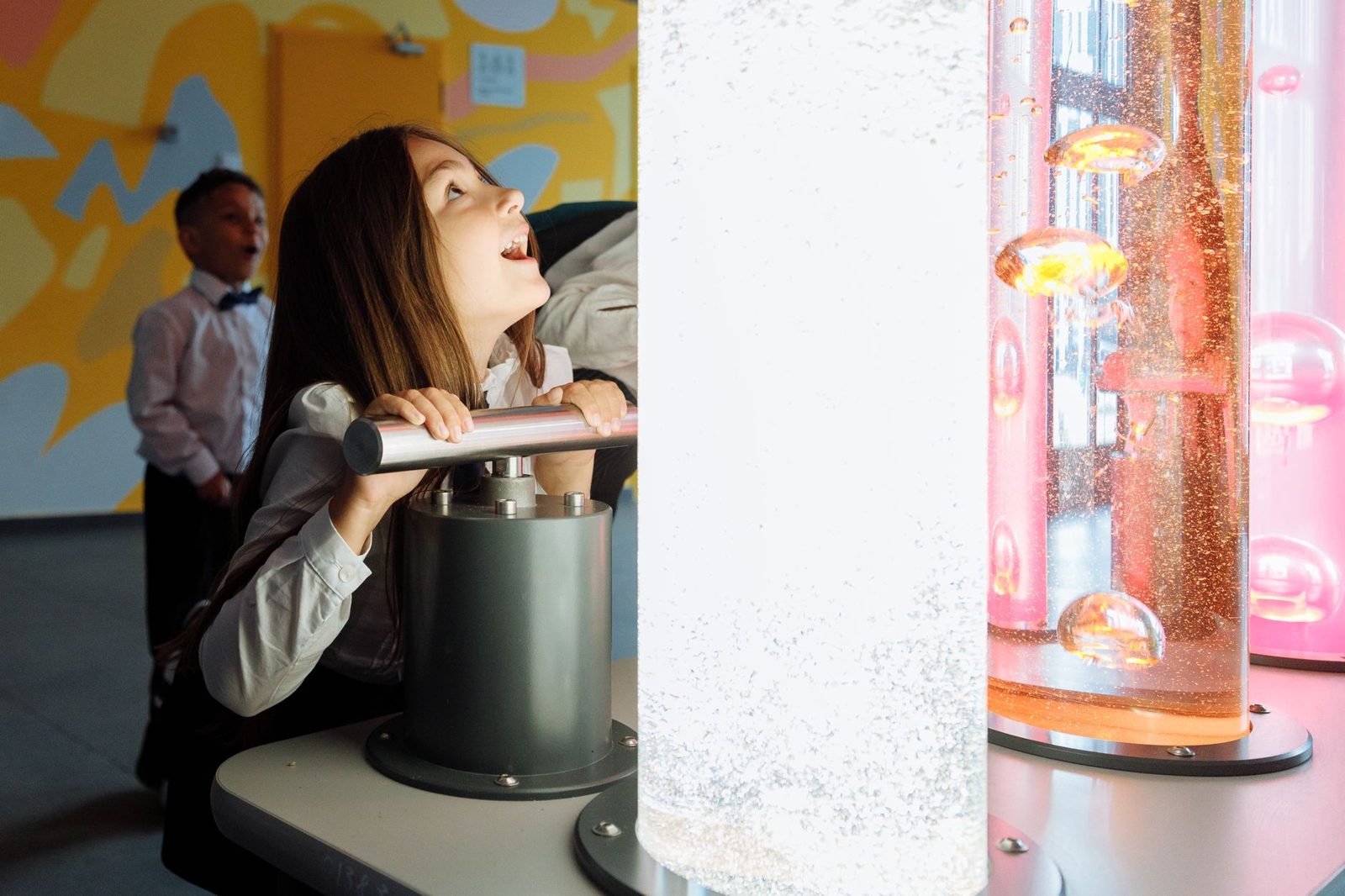
Bring 60–90 minutes for both rooms. Because the building also holds the Sci-Tech Discovery Center and the National Videogame Museum, families often split up here — kids hit the hands-on exhibits while the adults get an actual gallery walk. If you’re making a day of the whole complex, read the full Frisco Discovery Center visitor guide first; each tenant sells its own tickets and keeps its own hours, which trips people up.
thegallery8680: the local artists’ living room
Tucked into a small commercial suite at 8680 Main St., Suite E1, thegallery8680 has been Frisco’s independent, artist-run exhibition space since Robyn Parker Feehan founded it in 2009. It’s smaller and scrappier than the Discovery Center rooms, and that’s the appeal — this is where the Visual Arts Guild of Frisco (VAGF) holds its monthly meetings and where single-artist shows and workshops happen on a tighter, more personal scale.
The guild itself has grown fast. VAGF president Suad Bejtovic told Local Profile the organization has roughly quadrupled its membership over the past three to four years and now represents close to 400 artists across mediums, drawing members from Frisco and neighboring cities. If you want to catch Frisco’s art scene while it’s actually happening — an opening reception, a themed juried show like the guild’s long-running “RED” exhibition — this is the venue to watch, since the schedule moves around appointments and scheduled openings rather than fixed public hours.
Frisco’s Public Art Trail: sculpture without a ticket
This is the part first-timers underestimate. Since Frisco City Council passed a Percent for Art ordinance in 2002 — requiring a share of capital project funds to go toward commissioned public art — the city has built one of the largest municipal art collections in North Texas: more than 80 pieces, all outdoors, all free, all the time. You don’t plan a special trip so much as notice them while you’re already out doing something else.
Cattle Drive — Kathy Seei Park (Frisco Bridges)
The most photographed piece on the trail. Anita Pauwels’ bronze longhorn herd, installed in 2003, sits in a 7.3-acre park that developer Gaylord Properties intentionally shaped like a longhorn. It’s a tribute to the Shawnee Trail, the first north-south cattle route through this part of Texas, and the walkways and water features around it make it a genuinely nice place to walk regardless of the art.
The Pitch — outside Riders Field
A 12-foot bronze by Gail Folwell, commissioned after a national competition and later selected for the National Art Museum of Sports’ 2010 exhibition. It’s a mid-windup pitcher frozen at the front gate of the ballpark — easy to combine with a game if you’re already headed to see the RoughRiders.
Frisco’s First — Frisco Square
David Allan Clark’s life-sized 1900s farmer grabbing the front of a train engine stands outside the George A. Purefoy Municipal Complex. It marks the arrival of the railroad on March 20, 1902 — the event that put Frisco on the map in the first place — and the engine’s design is based on an actual photo of that first train.
Prairie Bells and Transparent Strength — Municipal Center area
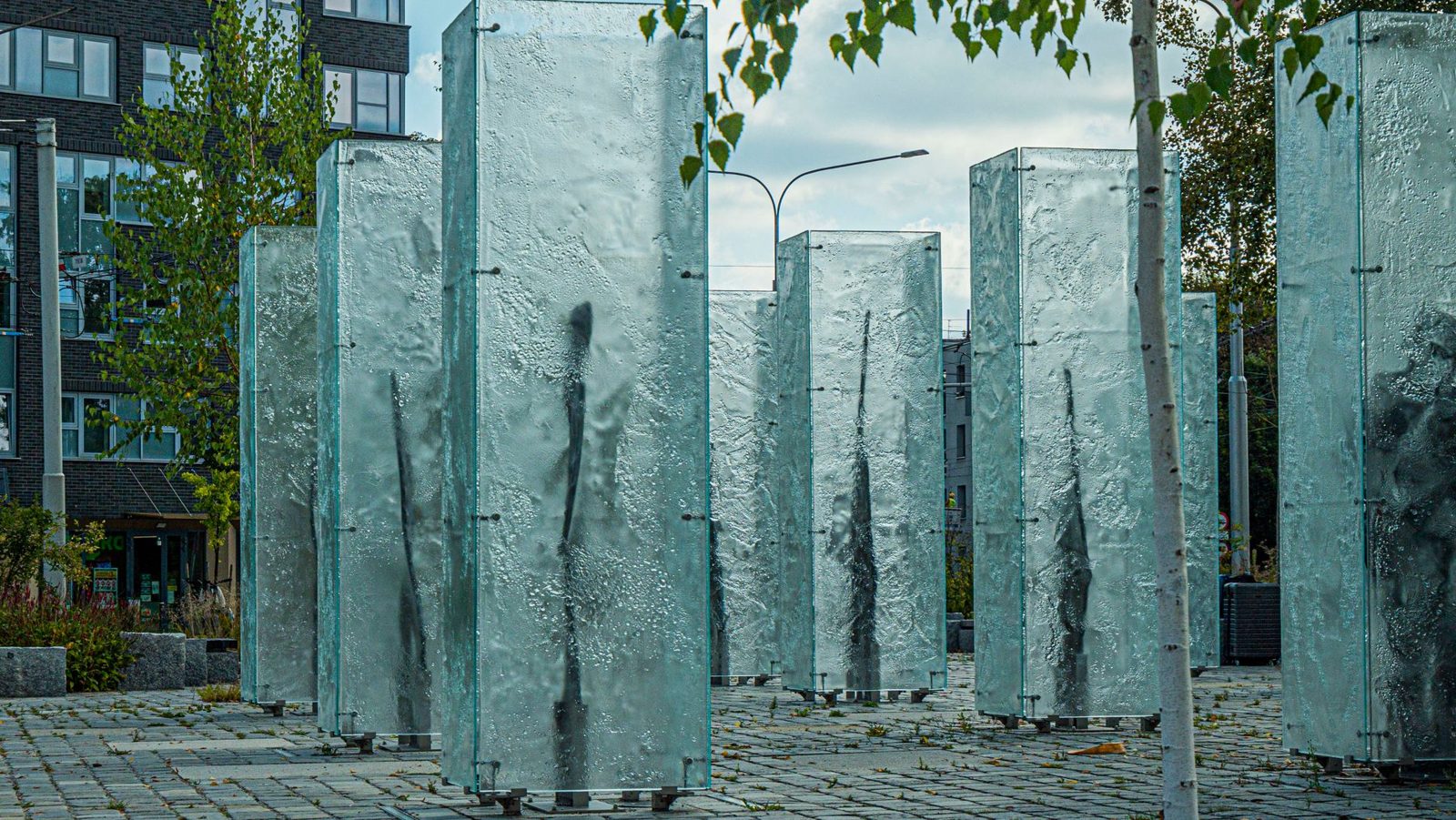
Bill Buchen’s kinetic bell tower on the west side of the Municipal Center marks each year since Frisco’s 1902 founding with wind-responsive vanes that throw color around during the day and light up at night. A short walk away, outside the Frisco Police Department, Damion Priour’s Transparent Strength pairs polished industrial glass with 60-million-year-old fossil limestone as a memorial to a fallen Frisco officer — a quieter, more somber piece worth slowing down for.
Spirited and Faithful, Poems, and Cloudscape
Robin Brailsford’s 7-foot quartzite horse and covered wagon in J.C. Grant Park honors the pioneers who settled the area; Brailsford has two more LithoMosaic pieces elsewhere in the collection. Over at J.R. Newman Park, John Runnels’ Poems sandblasts verse directly into the sidewalk — one of the collection’s most overlooked pieces because you’re meant to walk right over it. And on the newer end, Joshua Wiener’s Cloudscape — 25 leaning 14-foot aluminum poles inspired by a rain sketch — sits in a meadow at Harold Bacchus Community Park near the walking bridge over West Rowlett Creek.
The full collection runs to more than 80 pieces citywide, so treat this list as a starter, not the whole trail. Several sit inside or near the city’s parks and green space, which makes a sculpture stop an easy add-on if you’re already walking or biking Frisco’s trails.
Texas Sculpture Garden at HALL Park
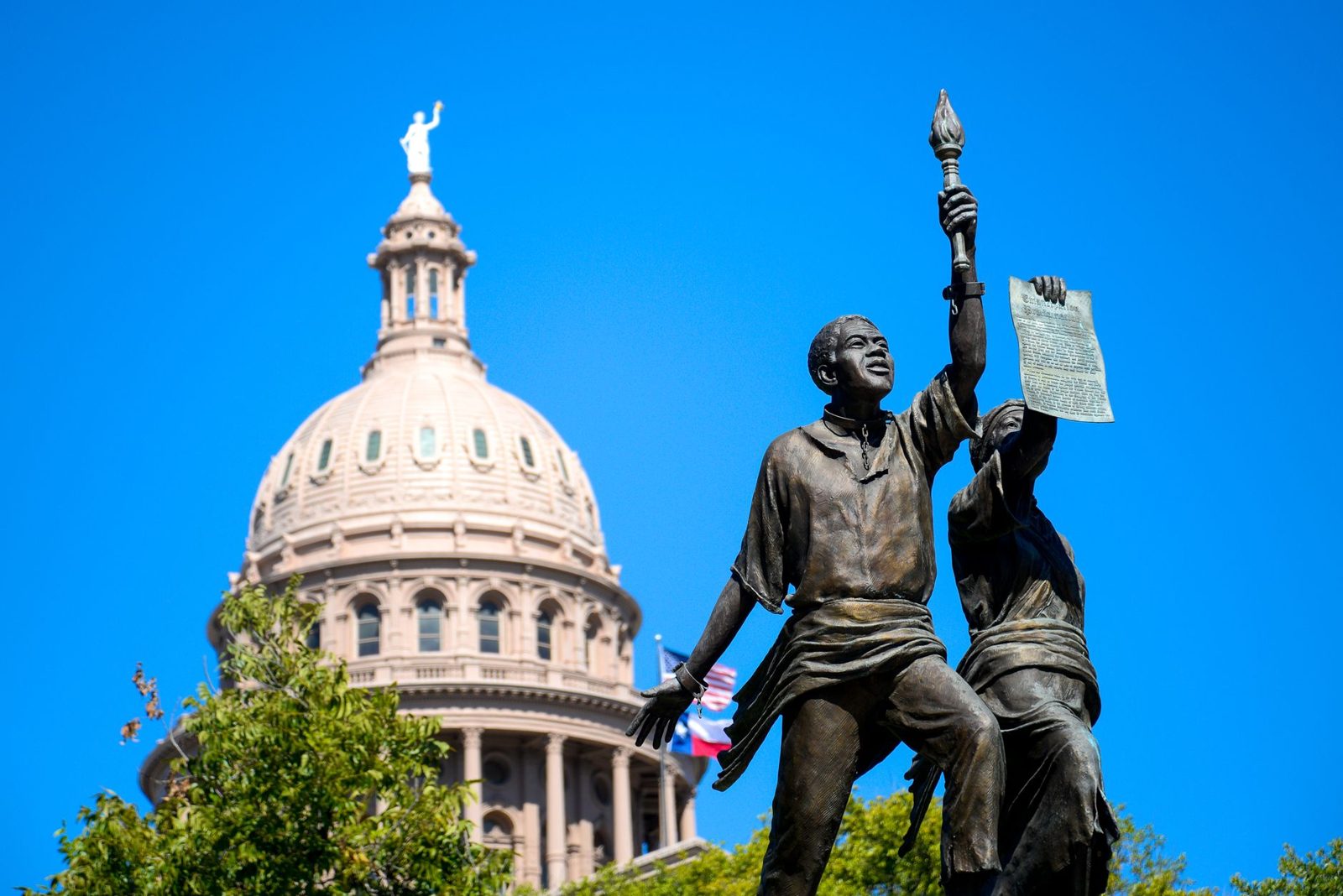
This one is privately owned, not city-run, and it’s the most concentrated single dose of sculpture in Frisco. HALL Group developer Craig Hall dedicated the front four acres of his 162-acre HALL Park development (6801 Gaylord Parkway) to a collection of more than 40 contemporary works, all by artists living and working in Texas — from Houston, Dallas, San Antonio and Austin down to small towns like Sanger, Bolivar and Ovilla. Curator Patricia Meadows worked with Hall to select the pieces, and specialty contractors built custom pedestals and settings for each one, with lakes, fountains and landscaped paths woven through.
It’s billed as the largest private collection of contemporary Texas sculpture ever assembled and opened to the public, and — this is the detail people miss — it really is open to the public, free, no appointment needed. The exterior collection is accessible daily from dawn to dusk; the indoor works keep office hours, roughly weekdays 9 a.m. to 5 p.m., since they’re inside HALL Park’s working office buildings. Grab the printed collection map if the office is open, or just wander; the garden is compact enough to see in 45 minutes to an hour.
Kaleidoscope Park and the Butterfly Rest Stop
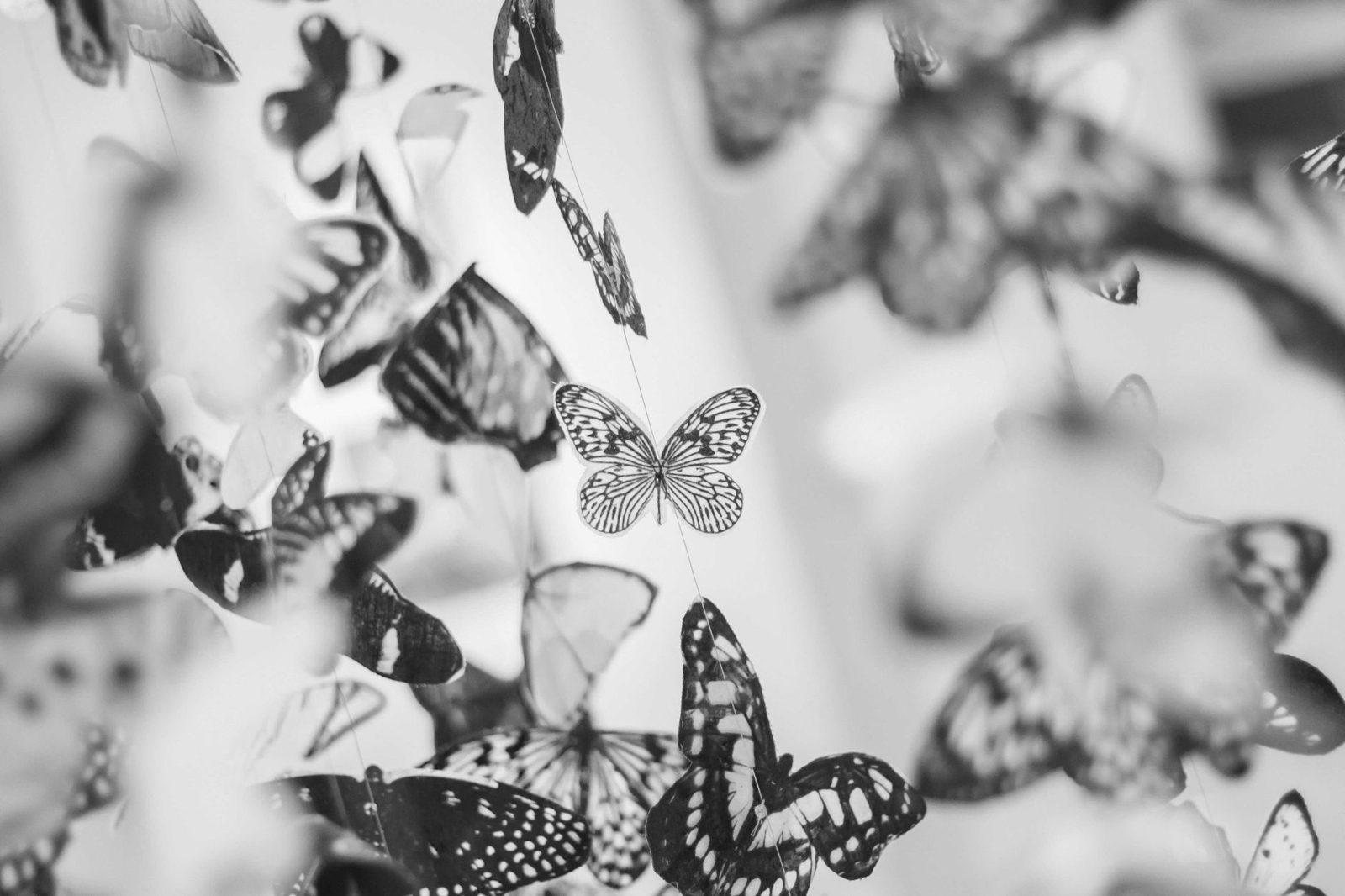
The newest addition to Frisco’s public art story opened October 4, 2024: Kaleidoscope Park, a 5.7-acre space at 6635 Warren Parkway built as a hub for arts, culture and community events. Its centerpiece, Butterfly Rest Stop, is a roughly 3,400-pound aerial net sculpture by internationally known artist Janet Echelman, suspended over the park’s Arts Plaza and spanning close to 200 feet. The form nods to the monarch butterfly migration that passes through this part of Texas each fall, and it shifts from soft daytime color to a glowing neon presence after dark — genuinely one of the better free things to photograph in the city at dusk.
The park is open daily, roughly 6 a.m. to 11 p.m., and it doubles as the start and finish line for the Frisco Arts Foundation’s annual Arts Walk and Run every fall — worth timing a visit around if you want the park at its liveliest. It’s an easy pairing with a broader weekend itinerary in Frisco, especially if you’re already treating the trip as a free or low-cost visit.
Who runs Frisco’s art scene
Two organizations are worth knowing if you want to catch the scene in motion rather than just the static pieces. The Frisco Arts Foundation (3201 Dallas Parkway, Suite 200-211) has supported local arts since 1996 and distributed a little over $302,000 in grants in a recent year — up from about $175,000 in 2018 — funding everything from exhibitions to cultural celebrations across the city. The Visual Arts Guild of Frisco, mentioned above, runs juried shows at the Discovery Center (including the “Crème de la Crème” exhibition each fall) and partners with the city on En Plein Air Frisco, an outdoor painting event held each spring where you can literally watch artists work in city parks.
Neither organization runs a public storefront gallery of its own, but both feed the calendar at the venues above — so if a specific show or artist interests you, their event listings are the place to check before you drive over.
En Plein Air Frisco, now in its third year, is worth building a trip around if you like watching process as much as product: painters set up easels in city parks over a spring weekend (recent dates have landed around late April) and work outdoors while visitors wander through. It’s organized by VAGF in partnership with the city, and unlike a finished-show gallery visit, you get to see the decisions happen in real time — which brush, which color, why that shadow gets simplified. Check the current-year dates before you plan around it, since the weekend shifts slightly year to year.
Between the foundation’s grant funding, the guild’s growing roster, and the Discovery Center’s rotating calendar, the practical effect for a visitor is that Frisco’s gallery walls rarely sit still for long. A show you loved in spring probably won’t be up in fall. If a specific exhibition or artist matters to you, that’s the one thing worth confirming by phone or online before you drive over — everything else on this list is stable enough to just show up.
A half-day art loop, if you want a plan
Here’s the order I’d actually run this in, starting downtown and working outward:
- 9:30 a.m. — Frisco Square. Free street parking, cool morning light. Find Frisco’s First outside the Municipal Complex, then walk the short block to Prairie Bells and Transparent Strength near the Police Department. Fifteen minutes, easy.
- 10:15 a.m. — Frisco Discovery Center. A ten-minute drive north on Dallas Parkway. Walk both galleries — Grand and Community — at an unhurried pace. If you brought kids, this is the split-up point: gallery time for adults, Sci-Tech or the videogame museum for everyone else.
- 12:00 p.m. — Lunch break near the Rail District or Frisco Square before the afternoon heat sets in, especially April through September.
- 1:00 p.m. — HALL Park’s Texas Sculpture Garden. A short drive southwest. Budget 45 minutes to an hour; bring water if it’s summer, since the exterior collection is uncovered.
- 2:15 p.m. — Kaleidoscope Park. Close by. The Butterfly Rest Stop reads differently in afternoon light than at dusk, so if you can swing back after dinner, it’s worth the second look after dark.
That’s a full but unrushed day, entirely free, with no tickets to buy in advance. Cut the sculpture garden or Kaleidoscope Park if you’re tight on time — the Discovery Center and Frisco Square alone make a solid two-hour version.
Planning your art stops
Getting there and parking: The Discovery Center and thegallery8680 both have free surface parking. HALL Park and Kaleidoscope Park are a short drive apart off the Dallas North Tollway corridor, so a loop hitting all three in one afternoon is realistic if you’re coming from anywhere in the Frisco area on a family trip — see how to get to Frisco for DFW-area routes.
Best time to go: Outdoor pieces are a year-round option, but Texas summers make midday brutal for a walking sculpture tour — go early morning or after 6 p.m. when the heat breaks, which is also when Butterfly Rest Stop looks best lit. For indoor galleries, weekday afternoons are quietest. Check Frisco’s best time to visit by month if you’re building this around a bigger trip.
What to book ahead: Nothing, honestly — that’s the appeal. The galleries, the sculpture garden and the public art trail are all walk-up and free. The only thing worth checking in advance is current exhibition listings if you want to see a specific show rather than whatever happens to be up.
What to skip if you’re short on time: Don’t try to chase all 80+ public art pieces in one visit. Pick one cluster — the Discovery Center galleries plus Frisco Square’s Frisco’s First and Prairie Bells, or the Texas Sculpture Garden plus Kaleidoscope Park — rather than zig-zagging across the city.
Combine it with: A stop at the Frisco Rail District pairs naturally with a gallery day — it’s a walkable pocket of boutique shops close to downtown. Families can extend the day at one of Frisco’s best playgrounds and parks for kids, several of which sit near public art pieces on this list. And if you’re planning around a specific season, cross-check Frisco’s holiday events calendar — some art venues run special programming around Christmas and Thanksgiving.
Frequently asked questions
Are Frisco’s art galleries free to visit?
Yes. The Frisco Discovery Center’s Grand Gallery and Community Gallery are always free, as are the Texas Sculpture Garden at HALL Park and every piece on the city’s public art trail. thegallery8680 doesn’t charge admission either, though it’s smaller and works more on an appointment and scheduled-show basis than fixed public hours.
What is the biggest public art collection in Frisco?
The City of Frisco’s own collection, built through a Percent for Art ordinance since 2002, runs to more than 80 commissioned pieces across parks, plazas and civic buildings — one of the largest municipal art collections in North Texas. The privately owned Texas Sculpture Garden at HALL Park adds more than 40 additional contemporary works on top of that.
Where is the butterfly sculpture in Frisco?
That’s Butterfly Rest Stop by Janet Echelman, suspended over the Arts Plaza at Kaleidoscope Park, 6635 Warren Parkway. It opened with the park in October 2024 and is one of the largest outdoor public art installations in Texas.
Can I see art in Frisco with kids?
Yes — the Discovery Center galleries share a building with the Sci-Tech Discovery Center and National Videogame Museum, so families often split up for an hour without leaving the complex. The outdoor sculpture trail is stroller-friendly and free, and Kaleidoscope Park has open lawn space alongside the art.
Is HALL Park’s Texas Sculpture Garden really open to the public?
Yes, despite being privately developed. The outdoor collection is accessible daily from dawn to dusk with no ticket or appointment required; the indoor pieces keep roughly weekday office hours since they sit inside HALL Park’s business buildings.
How much time should I budget for an art-focused day in Frisco?
An hour to 90 minutes covers the Discovery Center’s two galleries. Add another hour for the Texas Sculpture Garden and 30–45 minutes for Kaleidoscope Park if you’re building a fuller half-day loop around Frisco’s art and public sculpture.
Is there an official Frisco public art map?
Yes — the city’s Public Art program maintains an online StoryMap listing all 80-plus commissioned pieces with locations, and HALL Park publishes a printed collection map (available as a PDF) for the Texas Sculpture Garden. Both are the best sources for a self-guided tour beyond the highlights covered here.
Do I need to book tickets for any of these?
No. Every venue in this guide — the Discovery Center galleries, thegallery8680, the Texas Sculpture Garden and the public art trail — is walk-up and free. The only thing worth checking ahead is whether a specific exhibition is currently on display, since gallery shows rotate monthly.
Final thoughts
Frisco doesn’t market itself as an art town — it markets itself as Sports City USA — which is exactly why the gallery and sculpture scene surprises people. Nothing here costs money, nothing requires advance tickets, and most of it rewards you for simply being out and about rather than making a dedicated pilgrimage. Start at the Discovery Center, swing by Frisco Square for the bronze farmer and the bell tower, and end the day under the butterflies at Kaleidoscope Park. That loop alone will change how you think about this city.