People ask me when to visit Frisco and expect a one-word answer. They get a counter-question instead: do you want perfect weather, cheap hotels, or the most happening at once? Because those are three different months. The best time to visit Frisco TX is April–May or October–November, when highs sit in the 67–82°F range, festivals fill the calendar, and both baseball and soccer are in season. Summer works if you plan around 96–99°F heat; winter delivers deals plus North Texas’s best holiday lights. This month-by-month breakdown gives you the honest version of all twelve options — and it pairs with our full Frisco TX vacation planning guide for the how once you’ve picked the when.
Best Time to Visit Frisco at a Glance
| Season | Typical Highs | Crowds & Prices | Best For |
|---|---|---|---|
| Spring (Mar–May) | 67–82°F | Moderate, rising | Festivals, wildflowers, outdoor everything |
| Summer (Jun–Aug) | 92–99°F | High (family season) | Baseball, pools, indoor attractions, Freedom Fest |
| Fall (Sep–Nov) | 68–90°F | Moderate | Ideal weather, sports overload, patio season |
| Winter (Dec–Feb) | 45–70°F | Low (except holidays) | Holiday lights, hotel deals, indoor culture |
Spring: March, April, May
March — The Wake-Up
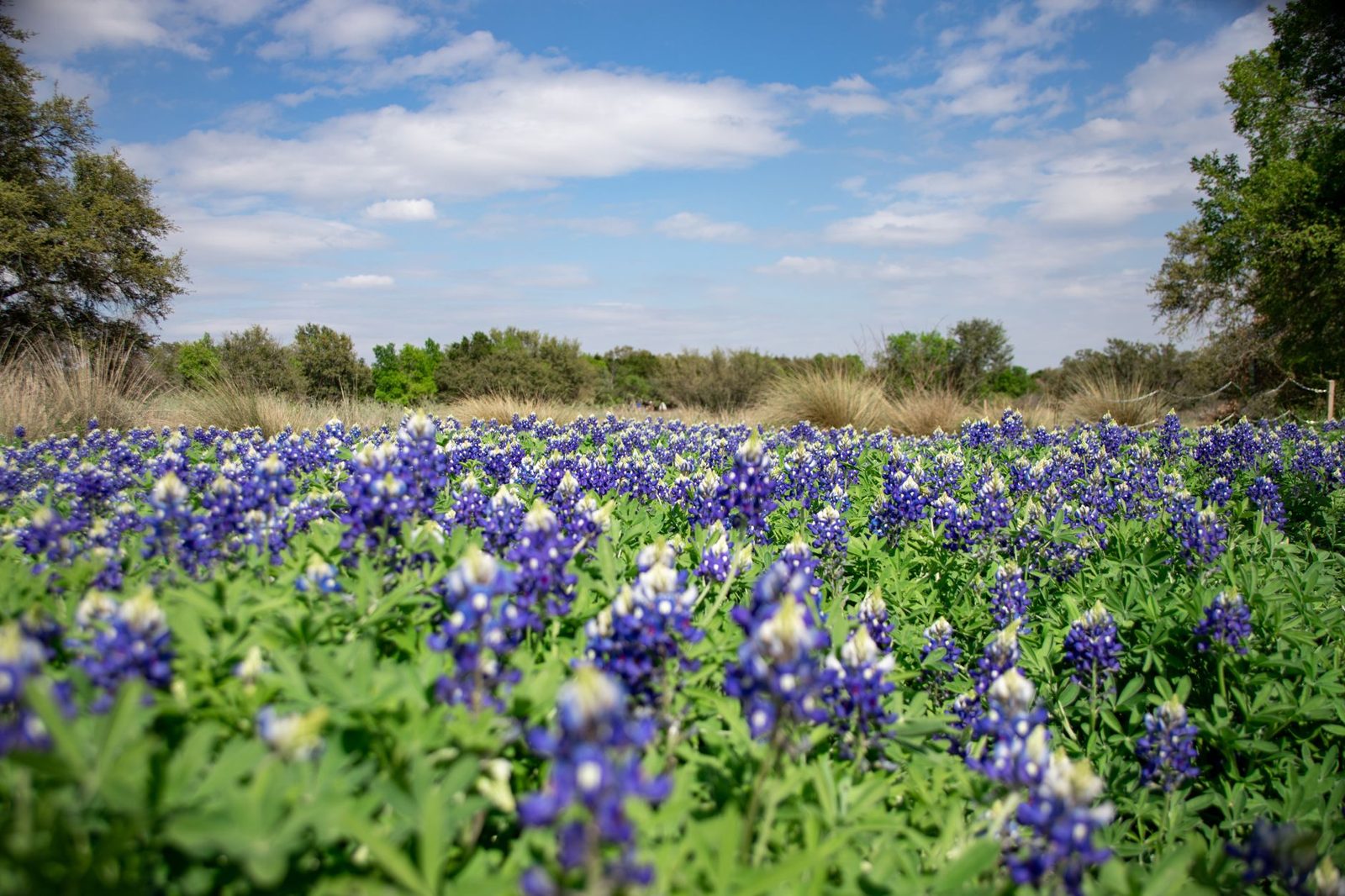
March highs climb from the 60s into the low 70s, and the whole city stretches after winter. Wildflowers start along the prairie trails, patios reopen in earnest, and the sports calendar ignites: FC Dallas’s MLS season is underway at Toyota Stadium, and college baseball tournaments have historically kicked off the season at Riders Field in late February and early March. The Holi Festival of Colors celebrations also land across March and April weekends. The catch: March is North Texas’s moodiest month — a 75-degree Saturday can follow a 40-degree, sideways-rain Friday. Pack layers and keep one indoor day in your back pocket from our things to do in Frisco list.
April — The Sweet Spot Begins
April is, for my money, the single best month to visit. Highs in the mid-70s, everything green, and the calendar stacked: Frisco Uncorked pours wine with live music at Frisco Square, RoughRiders baseball opens its April-through-early-September season at Riders Field (yes, the ballpark with a lazy river beyond the right-field wall), and every trail and golf course in town is at its best. Spring rain is the only asterisk — April and May bring the year’s biggest thunderstorms, usually fast-moving evening drama rather than washed-out days. Book hotels a few weeks ahead; youth sports tournaments quietly eat room blocks all spring.
May — Festival Peak, Humidity’s Overture
Highs push into the mid-80s and the humidity starts introducing itself, but May remains prime time. Frisco StrEATs — North Texas’s longest-running food truck festival — typically takes over the Rail District with live music, craft beer gardens, and kids’ activities. Ballpark evenings are perfect, pools open, and late May sneaks in early-summer energy without July’s punishment. May is also peak thunderstorm season; download a weather app with radar and plan around the afternoon cells like locals do.
Summer: June, July, August
June — Big Energy, Rising Heat
June highs run low-to-mid 90s — hot but manageable with a morning-outside, afternoon-inside rhythm. It’s family-trip season: school’s out, the RoughRiders play all month, and the city’s splash pads and pools run at full capacity. June 2026 added a once-in-a-generation wrinkle: the FIFA World Cup (June 11–July 19) turned the whole region into a soccer festival, with FC Dallas’s Soccer Celebration transforming Simpson Plaza. Even in ordinary years, June evenings at Toyota Stadium are a highlight — see our complete guide to sports in Frisco for the full calendar.
July — Freedom Fest and Full Furnace
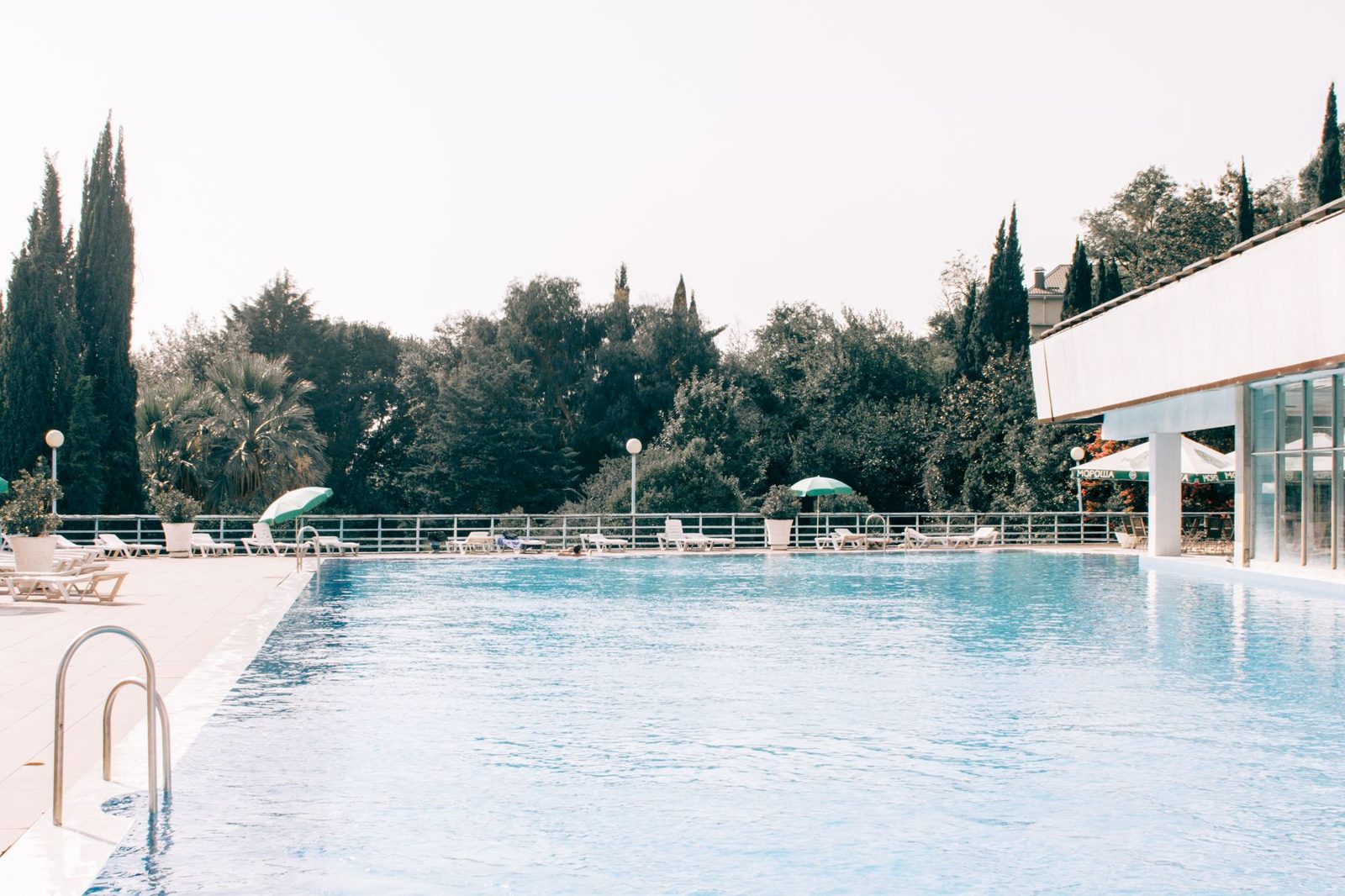
Let’s be honest: July afternoons hit the high 90s and occasionally tag 100, with humidity that makes 9 AM feel like a workout. And yet July has the city’s biggest single party — Frisco Freedom Fest on the Fourth, with its concert, party zone, and fireworks finale (our Freedom Fest guide has the details). The survival playbook: mornings on the trails before 9, long air-conditioned middles — KidZania, the museums, Stonebriar Centre — then re-emerge for ballpark nights and patio dinners after 7. Hotels with good pools stop being an amenity and become the itinerary; choose accordingly from our Frisco hotels guide.
August — The Month Locals Leave
Early-to-mid August is statistically the year’s hottest stretch, with highs regularly around 99°F and nights that barely dip below 80. I won’t pretend it’s ideal. But August has two genuine draws: Dallas Cowboys training-camp energy builds around The Star as the season approaches (tour details in our guide to The Star), and hotel rates soften once school restarts mid-month. If you come, embrace the resort-pool-and-indoor-attractions version of Frisco and treat every outdoor plan as a before-breakfast mission.
Fall: September, October, November
September — Summer’s Long Goodbye
September opens hot — highs near 90 early in the month — but the trend is your friend, and by month’s end evenings turn genuinely pleasant. The RoughRiders’ regular season wraps in early September, FC Dallas pushes toward the MLS playoffs, and NFL Sundays bring The Star district fully alive. It’s a good-value month: summer crowds gone, fall festival crowds not yet arrived, patios reopening for their second act.
October — The Other Perfect Month
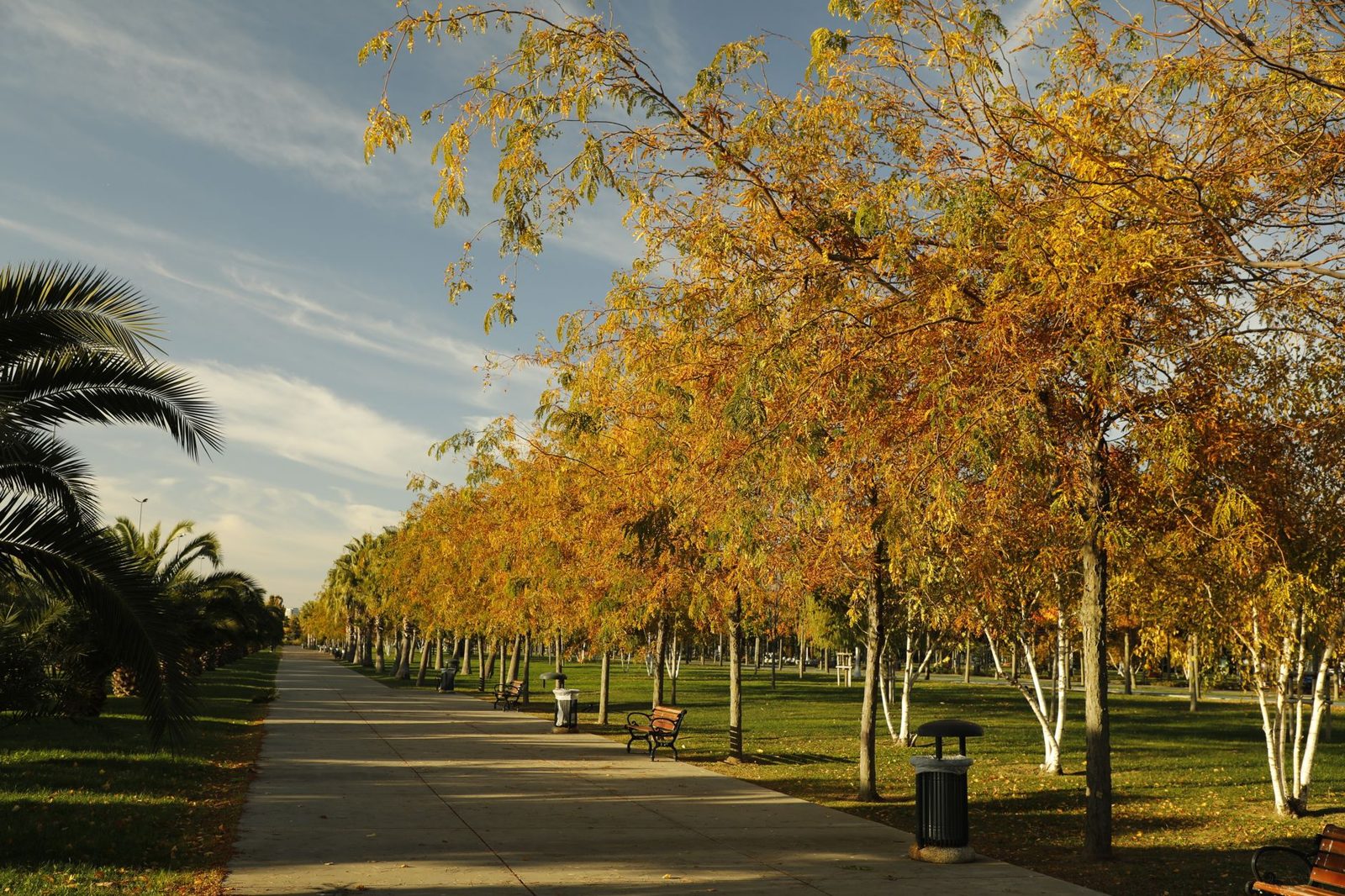
October ties April for the best all-around visiting weather: highs in the upper 70s, low humidity, reliable sun. The calendar responds — pumpkin patches and fall festivals pop up across the city (Riders Field has hosted its family-friendly Beer & Boos fest with costume contests and pumpkin decorating), golf courses hit peak condition, and every trail in our Frisco parks and outdoor guide earns its keep. October books up on weekends thanks to youth sports and events at the PGA Frisco campus; reserve rooms early. If your only goal is “nice weather, lots to do,” stop reading and book October.
November — Crisp Days, Early Lights
Highs slide from 70 to around 60 through the month, which in Texas terms is sweater-optional. The holiday machine starts early: the drive-thru Light Park at Riders Field has opened as early as November 7 in recent years, Christmas in the Square flips on the Friday before Thanksgiving, and Thanksgiving morning brings the Scheels North Texas Turkey Trot. Black Friday at Stonebriar Centre is its own contact sport — brief yourself with our Frisco shopping guide before engaging. November gives you fall weather and Christmas atmosphere in a single trip, which is why it’s my sleeper pick.
Winter: December, January, February
December — The Star of the Holidays
Frisco markets itself as “The Star of the Holidays,” and December backs it up: Christmas in the Square’s free choreographed light show runs nightly 6–10 PM, the Cowboys Christmas Extravaganza fills Friday and Saturday evenings at The Star through mid-month, and Merry Main Street lights the city tree on the first Saturday. Days typically run 45–70°F — cold snaps happen, but so do 72-degree Christmas Eves. Weekends near the 25th are the winter’s one crowded, pricey window; the week after Christmas is the local secret, with lights still on and hotels suddenly cheap. Full seasonal details live in our Frisco events and festivals guide.
January — The Bargain Month
January is Frisco at its emptiest and cheapest. Days average highs in the mid-50s, the holiday lights linger through the first weekend, and hotel rates hit their annual floor. What’s left to do? Plenty, if you lean indoors: museums, KidZania, shopping, the food scene at full attention because nobody’s fighting you for reservations at the spots in our best restaurants in Frisco guide. The one risk is the occasional ice storm, which shuts the region down for a day or two — build flexibility into January plans.
February — Quiet, With a Pulse
Still cool (highs upper 50s to low 60s), still cheap, but the city starts stirring: FC Dallas preseason ramps up, college baseball returns to Riders Field with late-February tournaments, and the first warm fronts deliver surprise 70-degree weekends. February suits travelers who want value with a bit more going on than January — and it’s a fine month for a day trip into Dallas, where the museums don’t care about the temperature.

Choosing by Traveler Type
- Families with school-age kids: June, despite the heat — everything’s open, the ballpark’s in full swing, and the city is built for it. Our Frisco family vacation guide maps the heat-proof itinerary. If school schedules allow, spring break in March beats summer on weather.
- Couples: April or October. Patio weather, wine festivals or fall festivals, golf and spa season at the resorts.
- Sports fans: September–October stacks NFL energy at The Star, MLS playoffs, and (in even years) marquee golf events. April gives you baseball’s opening stretch plus soccer.
- Budget travelers: January, early February, or late August. Pair the low hotel rates with our list of free things to do in Frisco and the trip gets shockingly cheap.
- Holiday lovers: The week after Thanksgiving through mid-December — full decorations, manageable crowds, every light show running.
The Crowd and Price Calendar
Hotel pricing in Frisco follows events more than seasons, which trips up visitors who assume summer is automatically the peak. The real pattern, from years of watching rates:
- Cheapest: January, early February, late August, and the week after Christmas. Weeknights are cheaper than weekends year-round, often dramatically.
- Middling: Most of spring and fall — unless a tournament lands on your weekend. Frisco’s identity as Sports City USA means a youth soccer or baseball event can double weekend rates in an otherwise quiet month with zero warning.
- Priciest: The two weekends before Christmas, Freedom Fest week, marquee event weekends at the PGA campus or Toyota Stadium, and any Cowboys-adjacent spectacle at The Star.
The practical move: pick your dates, then search the city’s event listings for those exact days before booking anything. Ten minutes of checking either saves you a hundred dollars a night or warns you to book five weeks earlier than planned.
Three Ready-Made Trips
The Perfect Spring Long Weekend (April)
Friday: land at DFW by noon, check in near Frisco Square, evening at a RoughRiders game with dinner at the ballpark. Saturday: morning on the trails while it’s cool, afternoon festival (Frisco Uncorked if your dates align), dressed-up dinner and cocktails at night. Sunday: brunch, a slow wander through the Rail District shops, late-afternoon flight. Total weather risk: one possible thunderstorm, worth it.
The Summer Family Week (June)
The rhythm matters more than the itinerary: outdoor mornings (trails, splash pads, pools before 11), air-conditioned afternoons (KidZania, museums, Stonebriar Centre, the National Videogame Museum crowd-pleasers), then evening re-entry for ballpark games, The Star’s plaza, and patio dinners. Two full “resort day” afternoons at the hotel pool keep everyone sane. Seven days works; five is the minimum to avoid rushing the heat-dodging schedule.
The Holiday Lights Weekend (Early December)
Friday: arrive, dinner at The Star, 6 PM Cowboys Christmas Extravaganza. Saturday: shopping and brunch by day, Christmas in the Square at night — skate first, then the light show. Sunday: Merry Main Street if your weekend hits the first Saturday (adjust accordingly), or a lazy morning and the drive-thru Light Park on the way to the airport. Pack gloves; thank yourself later.
How Far Ahead Should You Book?
For flights, DFW’s competition keeps fares reasonable with three to six weeks’ notice most of the year; Thanksgiving, Christmas, and spring break weeks want two to three months. For hotels: shoulder-season weekdays can be booked days ahead without pain, ordinary weekends want two to four weeks, and the marquee windows — mid-December weekends, Freedom Fest, major tournaments — reward booking six to eight weeks out or more. Restaurants follow the same gravity: the top dinner reservations on a December or festival Saturday disappear a week-plus in advance, while the same table on a January Tuesday is yours at 6 PM sharp with no notice.
If your dates are locked and the hotel math looks ugly, check properties one ring out — Plano and The Colony sit 10–15 minutes from most Frisco attractions and often dodge event-weekend pricing entirely.
Weather Reality Check: What the Averages Hide
Averages make Frisco sound gentler than it is, so here’s the fine print. Spring’s headline number (75 and sunny) coexists with the region’s severe-weather season — April and May thunderstorms occasionally bring hail and tornado warnings, which locals treat with respect and a weather app rather than panic. Summer heat is not dry heat; humidity in the 60-percent range makes 97°F feel meaner than Phoenix’s 105. Winter is mostly mild, but one or two Arctic blasts a year drop temperatures 40 degrees in a day, and freezing rain — not snow — is the thing that actually closes the city.
None of this should scare you off. It just means the smartest Frisco itinerary in any season keeps one flexible day, favors mornings for outdoor plans from May through September, and never schedules the single most important activity for a spring afternoon without a backup. Flights into DFW are easy to adjust around weather; see our guide to getting to Frisco for airport logistics and drive times.
A note for golfers and trail people specifically: the outdoor season here is longer than visitors assume. Courses and trails stay genuinely playable from late February through early December, with only July and August demanding dawn tee times and only a handful of winter days lost entirely. That 9-to-10-month outdoor window is one of North Texas’s quiet advantages over both the northern states and the desert Southwest — you trade a brutal midsummer for an almost year-round everything-else, and most visitors come out well ahead on that deal.

What to Pack, by Season
- Spring: Layers, a light rain shell, and sunglasses — you’ll use all three in one day. Allergy medicine if oak pollen owns you; April is brutal for it.
- Summer: The lightest clothes you own, double the sunscreen, a refillable water bottle, and one nice-casual outfit for dinners — Frisco restaurants run air-conditioned to a fault.
- Fall: Short sleeves plus one real jacket for late November. Team colors optional but socially advantageous on game days.
- Winter: A warm coat you’ll wear twice, layers for everything else. Gloves for the December light-show nights — standing still at 40°F is colder than it sounds.
Month-by-Month Quick Reference
The whole guide in one table — verdicts calibrated for a first-time leisure visitor. Averages are ballparks; Texas enjoys defying them.
| Month | Typical High | Verdict |
|---|---|---|
| January | Mid-50s°F | Cheapest month; indoor-focused, occasional ice day |
| February | Upper 50s°F | Quiet value; soccer and baseball begin stirring |
| March | Upper 60s°F | Spring wake-up; changeable weather, spring-break energy |
| April | Mid-70s°F | Best all-around month; festivals, baseball, wildflowers |
| May | Mid-80s°F | Festival peak; watch afternoon thunderstorms |
| June | Low 90s°F | Family season in full swing; manageable heat |
| July | High 90s°F | Freedom Fest and fireworks; plan around the furnace |
| August | Around 99°F | Hottest stretch; late-month hotel bargains |
| September | Around 90°F, falling | Cooling fast; football returns, good value |
| October | Upper 70s°F | Co-best month; perfect weather, packed weekends |
| November | 60s°F | Crisp days, early holiday lights, Turkey Trot |
| December | 50s–60s°F | Holiday showcase; peak crowds near Christmas |
One thing the table can’t capture: Frisco’s calendar density. Between Sports City USA tournaments, festival weekends, and stadium events, the difference between a sleepy visit and a buzzing one is often a single weekend either way. When your dates are flexible by even a week, let the events calendar — not the thermometer — cast the deciding vote.
Frequently Asked Questions
What is the best month to visit Frisco TX?
April and October are the two best months — highs in the 70s, low humidity by Texas standards, and packed event calendars (spring festivals and baseball’s opening stretch in April; fall festivals, football, and peak golf in October). May and November are close runners-up if those months fit your schedule better.
What is the cheapest time to visit Frisco?
January through early February offers the year’s lowest hotel rates, followed by late August once school resumes. Pair those months with Frisco’s free attractions — trails, The Star’s plaza, window shopping — and costs drop further. Avoid the two weekends before Christmas and major youth-sports tournament weekends, when rates spike regardless of season.
How hot does Frisco get in the summer?
July and August highs regularly reach 96–99°F, with early-to-mid August statistically the hottest stretch, and humidity around 60 percent makes it feel hotter. Nights stay warm, rarely dropping below 80 in August. Locals schedule outdoor activities before 9 AM, spend afternoons in air conditioning, and come back out after 7 PM.
Does it snow in Frisco TX?
Rarely. Winters are mild — most December-through-February days reach 45–70°F — and precipitation usually falls as rain. The bigger winter risk is an occasional ice storm, which can close roads and schools for a day or two. If you visit in winter, build one flexible day into your plans just in case.
When is Frisco most crowded?
Summer weekends (family vacation season), the two weekends before Christmas, and any weekend with a major tournament or event at The Star, Toyota Stadium, or the PGA Frisco campus. Youth sports are the hidden factor — Frisco hosts tournaments year-round that quietly fill hotels, so book ahead even in shoulder months.
Is December a good time to visit Frisco?
Yes, if holiday atmosphere is the goal — Frisco calls itself The Star of the Holidays for a reason, with the free Christmas in the Square light show nightly, the Cowboys Christmas Extravaganza at The Star, and ice skating downtown. Weather is mild (typically 45–70°F daytime), and the week after Christmas combines lingering lights with falling hotel rates.
Final Thoughts
There’s no wrong month to visit Frisco — just wrong expectations. Come in April or October for the postcard version, June or July for the full family-season buzz (with a pool), November or December for lights and crisp air, and January for the bargain. Whatever you pick, the formula holds: check the events calendar against your dates, book hotels earlier than feels necessary, and keep one flexible day for whatever Texas weather improvises. Then start filling the itinerary with our top Frisco attractions — the when is settled; the what is the fun part.