Twice a day, traffic on East Exchange Avenue stops so a herd of Texas longhorns can amble down the brick street, driven by real cowboys in worn hats and chaps. It happens in Fort Worth, it’s completely free, and it’s about a 50-minute drive from your hotel in Frisco.
A Fort Worth Stockyards day trip is one of the easiest and most rewarding escapes you can make from Frisco — roughly 45 to 55 minutes each way, no admission to get in, and a full day of cattle drives, honky-tonks, rodeos, steak, and Western history waiting when you arrive. It’s my go-to answer whenever someone asks about day trips from Frisco that feel a world away without a long drive.
I’ve made this run more times than I can count, with everyone from wide-eyed first-time visitors to my own out-of-state cousins. Below is exactly how I’d plan it: when to leave, what to see, where to eat, and the handful of things people get wrong.

Fort Worth Stockyards day trip at a glance
Before the details, here’s the shape of the day. The Stockyards District never closes, but the big free spectacle — the cattle drive — runs on a fixed schedule, so plan around it.
| Detail | What to know (2026 — verify before you go) |
|---|---|
| Drive from Frisco | About 50 minutes / roughly 45–55 miles via the tollway and I-35W |
| Cattle drive times | 11:30 a.m. and 4:00 p.m. daily, weather permitting (free) |
| Best viewing spot | In front of the Livestock Exchange Building, 131 East Exchange Avenue |
| Rodeo | Cowtown Coliseum, Friday & Saturday evenings (around 7:30–8 p.m. — check current) |
| Cost to visit | Free to walk around; pay per activity, meal, or show |
| Time needed | A full day is ideal; a solid half-day works if you time the cattle drive |
| Best for | First-time Texas visitors, families, couples, anyone who loves the Old West |
The short version: aim to arrive by late morning, catch the 11:30 cattle drive, eat a steak, shop and explore in the afternoon, watch the 4:00 drive, and — if you’re up for it — stay into the evening for live music or a rodeo. Now let’s break it down.
Getting there: the drive from Frisco
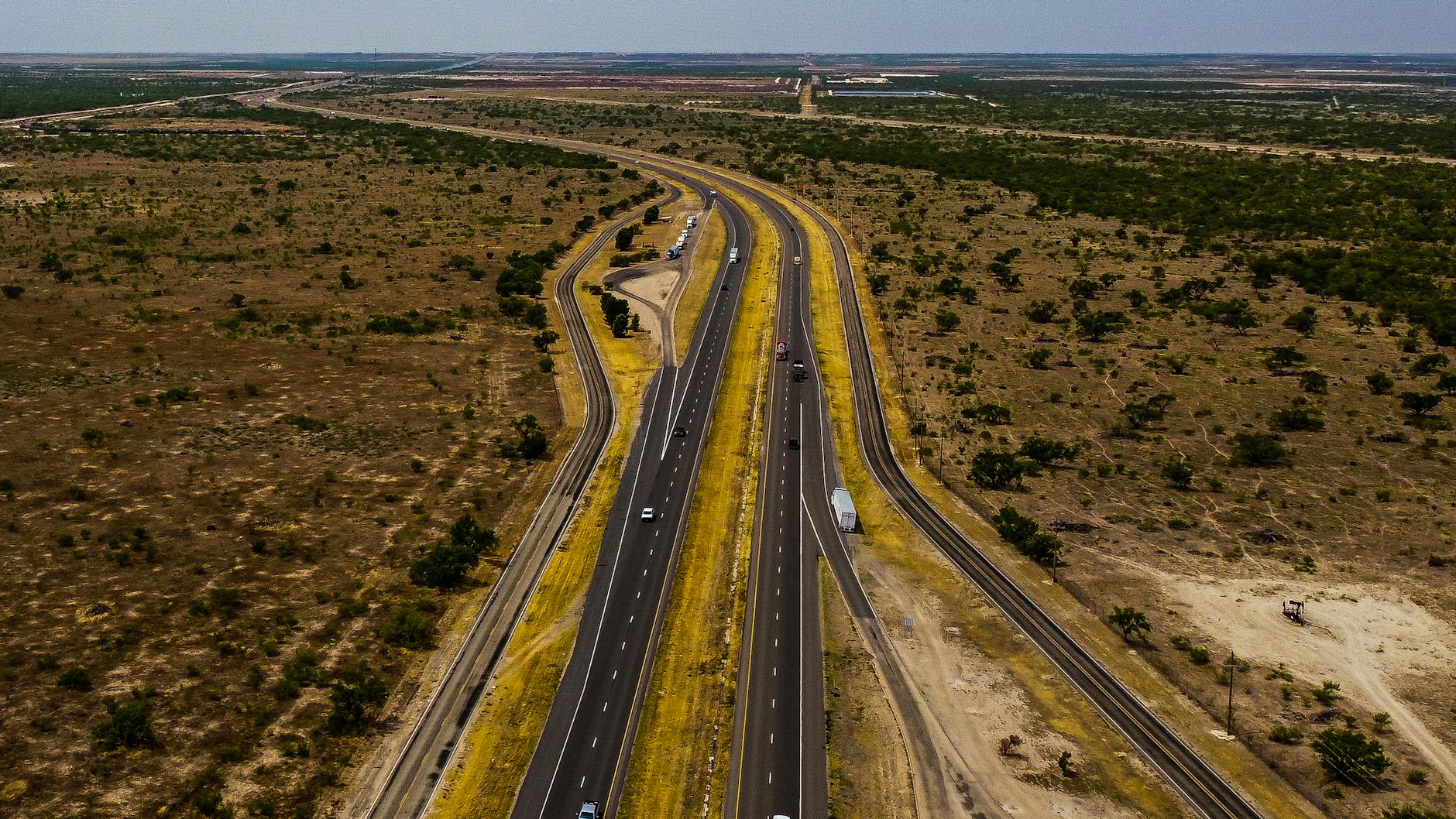
The Stockyards sit on the north side of Fort Worth, which is the far side of the Metroplex from Frisco but still an easy hop. Figure on about 50 minutes in normal traffic. Most people take the Dallas North Tollway or the Sam Rayburn Tollway over to State Highway 121, then connect to I-35W north into Fort Worth and exit near 28th Street or Northside Drive. In rush hour it can stretch past an hour, and on a bad day the DFW freeways can turn a 50-minute trip into a slog, so leave a cushion. If you want the full lay of the land on regional driving, our guide to getting to and around Frisco covers the tollways and airports.
Parking is straightforward. There are paid lots and garages right around East Exchange Avenue, plus some street parking that fills up fast on weekends. My advice: pay for a lot near the Livestock Exchange Building so you’re steps from the cattle-drive route and don’t have to move the car all day. Weekday visits are calmer and cheaper; weekends bring crowds, live music, and the rodeo, but also the parking scramble.
If you’d rather explore the other big city on your doorstep, weigh this against a day trip to Dallas from Frisco, which is shorter and more urban. Dallas is museums, skyline, and the JFK history; Fort Worth is boots, longhorns, and honky-tonks. Honestly, do both on separate days — they’re completely different moods.
The main event: the twice-daily cattle drive
This is the thing to build your whole day around, and it’s free. Every day at 11:30 a.m. and again at 4:00 p.m., weather permitting, the Fort Worth Herd — a group of Texas longhorns with horn spans that’ll make you take a step back — is driven down East Exchange Avenue by drovers in period gear. It’s billed as the world’s only twice-daily cattle drive, and it’s a genuine slice of living history rather than a staged photo op.
Stake out a spot on the sidewalk in front of the Livestock Exchange Building at 131 East Exchange Avenue about 15 minutes early, especially on weekends, because the front row fills in. The drive itself is short — a few minutes of longhorns clopping past — so have your camera ready before they come. Note it doesn’t run on Thanksgiving, Christmas, or Easter, and weather can cancel it, so it’s smart to confirm the day you go.
A little context makes the drive more fun to watch. The Fort Worth Herd is cared for by a team of real drovers who tend the longhorns year-round, and each steer carries a horn span that can stretch several feet from tip to tip. For the best photos, stand on the sidewalk with the sun at your back and shoot as the herd approaches rather than after it passes — the lead steers make the shot. And if you’re driving in and get caught at the crossing, don’t grumble; you’re watching the only twice-daily cattle drive in the world, which beats sitting at a red light back home.

Cowboy experiences: rodeo, stagecoaches, and Billy Bob’s
Once you’ve seen the herd, the Stockyards turns into a Western theme park that happens to be a real, working historic district.
Cowtown Coliseum rodeo
If your visit lands on a Friday or Saturday, cap the night with a championship rodeo at the historic Cowtown Coliseum. Shows typically start in the evening (around 7:30 to 8 p.m. — confirm the current time), with bareback riding, steer wrestling, team roping, and barrel racing. You don’t need to dress the part; come as you are and enjoy the spectacle. It’s genuinely fun for all ages, and if you love the energy of live events the way Frisco fans love the city’s sports scene, this scratches the same itch with a cowboy twist.
Beyond the weekend rodeos, the Coliseum has hosted Western events for well over a century and occasionally runs special shows, so it’s worth checking the schedule when you plan. The seats are close to the action, the announcers are pure Texas, and the between-events entertainment keeps kids locked in. Tickets are reasonable, and you can usually grab them same-day for a regular weekend rodeo, though the big special events do sell out.
Billy Bob’s Texas
Billy Bob’s Texas bills itself as the world’s largest honky-tonk, and it earns the title. Inside you’ll find live country concerts, a huge dance floor for two-stepping, a mechanical bull, an indoor arena that hosts live bull riding, bars, pool tables, and a gift shop. You can spend an entire evening here alone. Kids are allowed inside when accompanied by an adult, so it’s not strictly a nightlife-only stop. If you only have time for one indoor attraction, this is the one.
Stagecoach and carriage rides
For a slower thrill, Stockyards Stables runs stagecoach and horse-drawn carriage rides along the brick streets — you can climb aboard an 1800s-style Concordia stagecoach replica or an open-top carriage. Tickets are sold near the petting zoo on East Exchange Avenue. It’s a hokey, wonderful way to see the district, and kids love it.

Where to eat: steak, biscuits, and Texas classics
You’re in Cowtown, so the move is beef. But there’s more range here than you’d expect.
Steakhouses
Cattlemen’s Steak House is the local institution — big, juicy steaks in a quaint Western room that’s been feeding cowboys and tourists for decades. H3 Ranch is another well-known spot serving lunch and dinner with a saloon feel. Reserve ahead on weekend evenings; both fill up.
Casual bites in Mule Alley
For something lighter, The Biscuit Bar in Mule Alley builds breakfast and lunch on big, flaky, buttery biscuits — a great, cheap way to fuel up between the two cattle drives. Up and down Exchange Avenue you’ll also find Texas barbecue, Southern comfort food, and Tex-Mex, so nobody in your group goes hungry.
Here’s a candid tip: the barbecue at the Stockyards is fine, but it isn’t the region’s best. If smoked brisket is your mission, you’ll actually do better back home — see our roundup of the best BBQ in Frisco and save your Stockyards appetite for a steak instead. And if you’re planning meals for the rest of your stay, our guide to Frisco restaurants covers the range from date-night to family-friendly.
Cowtown Winery
If wine’s more your speed, the Cowtown Winery in Mule Alley pours by the glass and does tastings, with happy hour running 5 to 8 p.m. (glasses around $6) and live music on weekends. On Friday and Saturday nights they also run a 90-minute walking ghost tour through the district — a fun, slightly spooky way to learn the local history, glass in hand.

Shopping: boots, hats, and Mule Alley
The Stockyards is the place to buy Western gear you’ll actually wear. East Exchange Avenue and West Exchange Avenue are lined with shops selling boots, hats, belts, buckles, Western art, vintage records, and jewelry, and the quality ranges from tourist trinkets to serious craftsmanship.
Where to start
The General Store on the corner of West Exchange and Main is a reliable first stop for souvenirs. For a proper pair of boots, browse the big Western outfitters along Exchange — trying on boots here is half the fun even if you don’t buy. And don’t skip Stockyards Station at the east end of Exchange, a cluster of shops in the old hog and sheep pens.
Mule Alley
The crown jewel of the district’s recent revival is Mule Alley, a beautifully restored row of early-1900s mule and horse barns now filled with boutiques, restaurants, coffee, and the upscale Hotel Drover. Even if you’re not shopping, walk through it — the restoration is genuinely impressive, and it’s the most photogenic corner of the Stockyards. If shopping is a highlight of your trip generally, you’ll want to pair this with the malls and boutiques on your list of things to do in Frisco too.
History and Western culture
Beneath the boots-and-beer fun, the Stockyards is a legit National Historic District. It grew up in the late 1800s as a hub for the great cattle drives, when Fort Worth earned its “Cowtown” nickname as the last major stop before the trail north. The weathered brick streets, wooden corrals, and the Livestock Exchange Building all tell that story.
Museums and exhibits
Duck into the Texas Cowboy Hall of Fame to see Western sports legends and a collection of wagons and carriages, or take in the “John Wayne: An American Experience,” an exhibit dedicated to the Duke’s life and career. These are quick, interesting stops that add real context to the fun outside. If Western and regional history is your thing, it pairs nicely with the history and museums back in Frisco, which tell the North Texas railroad-and-farming side of the same era.

Traveling with kids
The Stockyards is surprisingly kid-friendly for a place known for saloons. The cattle drives are a guaranteed hit, the petting zoo and pony rides on Exchange keep little ones busy, and the Cowtown Cattlepen Maze — a 5,400-square-foot wooden labyrinth built to look like a cattle pen — is a genuine kid magnet that takes about 15 minutes to solve while parents watch from an observation deck. Add a stagecoach ride and you’ve got a full day that works for a range of ages. It slots right into a broader Frisco family vacation as the “cowboy day” everyone remembers.
Nightlife: honky-tonks and saloons
If you can swing staying past dinner, the Stockyards after dark is a different animal. Most bars stay open until around 2 a.m. on weekends, and you can legally stroll Exchange Avenue with a beer bought from a licensed venue. The White Elephant Saloon is one of the oldest and most famous watering holes in the district, and the oddly named Booger Red’s is worth a look too. Live music spills out of doorways, and between Billy Bob’s and the smaller saloons you could easily bar-hop the night away. Just know it gets rowdy on weekend nights — if that’s not your scene, do the district by day and head back to Frisco before the crowds peak.
Planning your day: timing, tips, and what to skip
The ideal timeline
Leave Frisco by 10:00 a.m., arrive around 11:00, park near the Livestock Exchange Building, and catch the 11:30 cattle drive. Grab a steak lunch, then spend the early afternoon shopping Mule Alley and Exchange Avenue, touring a museum, or riding a stagecoach. Watch the 4:00 drive, have an early dinner, and either head home or stay for live music or a Friday/Saturday rodeo. That’s a relaxed, full day without feeling rushed.
Best time to go
Spring and fall are ideal — the weather’s comfortable for all the outdoor walking. Summer visits are fine but hot, so hydrate and duck into air-conditioned shops and Billy Bob’s during the midday peak. Weekdays are calmer and better for families; weekends bring the rodeo and the biggest nightlife but also the crowds and pricier parking.
What to skip
Don’t over-plan. The Stockyards rewards wandering, so pick two or three anchor activities (a cattle drive, a steak, one museum or the rodeo) and leave the rest loose. Skip the barbecue if you’re a purist, don’t bother trying to see every shop, and don’t drive off right after the 11:30 drive — the district has a completely different, mellower feel in the late afternoon that most day-trippers miss. Build this into your bigger Frisco vacation plan as a full day, not a squeezed-in half.

Making it a weekend: where to stay
A day trip is plenty for most people, but the Stockyards is a genuinely fun place to spend the night if you want to catch a rodeo and still enjoy a slow morning without an evening drive home. The Stockyards Hotel, right on East Exchange Avenue, has welcomed guests with Western-themed rooms and Texas hospitality for more than a century — you walk out the front door straight into the action. For something newer and more upscale, Hotel Drover in Mule Alley is a Marriott Autograph Collection property with fire pits, outdoor walking paths, and a genuinely lovely courtyard along the old rail spur. And if you like a little history with your pillow, Miss Molly’s Hotel on West Exchange is a quirky antiques-filled bed-and-breakfast that, if the ghost-tour guides are to be believed, comes with a resident spirit or two.
That said, plenty of visitors prefer to keep their home base in Frisco and just make the round trip. Frisco’s hotels are newer, quieter, and closer to the stadiums and shopping, and it’s an easy drive back after dinner. Weigh where you’d rather wake up — cowboy-town buzz or suburban calm — and build the rest of your itinerary around that choice.
A few underrated stops
Most day-trippers hit the same handful of things and miss some of the district’s quieter pleasures. The Livestock Exchange Building — once nicknamed the “Wall Street of the West” for the millions of cattle traded here — houses the small Stockyards Museum, a charming old-school collection of local artifacts that’s worth 20 minutes and a few dollars. Rail fans should check whether the Grapevine Vintage Railroad’s restored excursion trains are running to the Stockyards depot during their visit, because arriving by vintage train is a treat in itself. And photographers should wander over to West Exchange Avenue, which the crowds tend to overlook — the late-afternoon light on the old brick and the wooden corrals is the best in the district. These small detours are what separate a good visit from a great one, the same way the quieter things to do in Frisco often beat the headline attractions.
Frequently asked questions
How far is the Fort Worth Stockyards from Frisco?
It’s roughly 45 to 55 miles, or about a 50-minute drive in normal traffic, from Frisco to the Stockyards on the north side of Fort Worth. Most routes use the Dallas North Tollway or Sam Rayburn Tollway to Highway 121, then I-35W north. Give yourself extra time during rush hour, when Metroplex traffic can push it past an hour.
How long do you need at the Fort Worth Stockyards?
Plan on a full day to do it justice — there are cattle drives, saloons, shops, restaurants, and museums spread along the brick streets. If you’re tight on time, a well-timed half-day still works: arrive before the 11:30 a.m. cattle drive, eat a steak, shop and explore for a couple of hours, and you’ll have hit the highlights.
What time is the cattle drive?
The Fort Worth Herd is driven down East Exchange Avenue every day at 11:30 a.m. and 4:00 p.m., weather permitting. The best viewing spot is in front of the Livestock Exchange Building at 131 East Exchange Avenue. It’s free, and it doesn’t run on Thanksgiving, Christmas, or Easter, so confirm before you go.
What is the Fort Worth Stockyards famous for?
The Stockyards is famous for its Western heritage: the twice-daily longhorn cattle drives, Billy Bob’s Texas (the world’s largest honky-tonk), the Cowtown Coliseum rodeo, historic saloons, and blocks of authentic Western shops and steakhouses. It preserves the era when Fort Worth was a major stop on the great cattle-drive trails, earning the nickname “Cowtown.”
Is it free to visit the Fort Worth Stockyards?
Yes — walking around the district and watching the cattle drives is completely free. You only pay for the things you choose to do: meals, drinks, rodeo or concert tickets, museum admission, stagecoach rides, and the maze. That makes it an easy budget-friendly day trip; you can have a great time spending very little.
Can you do the Stockyards and Dallas in one day?
You can, but I wouldn’t. They sit on opposite sides of the Metroplex and each deserves its own day. If you’re basing yourself in Frisco, treat the Stockyards as your Fort Worth day and plan a separate Dallas day for museums, the skyline, and the JFK sites. You’ll enjoy both far more without the cross-town rush.
When is the best time of year to visit?
Spring and fall are the sweet spot, with comfortable weather for all the outdoor walking and the cattle drives. Summer is hot but very doable if you duck into air-conditioned shops and Billy Bob’s during the midday peak. Weekends bring the rodeo and the liveliest nightlife; weekdays are calmer, cheaper to park, and better for families with young kids.
Final thoughts
Of all the day trips you can take from Frisco, the Fort Worth Stockyards is the one that most reliably makes visitors say “now that felt like Texas.” It’s close, it’s cheap to get into, and it delivers the whole cowboy fantasy — longhorns in the street, a steak the size of your plate, boots you’ll actually wear, and a honky-tonk band playing past midnight. Leave in the morning, time your day around the cattle drives, and don’t rush home. Cowtown is best enjoyed slow.