The thing nobody tells you about Frisco is that you will need a jacket in July. Not outside — inside, where the air conditioning is set to something close to a meat locker.
Frisco TX weather is humid subtropical: summers with average highs around 91 to 96°F from June through August, mild winters averaging highs in the mid-50s, and a wet, stormy spring. Pack breathable fabrics and sun protection for summer, layers plus a rain shell for spring and fall, and a real coat for two or three days of winter. That is the whole packing problem in one paragraph.
This guide is about what the weather physically does to you and what belongs in your suitcase because of it. If you are still deciding which month to visit, that is a separate question with its own answer. This one assumes your dates are booked and your bag is open on the bed. For everything else about sequencing a trip, start with our Frisco TX vacation planning guide.
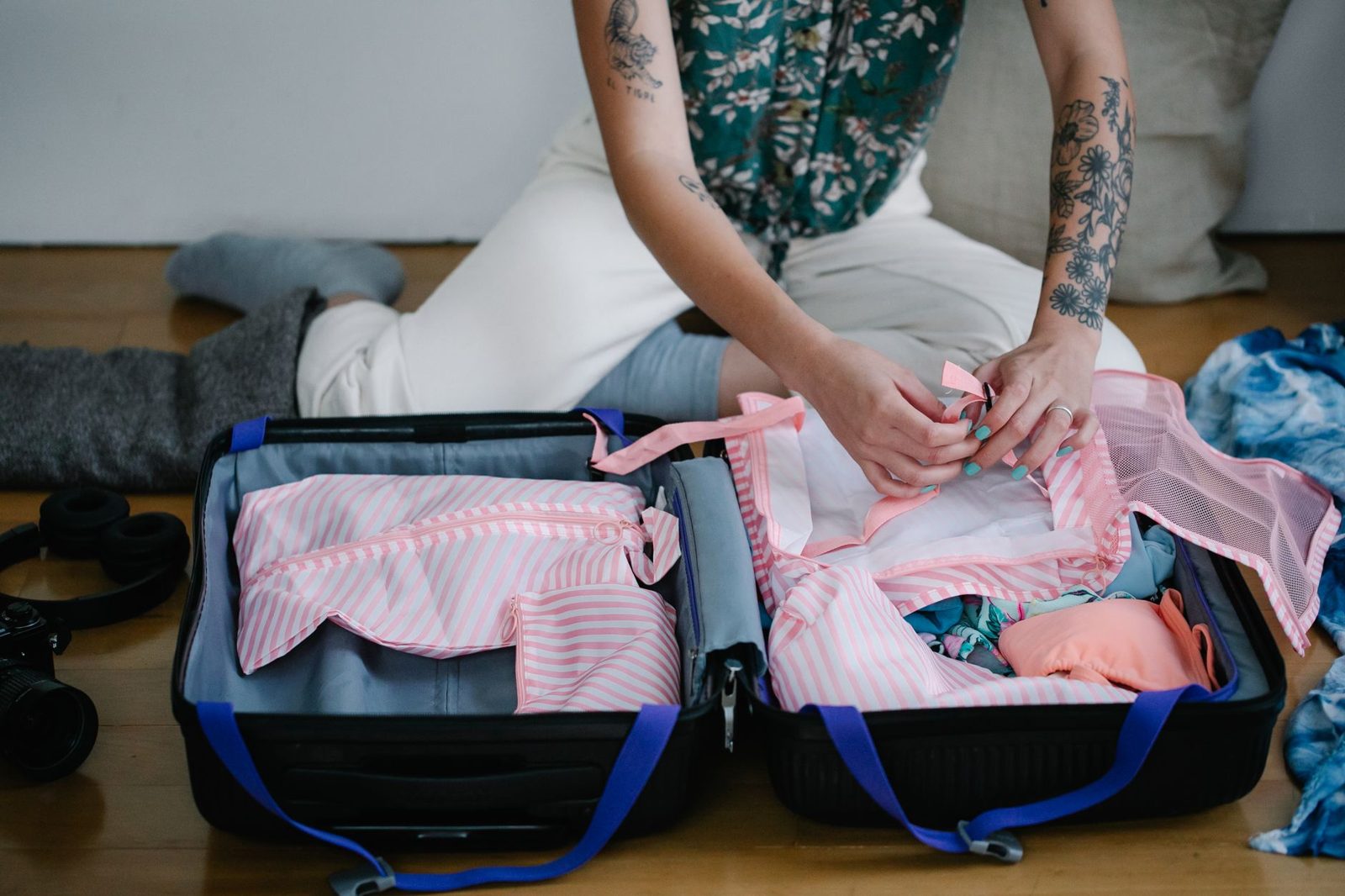
Frisco weather month by month, with what to pack
Figures below are approximate long-term averages for Frisco and the wider Dallas–Fort Worth area. Any given week can and will ignore them.
| Month | Avg high | Avg low | Rain | The one thing to pack |
|---|---|---|---|---|
| January | ~54°F | ~39°F | ~1.7″ | A proper coat and gloves |
| February | Upper 50s | Low 40s | ~1.6″ (driest) | Waterproof shoes for ice days |
| March | ~67°F | ~50°F | ~2.9″ | A windproof layer — it is the windiest month |
| April | Mid-70s | Upper 50s | ~3.3″ | Allergy medication and a rain shell |
| May | ~82°F | ~64°F | ~3.6″ (wettest days) | An umbrella you can actually carry |
| June | ~91°F | ~74°F | ~2.9″ | A wide-brimmed hat |
| July | ~95°F | ~77°F | ~2.0″ (driest heat) | An insulated water bottle |
| August | ~96°F | ~77°F | ~2.2″ | Two pairs of shorts, minimum. You will sweat through one. |
| September | ~88°F | ~70°F | ~2.5″ | Still summer clothes. Do not be fooled. |
| October | Upper 70s | Upper 50s | ~3.8″ (wettest) | A light jacket for evenings |
| November | ~64°F | ~48°F | ~2.5″ | A sweater and one warm layer over it |
| December | Mid-50s | Low 40s | ~2.5″ | Gloves for outdoor light displays |
Across a full year Frisco gets roughly 29 to 30 inches of rain spread over about 135 days. That is not a lot of rain, but it arrives in concentrated bursts rather than English drizzle. When it rains here, it commits.
What Frisco TX weather actually does
The temperature swing is bigger than the averages suggest
The annual spread runs from average lows around 38°F in January to average highs around 96°F in August. That is a 58-degree gap between the coldest normal morning and the hottest normal afternoon — and those are the averages. Individual days go well past 100°F in summer and drop into the 20s during a winter cold snap.
More useful for packing: the daily swing. A March morning can start at 45°F and reach 72°F by three in the afternoon. You cannot dress for both ends of that with one garment. This is why layering is not optional advice for Frisco in spring and fall — it is the only workable strategy.
Humidity is the variable that wrecks packing decisions
Relative humidity here peaks around 72% in May and bottoms out near 55% in August. Read that again, because it is counterintuitive: the hottest month is the least humid month.
What it means in practice is that May’s 82°F feels heavier and stickier than the number suggests, while August’s 96°F is a drier, more direct kind of hot. Neither is comfortable. But May is the month where cotton stays damp on your back all day, and August is the month where you dehydrate without noticing.
Humidity in the 60 to 70% range also means clothes do not dry overnight. If you are packing light and planning to rinse a shirt in the sink, add a day to your mental drying time from April through June.
Rain arrives in bursts, and October is the wettest month
October leads on total rainfall at roughly 3.8 inches, with May close behind at around 3.6 inches. But May has the most rain days — close to 15 of them — while January has the fewest at around seven.
The pattern matters more than the totals. North Texas rain tends to come as a fast-moving storm cell that dumps for forty minutes and then clears to blue sky. You rarely lose a whole day. What you lose is a specific afternoon, usually with about an hour of warning if you have a radar app open.
Sun, UV and daylight
The UV index runs at 7 from May through August and drops to about 3 in December. August has the most sunshine of any month at roughly 11 hours a day and the least cloud cover of the year at around 19%. March is the cloudiest at about 40%.
Daylight stretches to about 14 hours 18 minutes in June and shrinks to almost exactly 10 hours in December. That December figure catches out visitors planning outdoor activities — it is properly dark by 5:30pm, which reshapes an entire day.
Wind and snow
March and April are the windiest months at around 10 mph average, September the calmest at under 7 mph. The spring wind is worth planning for: it strips warmth out of a 65°F afternoon and it will take a cheap umbrella apart in seconds.
Snow is close to a non-event. Frisco averages roughly two and a half snow days a year totalling around an inch, mostly in February, and none at all from April through October. Do not pack snow boots. Do pack shoes with grip, because the actual winter hazard is ice, not snow.
Spring: March to May
Average highs climb from about 67°F in March to 82°F in May, with lows moving from around 50°F to the mid-60s. Rain rises across the season and humidity peaks in May. Sunshine averages roughly seven hours a day in March and eight and a half by May.
This is the most beautiful and the most volatile weather Frisco gets.
Severe weather season, without the drama
March through June is North Texas severe weather season, and April and May are the sharp end of it. This region has recorded more tornadoes in those two months than any other part of the calendar, and DFW hail season runs roughly March to June with the worst of it concentrated in April and May.
The mechanics are simple: warm wet air comes north off the Gulf, cold dry air comes down from the Rockies and the plains, and they collide over Texas. That collision builds supercells.
What this means for you as a visitor is far less dramatic than it sounds. Locals do not cancel spring plans. They install a radar app, keep an ear on the outdoor warning sirens, and know which floor of the hotel to go to. Do the same three things:
- Install a weather app with radar and warning alerts before you fly in, and turn notifications on. This is the single highest-value thing on the list.
- Understand watch versus warning. A watch means conditions could produce a storm. A warning means one is happening near you and you should move to an interior room on the lowest floor, away from windows.
- If you rent a car in April or May, ask about covered parking. Hail is the thing that most commonly ruins a North Texas spring trip, and it ruins it financially rather than physically.
None of this should put you off spring. April is genuinely lovely. It just rewards a bit of preparation that summer does not require.
The other spring problem: pollen
Tree pollen season in North Texas peaks in spring, and oak in particular can be rough through April. If you have any history of seasonal allergies, bring your usual medication rather than assuming you will find your brand in a pharmacy here. Eye drops too. A spring trip spent squinting through watery eyes is a wasted spring trip.
What to pack for spring
- Layers, three deep. T-shirt, light long sleeve or flannel, packable jacket. You will use all three in a single day in March.
- A proper rain shell, not a fashion trench. Hooded, packable, wind-resistant. The wind is the reason — March and April average around 10 mph and gusts far exceed that.
- A compact umbrella you do not love, because spring wind kills umbrellas.
- Closed shoes that handle wet grass. Frisco’s parks drain slowly after a burst of rain.
- Sunglasses. Spring sun between the storm cells is bright and low.
- Allergy medication and eye drops.
What to skip: a heavy winter coat, thermal layers, anything waterproof beyond a shell. Spring rain here is warm rain.
Summer: June to August
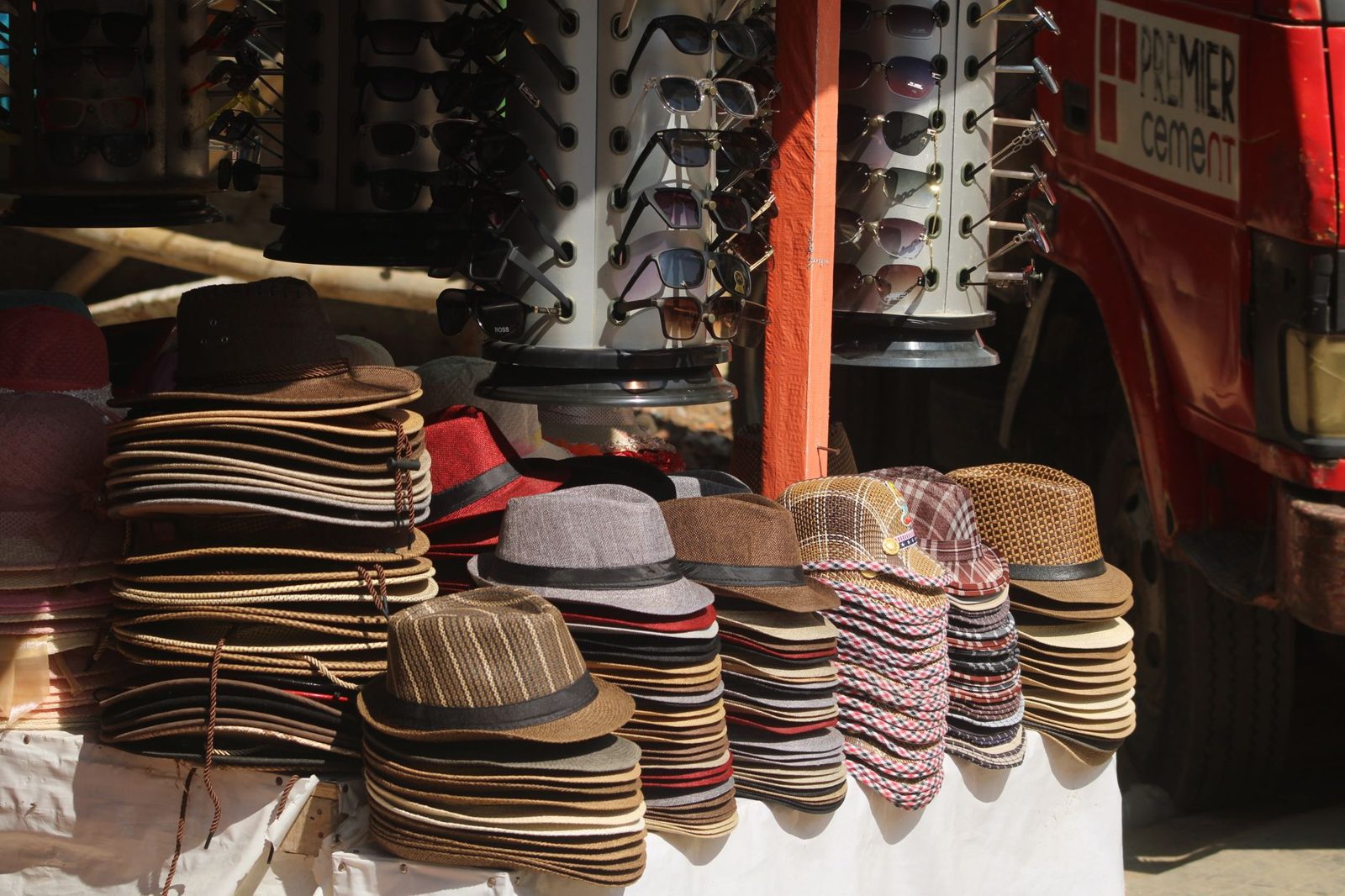
Average highs run about 91°F in June, 95°F in July and 96°F in August, with overnight lows sitting near 77°F in July and August. That last number is the one that matters most and gets the least attention.
Why the overnight low is the important number
When the low is 77°F, the environment never resets. Concrete, asphalt and car interiors hold heat through the night and start the next day already warm. There is no cool morning to recover in — just a slightly less hot one. It is why a week of Texas summer wears people down in a way that a single hot day elsewhere does not.
Practical consequence: your outdoor window is roughly 6am to 9am, and after about 8pm. Everything in between belongs to air conditioning. Plan the day around that and summer in Frisco is completely manageable. Fight it and you will be miserable by day two.
What to pack for summer
- Light colors, loose cuts, breathable fabrics. Cotton, linen, and technical moisture-wicking synthetics. Dark colors absorb heat and show sweat.
- More changes of clothes than you think. You will want a fresh shirt for the evening. Every day.
- A wide-brimmed hat, not a baseball cap. Caps leave your ears and neck exposed and the UV index is at 7.
- Broad-spectrum SPF 30 or higher, and actually reapply it.
- UV-blocking sunglasses.
- An insulated water bottle, 32oz or bigger. A plain plastic bottle turns to soup in twenty minutes outside.
- A cooling towel or neck gaiter. Cheap, packs to nothing, works far better than it has any right to.
- Insect repellent for evenings outdoors. Mosquitoes come out after rain and at dusk.
- Swimwear. Non-negotiable — the hotel pool is a functional part of a summer itinerary, not a luxury. Pick accordingly from our guide to hotels in Frisco TX.
- One light long-sleeve layer. See below.
The air conditioning problem
Texas takes air conditioning seriously and Frisco is a city of big modern buildings. Restaurants, malls, museums and stadium concourses are frequently cooled to the low 70s or below, which feels arctic when you have walked in from 96°F.
Bring a light cardigan, overshirt or packable jacket and carry it. Every day. This is the single most-forgotten item on a Texas summer packing list and the one you will be most grateful for over a long dinner or an afternoon at Stonebriar Centre. Parents: pack one for the kids too, especially for indoor attractions like KidZania Frisco where they will be running around under full air conditioning for hours.
Heat safety, briefly and seriously
July and August heat in North Texas is a genuine health risk, not just discomfort. If you are visiting from a cooler climate you are not acclimated, and that matters more than fitness.
- Drink before you are thirsty. Roughly a liter per person per hour of outdoor activity in peak heat, with something containing electrolytes if you are out for long.
- Never leave anyone, or a pet, in a parked car. Interior temperatures climb dangerously within minutes.
- Know the warning signs. Heat exhaustion looks like heavy sweating, weakness, nausea and cold clammy skin. Heat stroke — hot dry skin, confusion, no sweating — is a medical emergency. Get inside and call for help.
- Watch children and anyone over 65 closely. Both overheat faster and notice it later.
- Treat 4th of July events as an evening activity. Frisco’s big outdoor party is a night event for exactly this reason — see our Frisco Freedom Fest guide.
One more thing: parking lots. Frisco is a driving city, and crossing a large asphalt lot at 2pm in August is meaningfully hotter than standing on grass. Park in structures where you can, and check your car’s steering wheel temperature before you grab it.
Fall: September to November
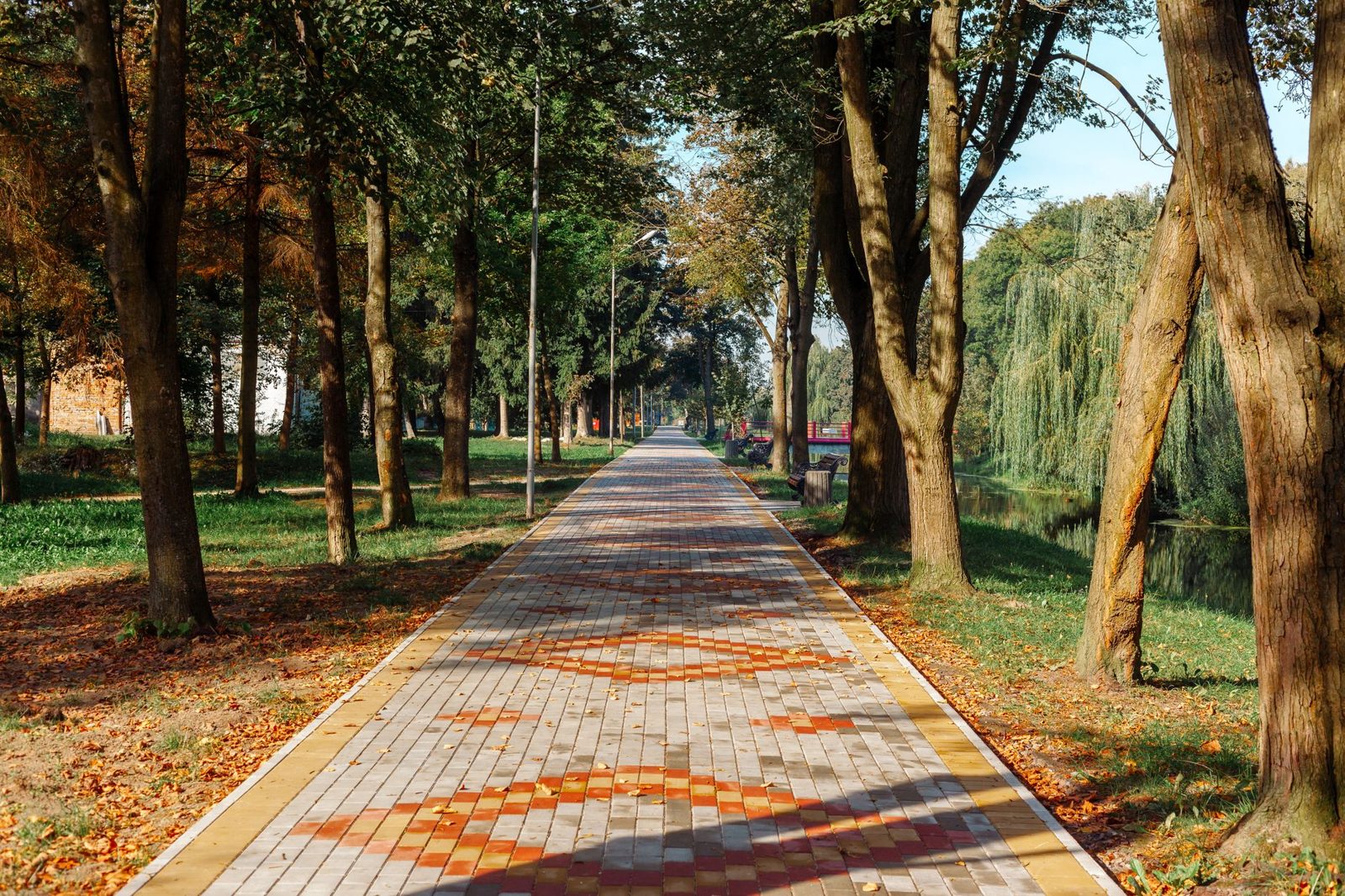
Highs fall from around 88°F in September to about 64°F in November, with lows sliding from 70°F to 48°F. October is the wettest month of the year at roughly 3.8 inches, but it is also reliably pleasant between the fronts. September is the calmest month for wind.
The September trap
Half the people who book September assume it is fall. It is not. Early September in Frisco is summer with a different name — highs near 90°F, humidity still up, sun still fierce. Pack for summer if you are arriving in the first two weeks and treat any cooling as a bonus.
By the last week of September the evenings genuinely change, and October is the most comfortable month of the year for anything outdoors. That is when the best hiking trails in Frisco and every green space in our guide to parks in Frisco TX are worth a full day rather than a dawn raid.
What to pack for fall
- September: summer wardrobe, unchanged. Shorts, hat, water bottle, sunscreen.
- October: short sleeves for daytime, one light jacket or hoodie for evenings, and a rain layer because of the rainfall total.
- November: long sleeves as your base, a sweater, and one warmer jacket over the top. Mornings can start near 40°F and afternoons reach the mid-60s.
- Throughout: comfortable walking shoes. Fall is when you actually walk in Frisco.
Fall is also golf weather, and courses here hold condition well into December. If a round is on the itinerary, bring a light windbreaker and a change of shirt rather than a heavy jacket — see our guide to golf in Frisco TX for what the courses expect.
Winter: December to February

January is the coldest month with average highs around 54°F and average lows near 38.5°F. February is the driest month of the year at roughly 1.6 inches of rain and also the month most likely to see the little snow Frisco gets. December has the least sunshine at under six hours a day and the shortest daylight at ten hours flat.
Mild most days, brutal on a few
Most Frisco winter days are perfectly walkable in a sweater and a jacket. Then, once or twice a season, an Arctic front drops the temperature 30 or 40 degrees inside a day and the whole region briefly stops functioning.
The hazard is not snow. It is freezing rain and ice, which glazes roads and bridges and closes schools and highways for a day or two at a time. Texas infrastructure is not built for it and neither are Texas drivers. If you are here in January or February, keep one flexible day and check flight status early — our guide to getting to Frisco covers the DFW logistics if plans shift.
What to pack for winter
- One genuinely warm coat. You may wear it twice. Bring it anyway — a 28°F morning with wind is not a sweater situation.
- Layers underneath, so you can strip down on the 68°F day that inevitably shows up in the middle of your trip.
- Gloves and a hat. Specifically for outdoor evening events — standing still watching a light display at 40°F is colder than walking around at 35°F.
- Shoes with real grip. Not for snow. For the two mornings when everything is glazed.
- A scarf, which does more work per gram than anything else in a suitcase.
- Lip balm and moisturizer. Winter here is dry and windy and it shows on your face by day three.
Packing for an indoor-heavy winter trip
A December or January visit to Frisco is largely an indoor trip, and that changes the packing calculus in ways people miss.
You will be moving between a heated car, a heated building and ten minutes of cold. That means you want removable layers, not one thick coat — a coat you cannot take off becomes something you carry around a museum for two hours. A packable puffer that stuffs into its own pocket solves this better than wool.
Frisco’s better restaurants lean smart-casual rather than formal, so one presentable outfit covers the whole trip — check our best restaurants in Frisco TX for the places worth dressing for. And bring a tote or daypack, because you will be carrying shed layers all day.
Two winter-specific extras. Bring a portable phone battery: cold drains phones fast and you will be using yours for photos at every light display in our holiday events roundup. And bring something for a genuinely indoor afternoon — the National Videogame Museum and similar spots are how a cold, wet day gets rescued.
Fabrics, shoes and the mistakes people make
Fabrics that work here
Linen is the best hot-weather fabric there is. Lightweight cotton is fine in dry heat but stays wet in May humidity. Technical synthetics — the moisture-wicking shirts sold for running — are the most practical option for July and August, and unglamorous enough that nobody notices.
Merino wool is the underrated winter and shoulder-season pick. It regulates across a wide temperature range, which is exactly the problem a Frisco spring presents.
Avoid heavy denim from May through September. It is the default American travel trouser and it is the wrong call in 96°F. Avoid black and dark navy for daytime outdoor wear in summer for the same reason.
Footwear
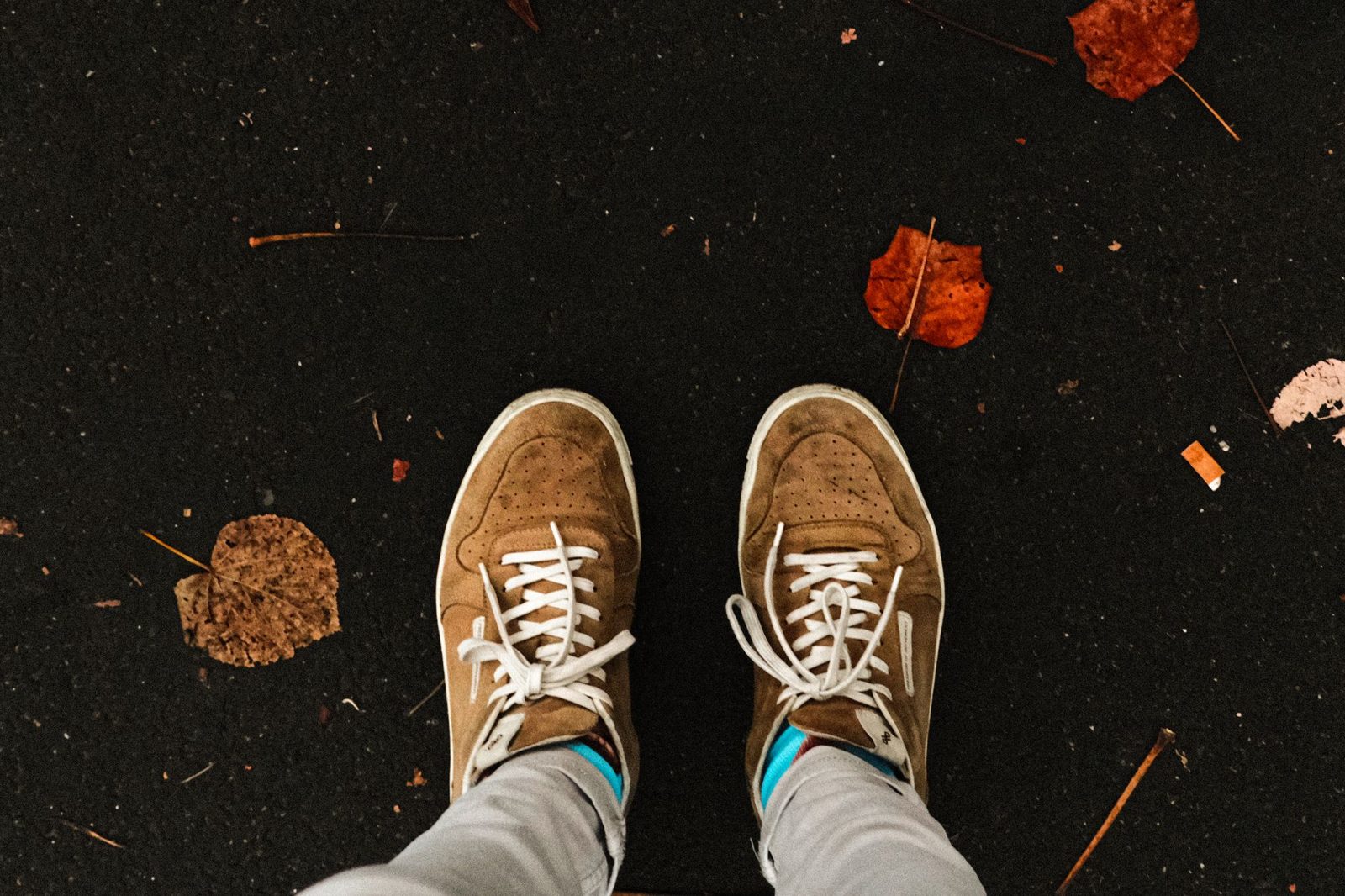
Frisco is spread out and car-dependent, but you still walk more than you expect — across enormous parking lots, around stadium concourses, through malls, along trails. Bring shoes you have already broken in.
- Summer: breathable sneakers plus supportive sandals. Skip flip-flops for anything involving distance.
- Spring and fall: one pair of comfortable walking shoes that cope with wet grass.
- Winter: the same shoes with better grip. Waterproof helps on ice days.
- Always: one pair that looks decent with a dinner outfit.
Blisters ruin trips more often than weather does. Two pairs, alternated daily, dramatically reduces the odds.
What to leave at home
- Snow boots and heavy thermals. Even in January.
- A full-length waterproof coat. A packable shell is enough.
- Formal wear. Frisco is a smart-casual city, including at its best restaurants.
- An expensive umbrella. The spring wind will destroy it.
Four packing checklists you can copy
Spring (March–May)
Three-layer system: T-shirts, one long-sleeve mid layer, one packable hooded rain shell. Two pairs of pants, one pair of shorts for a warm day. Closed walking shoes. Sunglasses. Small umbrella. Allergy medication and eye drops. Weather app installed with alerts on. One presentable dinner outfit.
Summer (June–August)
Light-colored breathable tops, one per day plus spares. Shorts and one pair of light pants. Swimwear. Wide-brimmed hat. SPF 30+. UV sunglasses. Insulated 32oz water bottle. Cooling towel. Insect repellent. Breathable sneakers and sandals. One light layer for indoor air conditioning — the item most people forget.
Fall (September–November)
September: pack the summer list. October and November: short and long sleeves, one sweater, one light jacket, packable rain layer. Comfortable walking shoes. Sunglasses. This is the easiest season to pack for and the best one for anything outdoors on our list of things to do in Frisco TX.
Winter (December–February)
Base layers, sweaters, one packable puffer or warm coat. Gloves, hat, scarf. Grippy waterproof-ish shoes. Lip balm and moisturizer. Portable phone battery. One dinner outfit. A daypack for carrying shed layers indoors. Assume mild, prepare for one cold snap.
Packing for kids in any season
Double the changes of clothes in summer — children sweat through everything and splash pads exist. Add a light layer for indoor air conditioning year-round, sun hats rather than caps, and shoes that survive both a playground and a mall floor. Our Frisco TX family vacation guide covers the rest of the logistics.
Frequently asked questions
What should I wear in Frisco, Texas in summer?
Loose, light-colored, breathable clothing — linen, lightweight cotton or moisture-wicking synthetics — with shorts and breathable sneakers. Add a wide-brimmed hat, UV sunglasses and SPF 30 or higher. Then carry a light cardigan or overshirt for indoor air conditioning, which is often set to the low 70s and feels genuinely cold after 96°F outside.
How humid is Frisco TX?
Relative humidity averages around 72% in May, its peak, and drops to about 55% in August, its lowest. Counterintuitively, the hottest month is the driest. Spring humidity combined with 80°F feels sticky and slows how quickly clothes dry, while August heat is more direct and dehydrating. Both call for breathable fabrics.
Does it snow in Frisco, Texas?
Barely. Frisco averages roughly two and a half snow days a year totalling about an inch, mostly in February, and never sees snow between April and October. The real winter hazard is freezing rain and ice, which can close roads for a day or two. Pack shoes with grip rather than snow boots.
When is storm season in Frisco TX?
March through June, with April and May the most active for both tornadoes and hail across North Texas. Storms typically move through fast rather than settling in for the day. Install a radar app with warning alerts, learn the difference between a watch and a warning, and ask about covered parking if you rent a car in spring.
Do I need a jacket in Frisco in July?
Outdoors, no. Indoors, yes. Restaurants, malls, museums and stadium concourses run heavy air conditioning, and moving from 96°F to a 70°F dining room is a shock. A light cardigan, overshirt or packable jacket that lives in your bag is the correct answer. Actual outerwear is never needed in a Frisco July.
Final thoughts
Pack for two temperatures, not one. That is the whole trick to Frisco TX weather, and it applies in every month of the year — outside versus inside in summer, morning versus afternoon in spring and fall, mild versus cold snap in winter.
Get the three basics right and the rest sorts itself out: breathable fabrics you can layer, shoes you have already broken in, and one item that solves the season’s specific problem — a hat in July, a rain shell in April, gloves in December. Everything else you can buy at Stonebriar in twenty minutes if you get it wrong.
And download the radar app. Whatever month you are coming, download the radar app.
6 comments